Nostalgia II - Manchester

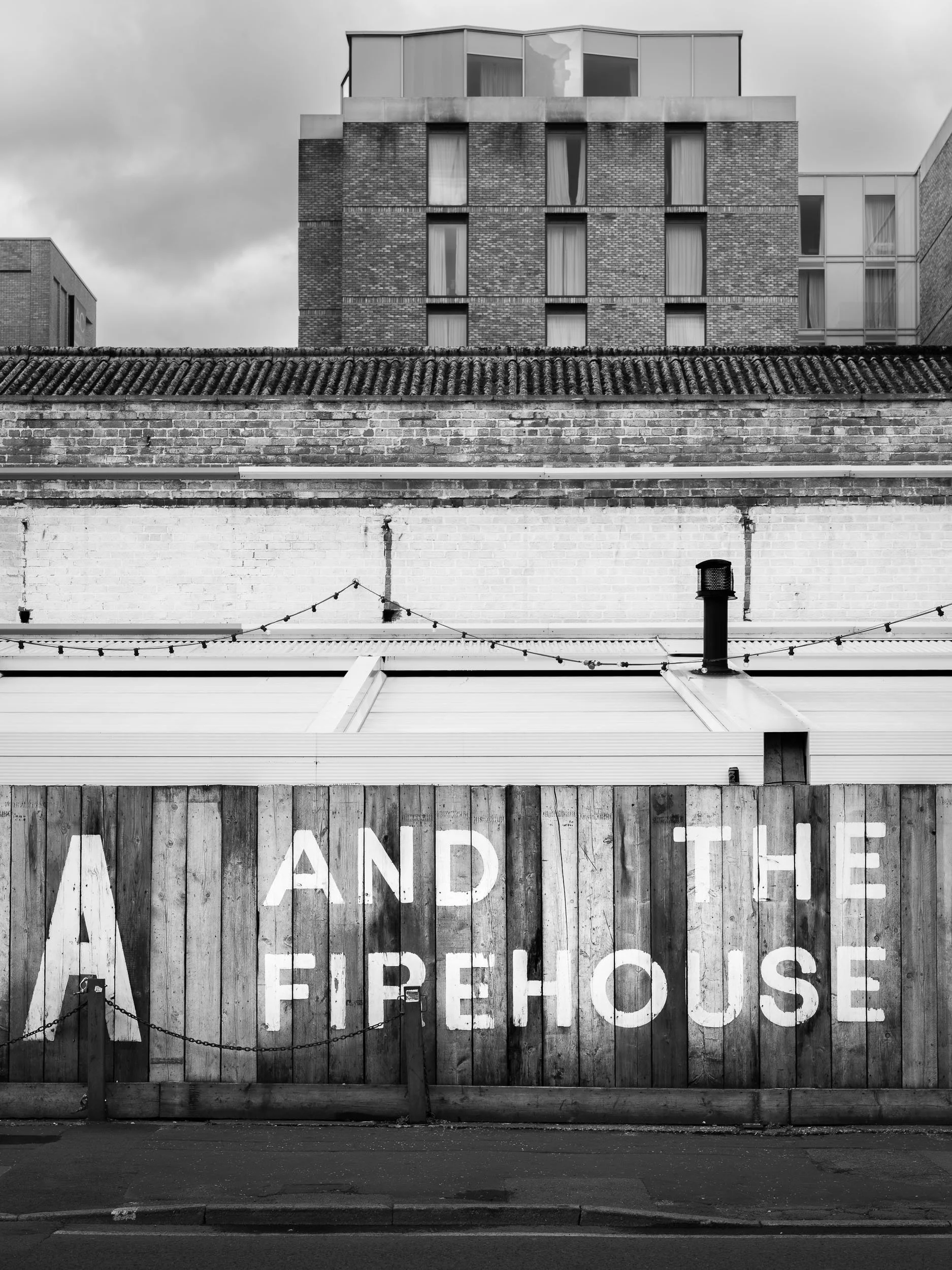
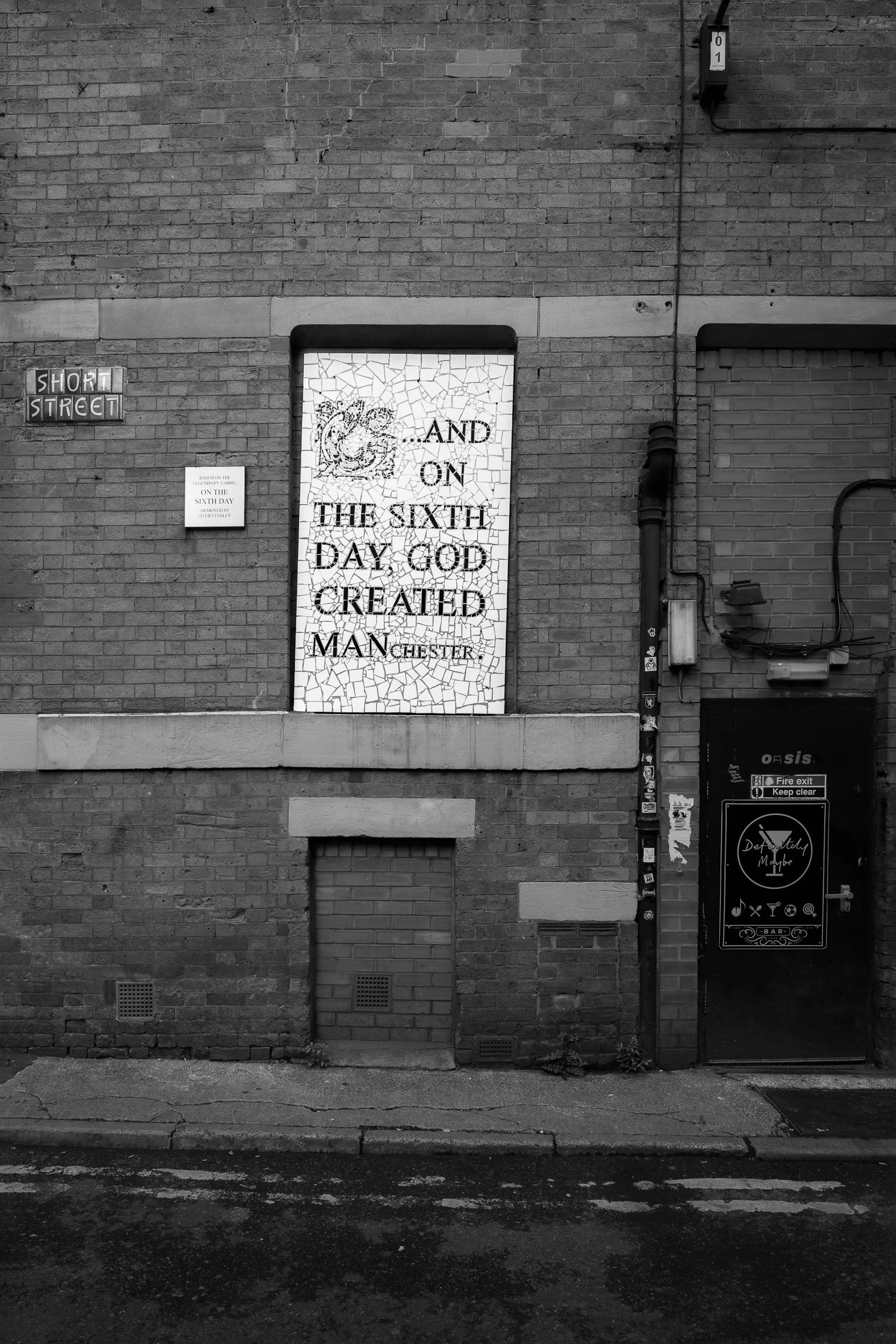
Bar Signage, Northern Quarter
This and the York post are out of order; the Manchester trip came before York. It’s just taken a little longer to process Manchester. Not the images - they were fine. The words, the thoughts, the feelings… they took a little longer.
I grew up in Manchester, went to school in Manchester, started my working life in Manchester, met my wife in Manchester… I’ve also not spent more than a couple of hours in Manchester city centre in the last twenty years. People said it’s changed; they were right. I’m still not sure how I feel…
Co-operative Land
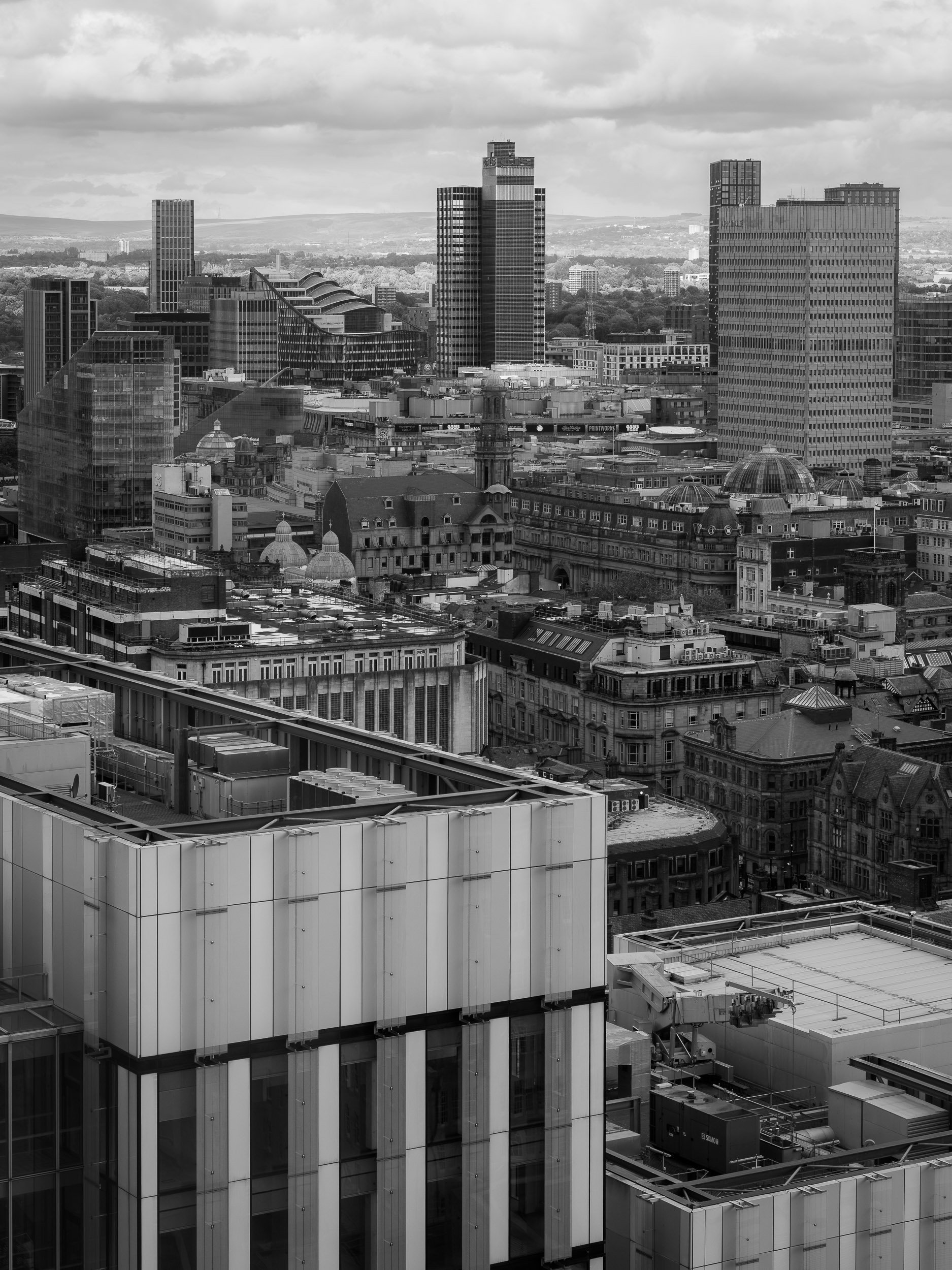
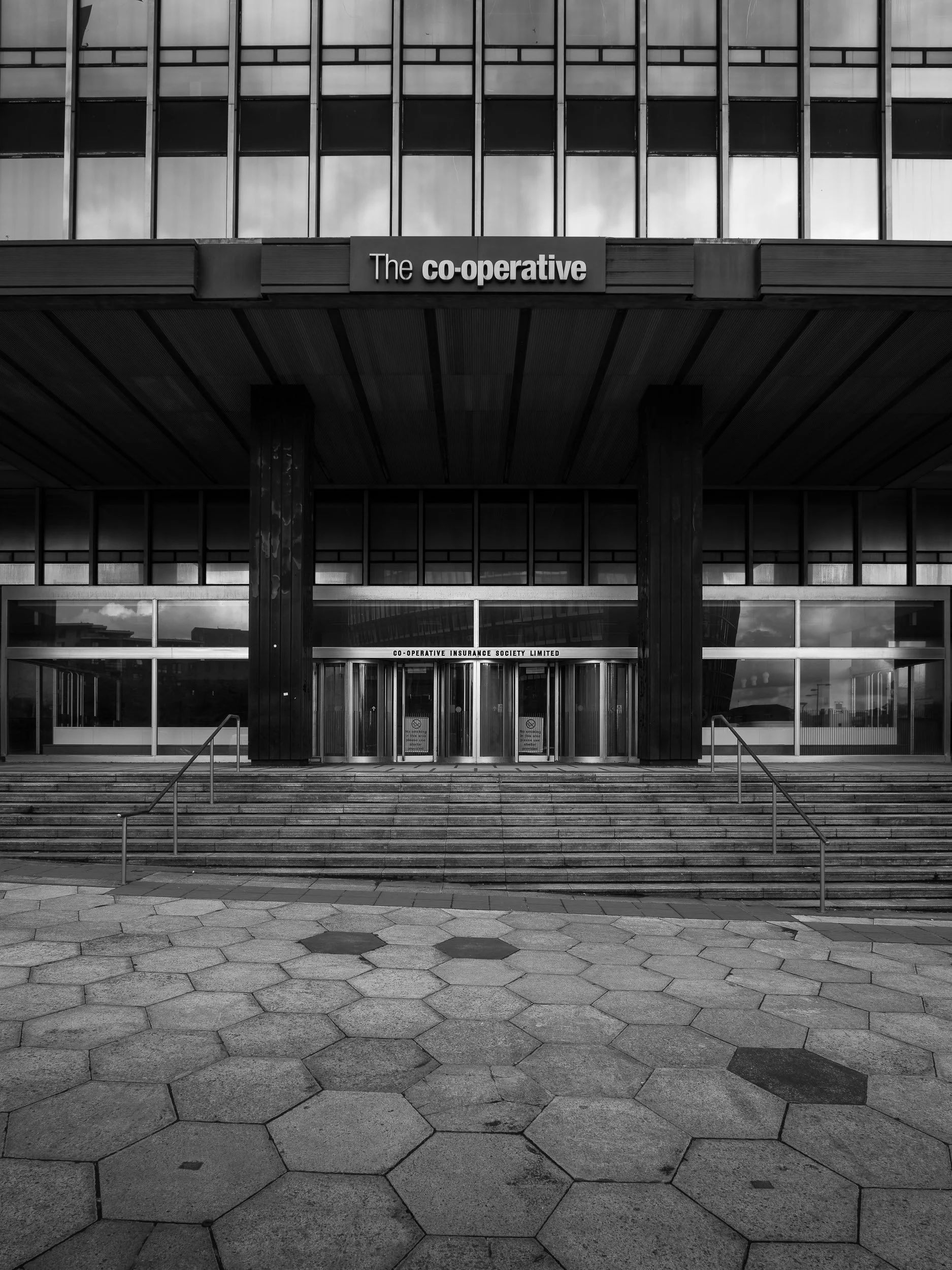
When the CIS Tower opened in 1962 it was the largest building in the UK and despite now being only the 18th tallest in Manchester, remains the largest office building in the UK outside of London. It also figured largely in the first half of my life. My father was one of the first occupants as part of the nascent IT department (at the time termed the Mechanisation Project) and worked there until his death in 1993. I joined the company in 1985 and worked on the upper floors until our move to Glasgow in 1996.
The CIS Tower looming large over the National Football Museum
Sony A7R V | 70mm f/8.0 1/500s ISO 100
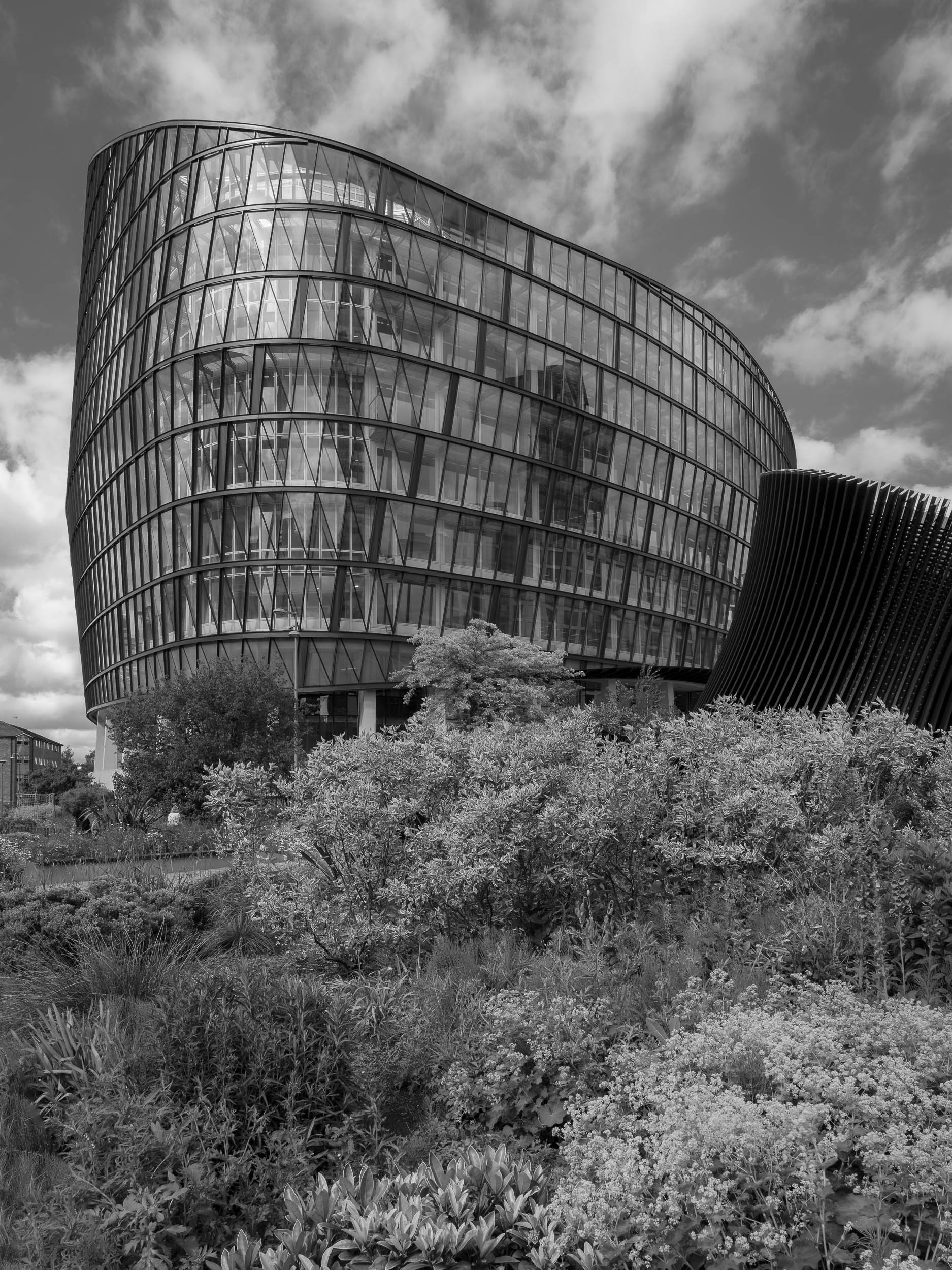
Today it’s shuttered up and looks quite sad and forlorn, although there were some murmurings in 2025 about it being redeveloped. The mighty Co-operative is not the force it once was; much of the insurance business was bought by Royal London in 2013, while the bank has been through its own travails. Around the same time, One Angel Square, just over the road from the CIS Tower, became the HQ for the Co-operative Group with the consequence that the Co-operative has effectively retreated to outside of the ring road.
Signs of the various Co-operative business remain in the cluster of streets and buildings that sit across the road from Victoria Station, but the area seems to lack the business and vibrancy that I remember. It also feels that the fate of the CIS Tower is a part of the story of Manchester’s development; perhaps a theme to revisit.
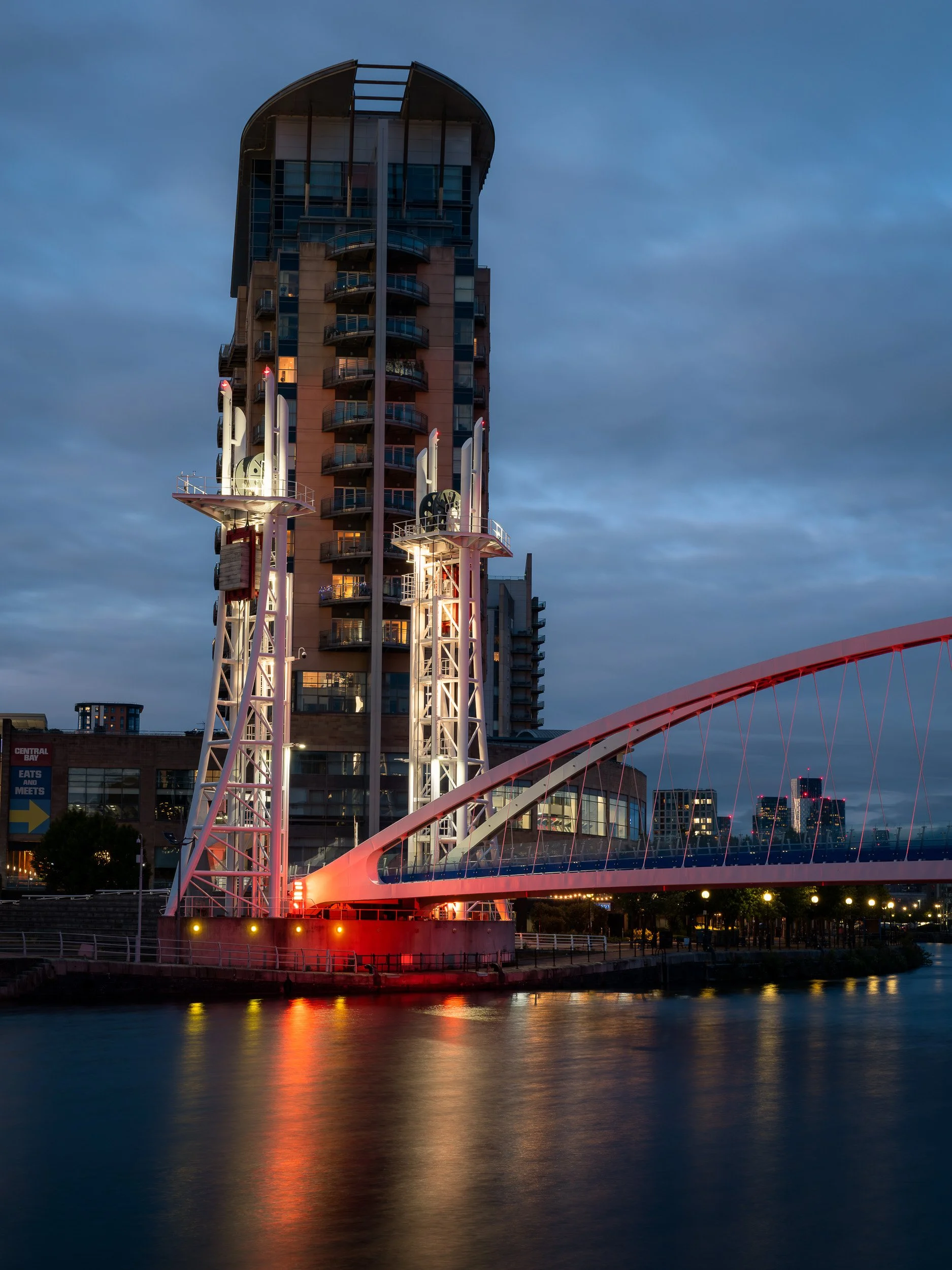
Salford Quays and Media City
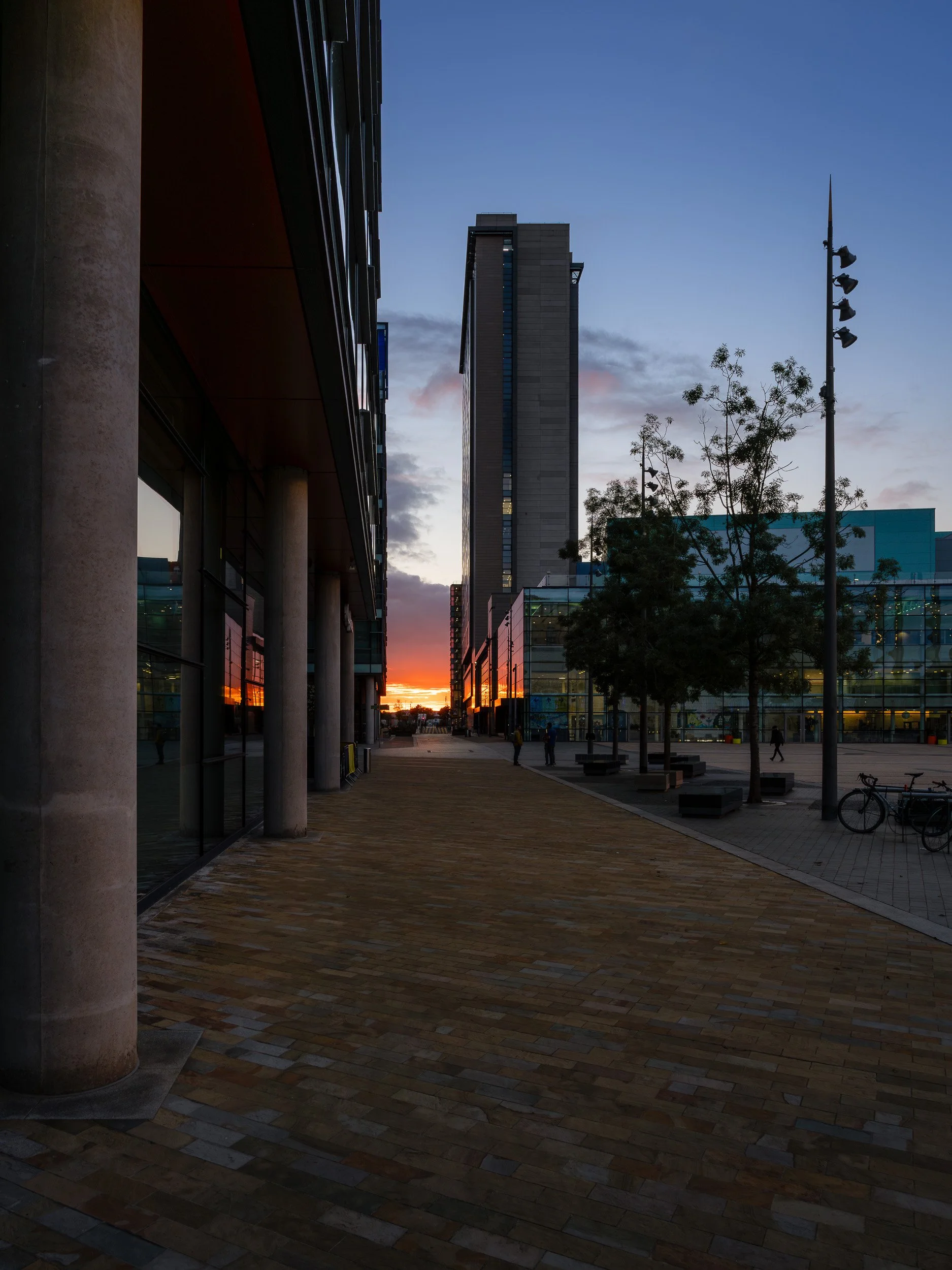
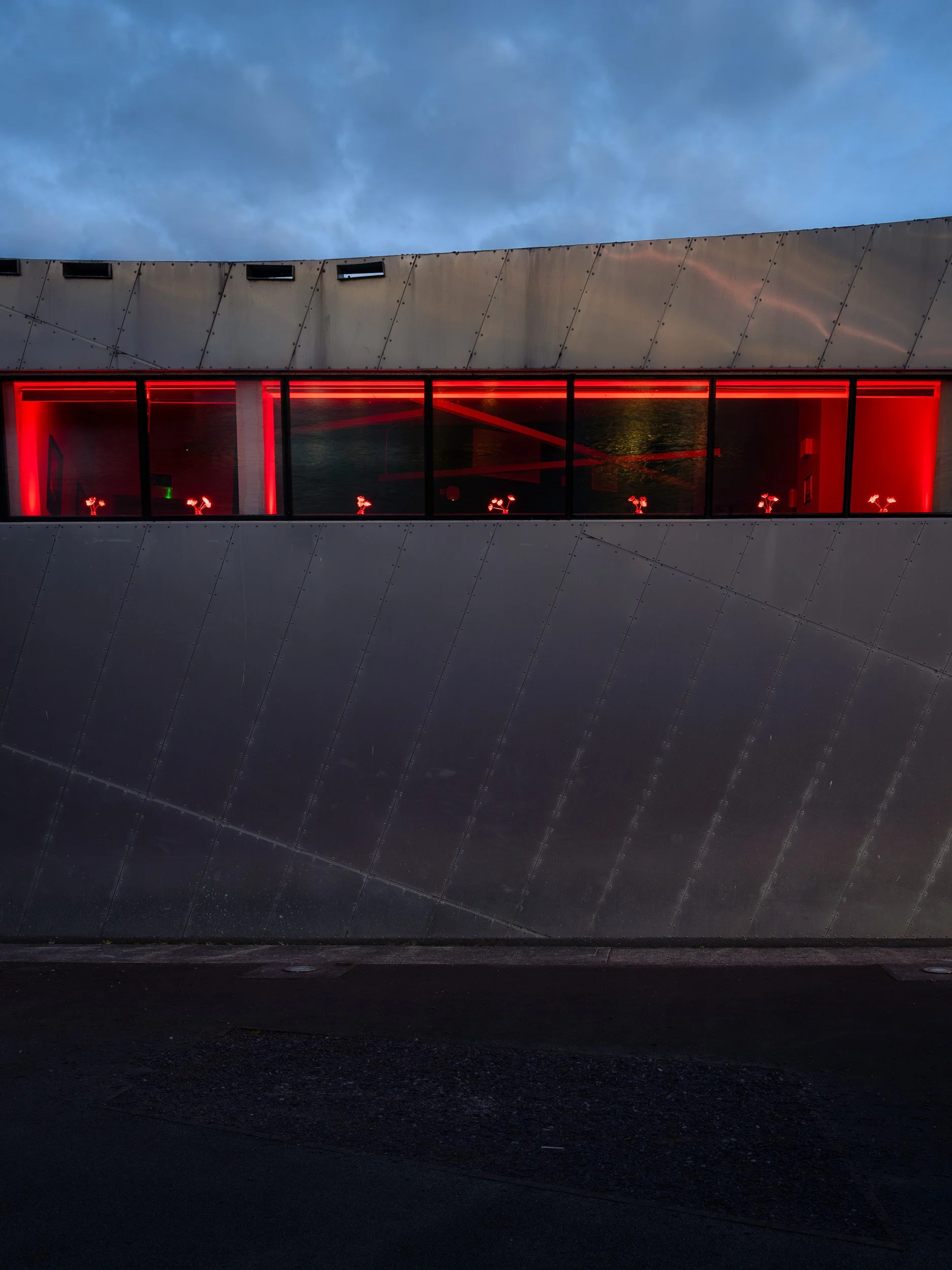
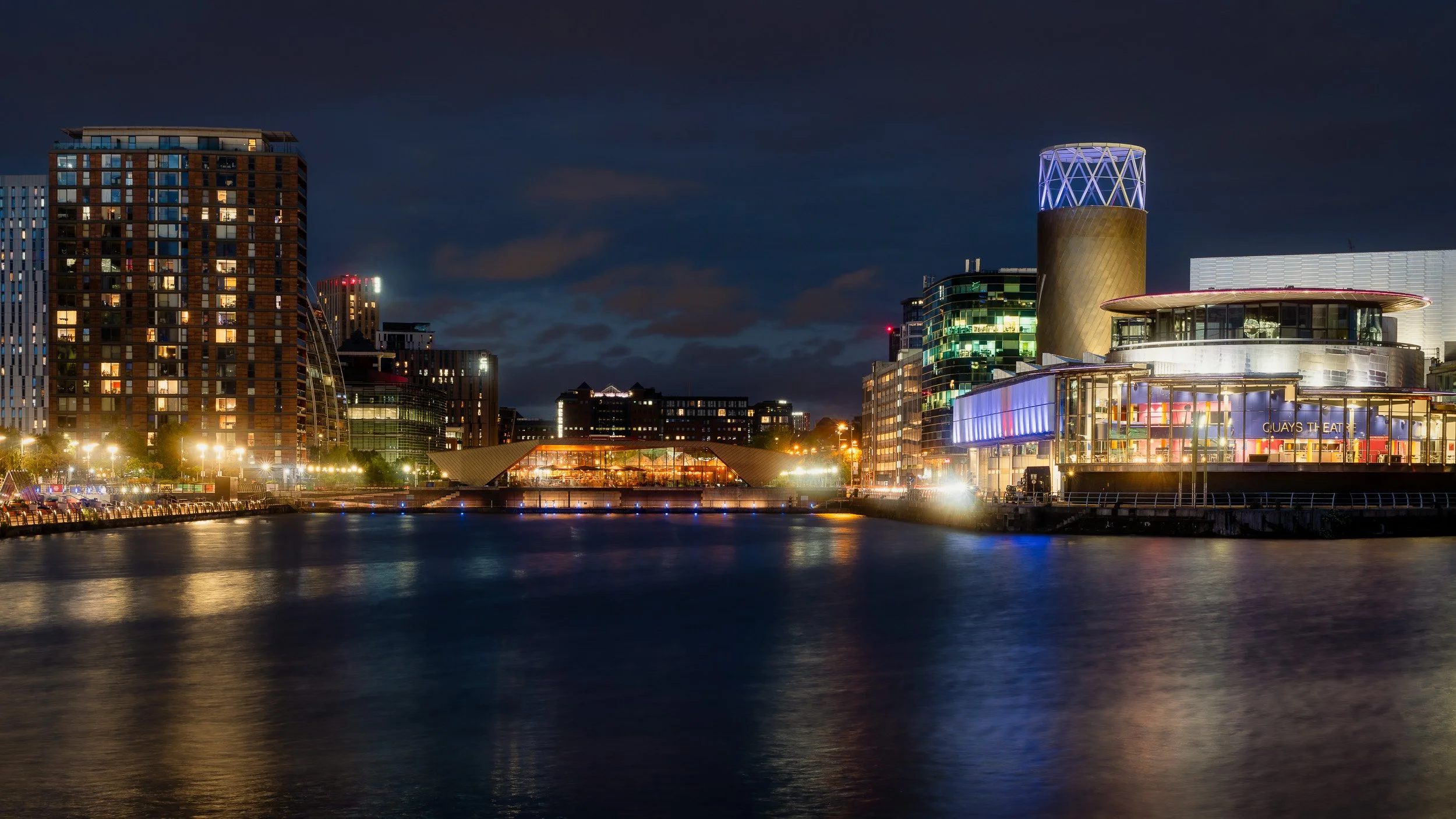
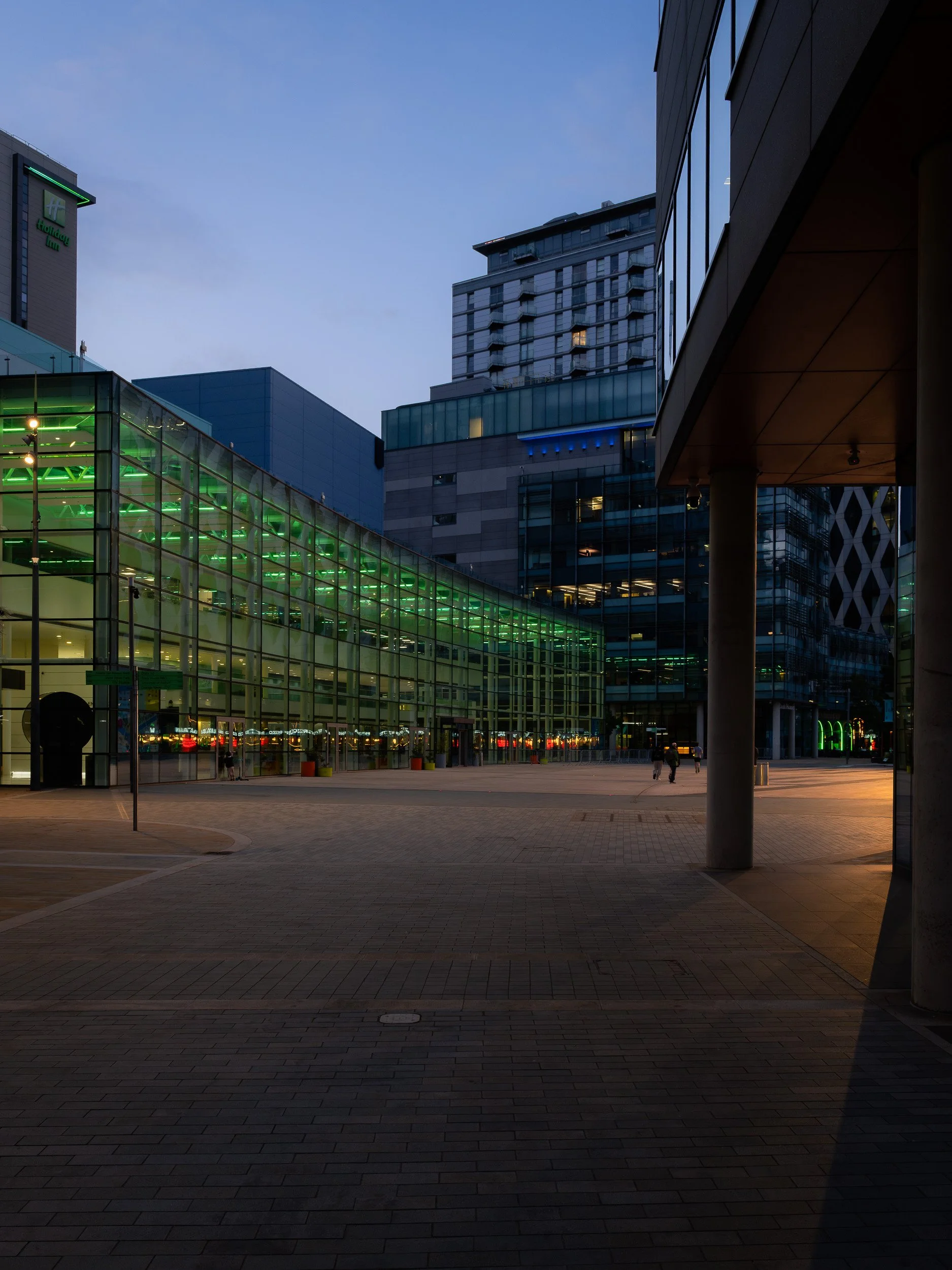
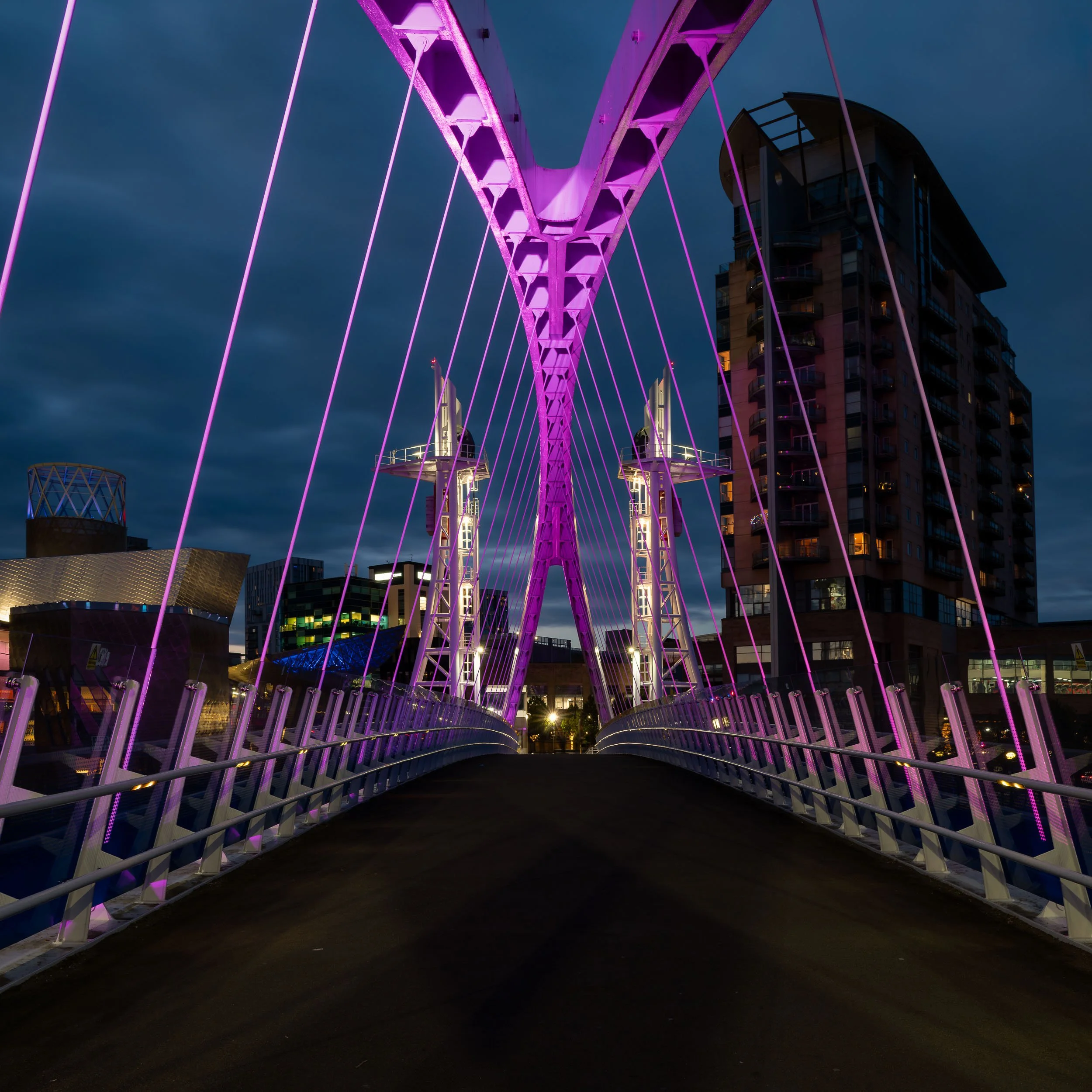
The redevelopment of Salford Quays was already well underway when I left Manchester in 1996, but the selection of the Media City site in 2006 as the northern home for the BBC acted as an accelerant. Consequently it feels like a mature, cohesive development rather than a random collection of buildings.
Imperial War Museum North
Sony A7R V | 25mm f/8.0 90s ISO 100
The trip to Manchester was organised following the successful London trip with a similar group of photographers making the journey. Media City was high on the list for an evening visit given the potential for lights and reflections and it didn’t disappoint. That said, I also left with the thought that as Manchester’s development gathers pace, Salford is not a bad exemplar.
City Centre to Castlefield
I spent the first afternoon wandering around the City Centre, recognising most of the street names but only occasionally remembering the places. The first time I really felt that I was returning to somewhere that I knew and loved was when I stumbled across the bar signage featured at the head of this piece! The sign may be new, but the sentiment felt like home…
Manchester Central Library
Sony A7R V | 35mm f/11 1/50s ISO 400
The reality is, of course, that far less has changed than imagined. Much of the city remains as it once was and much remains dishevelled and neglected. There can be an occasional sense of dislocation as a once familiar scene is juxtaposed against a newer, more modern and less soulful development. Scratch the surface though and Manchester remains Manchester; friendly and sociable with a hard edge.
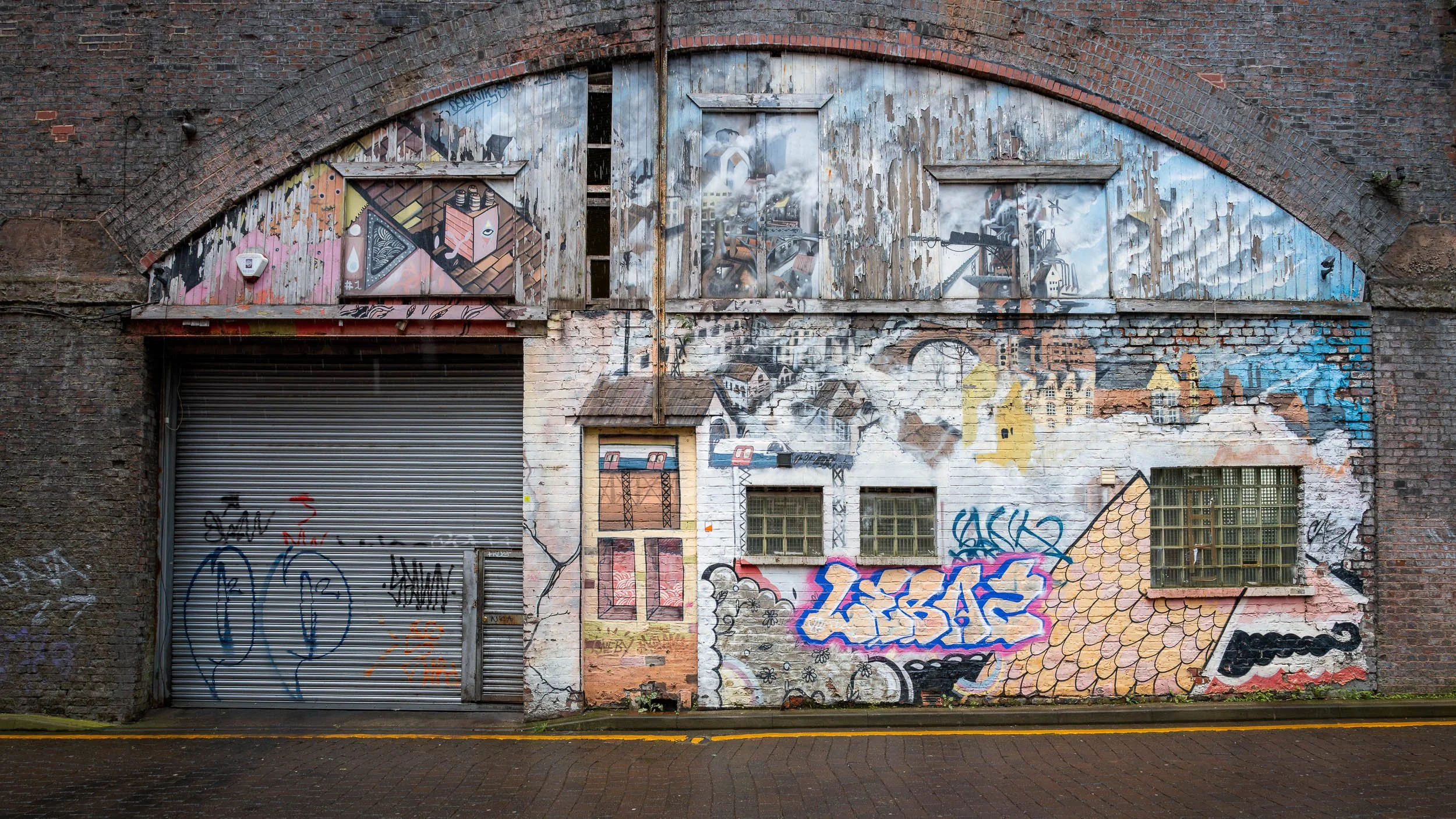
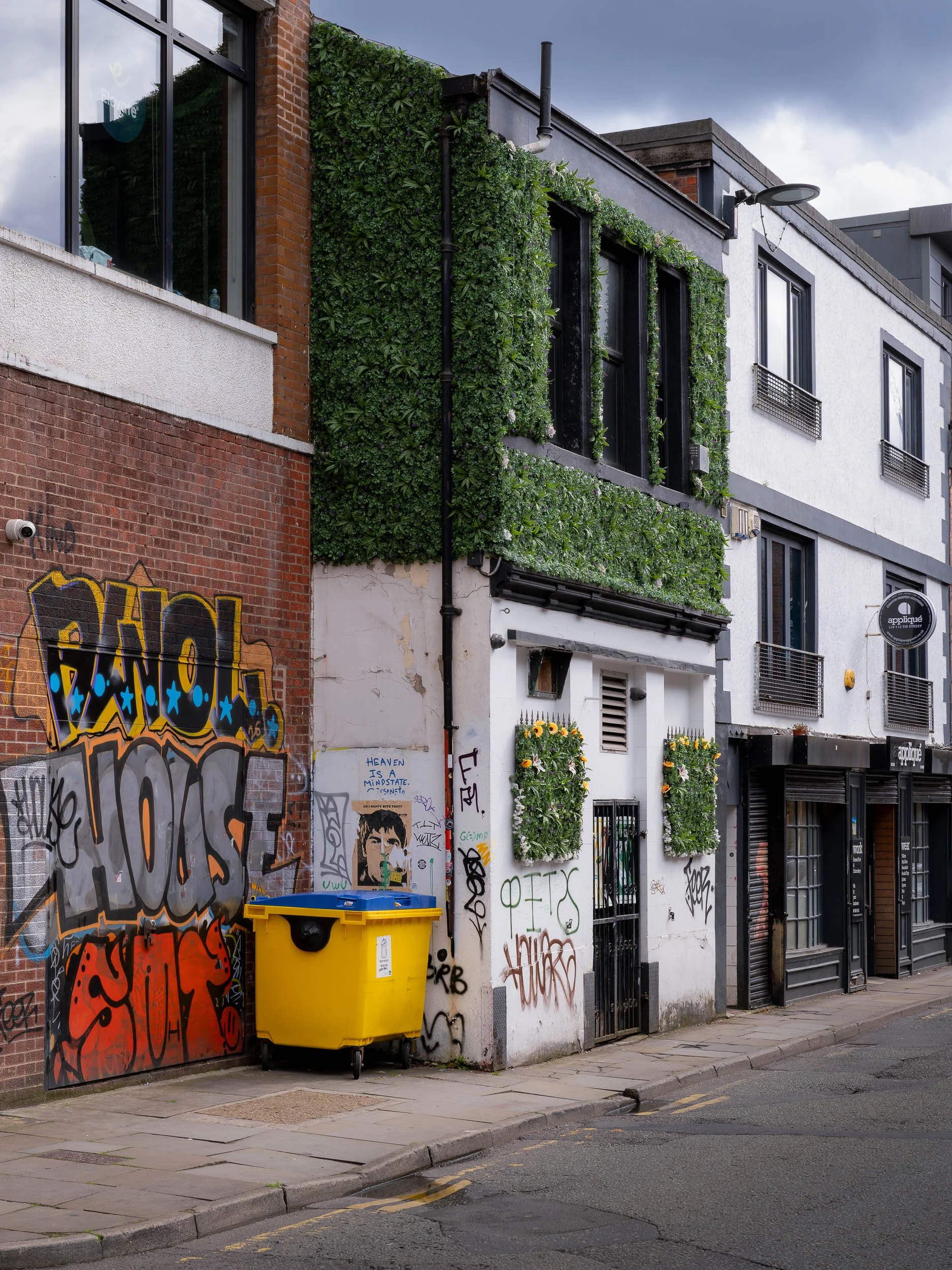
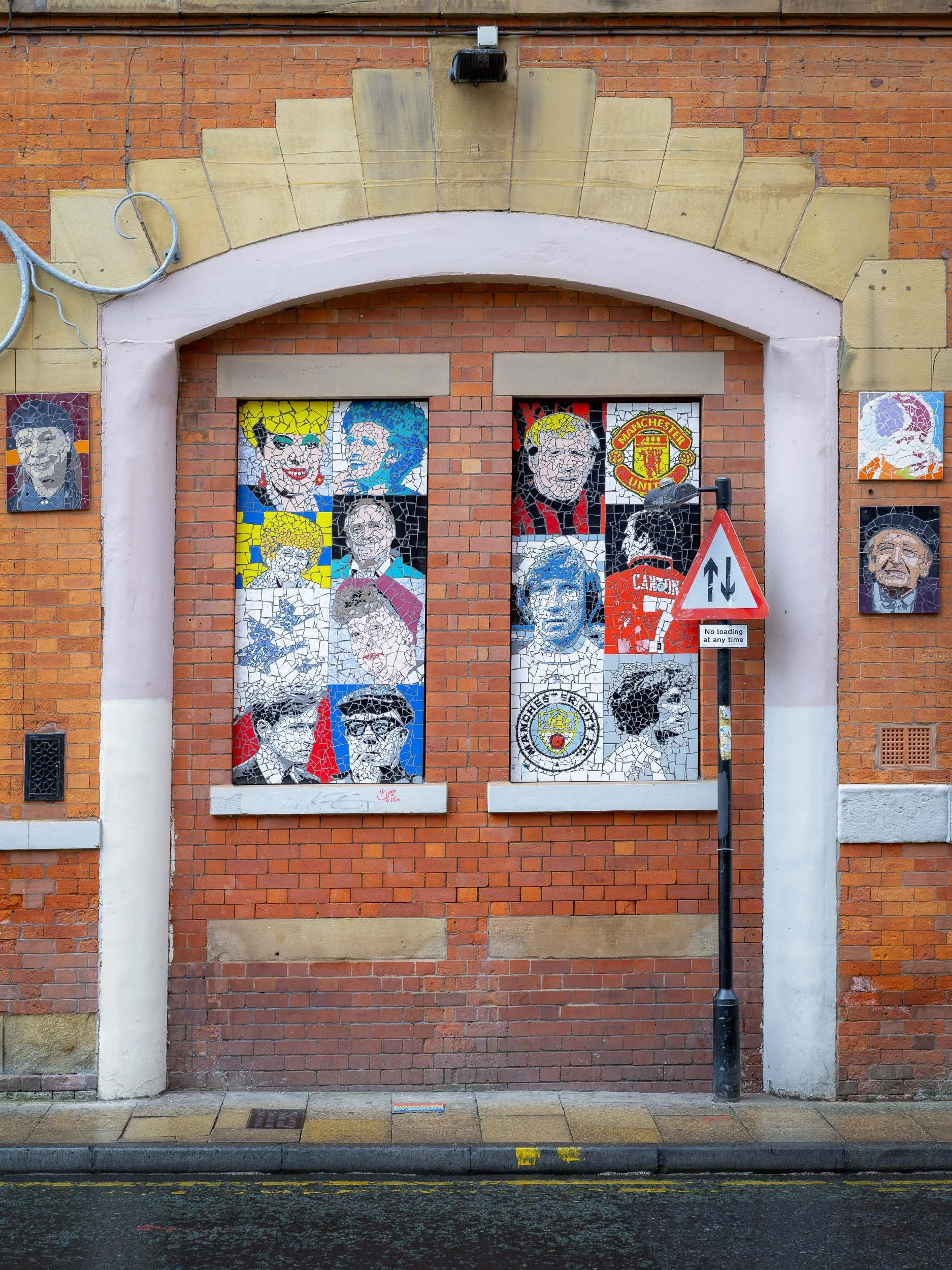
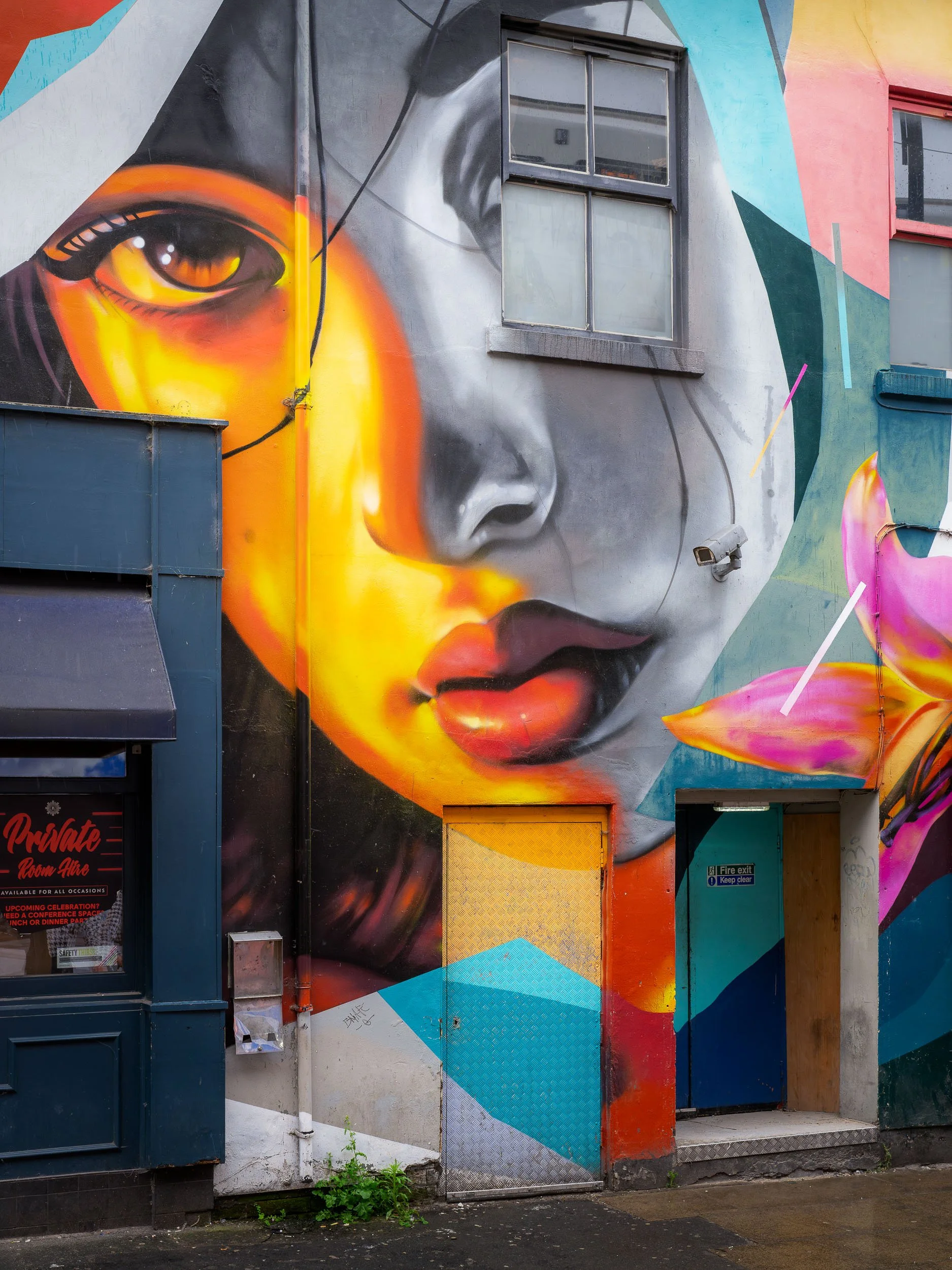
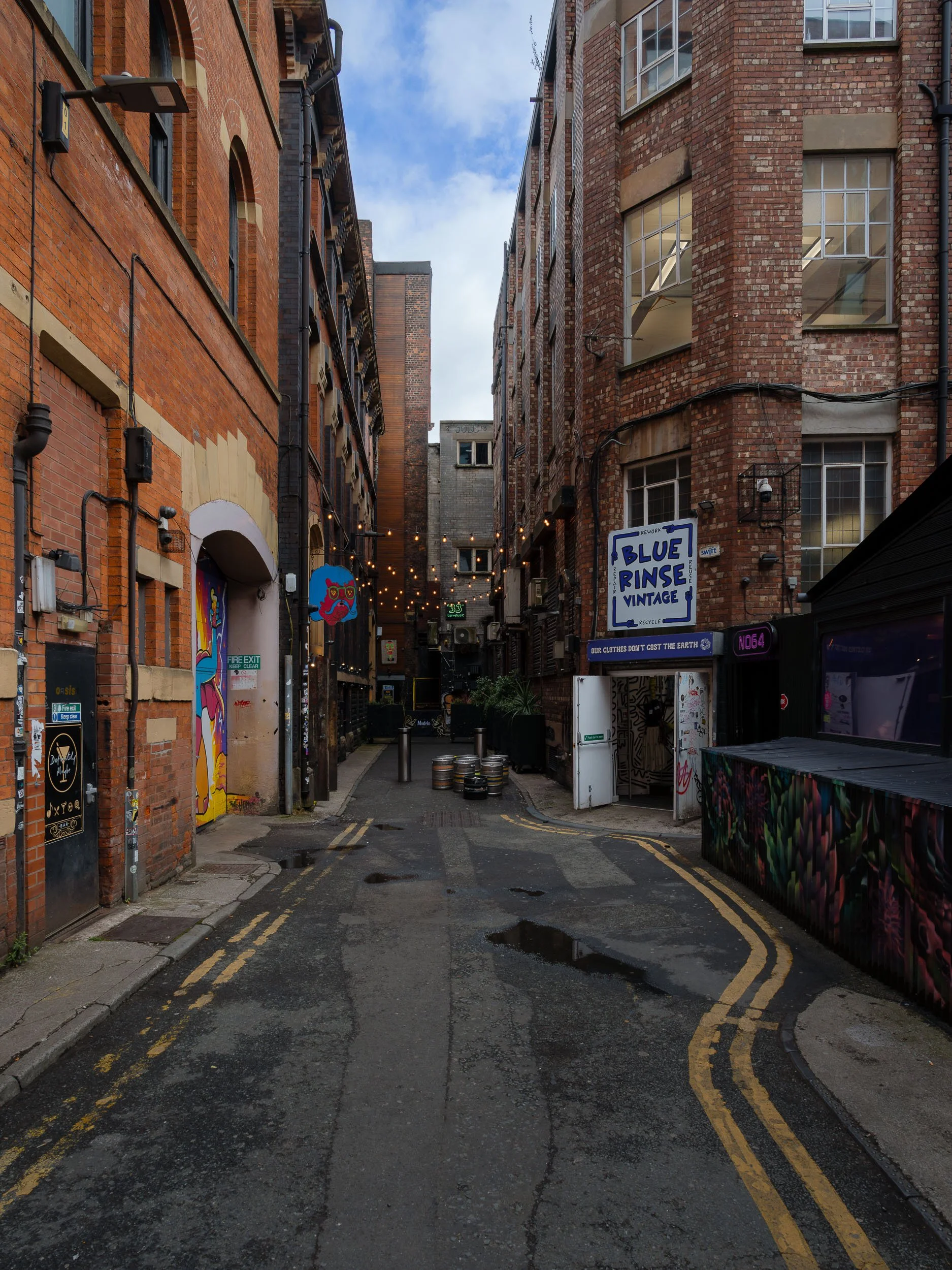
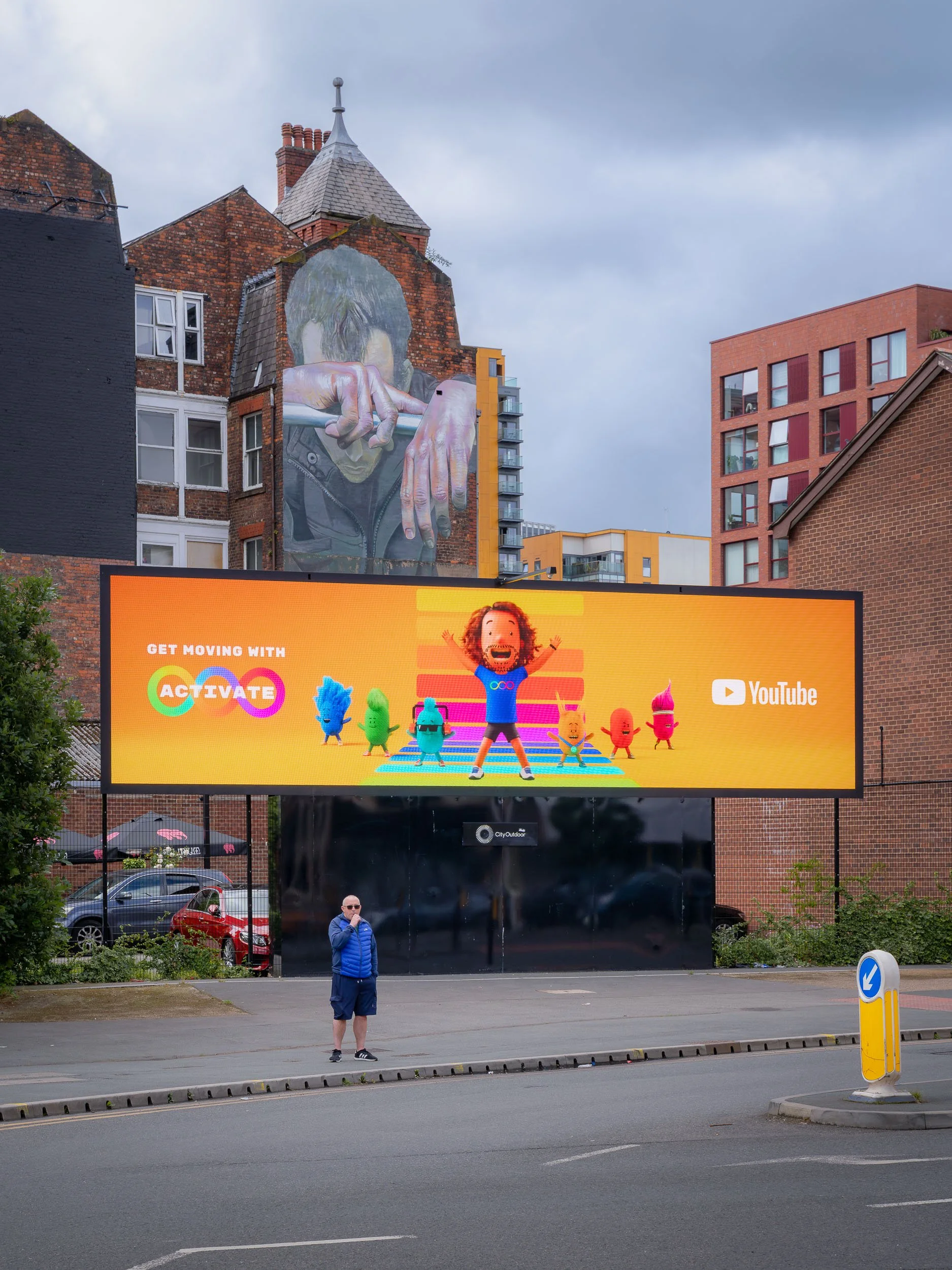
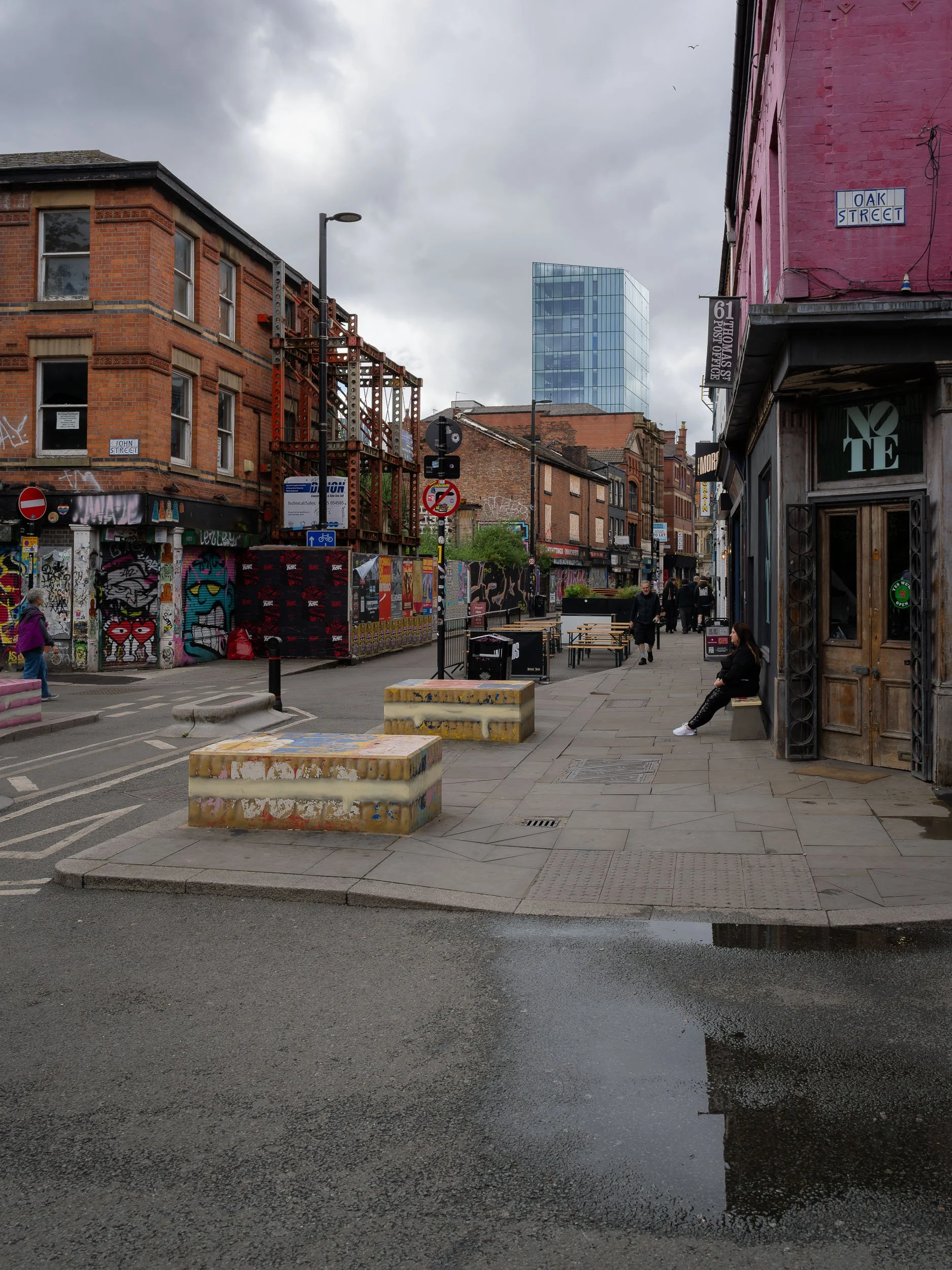
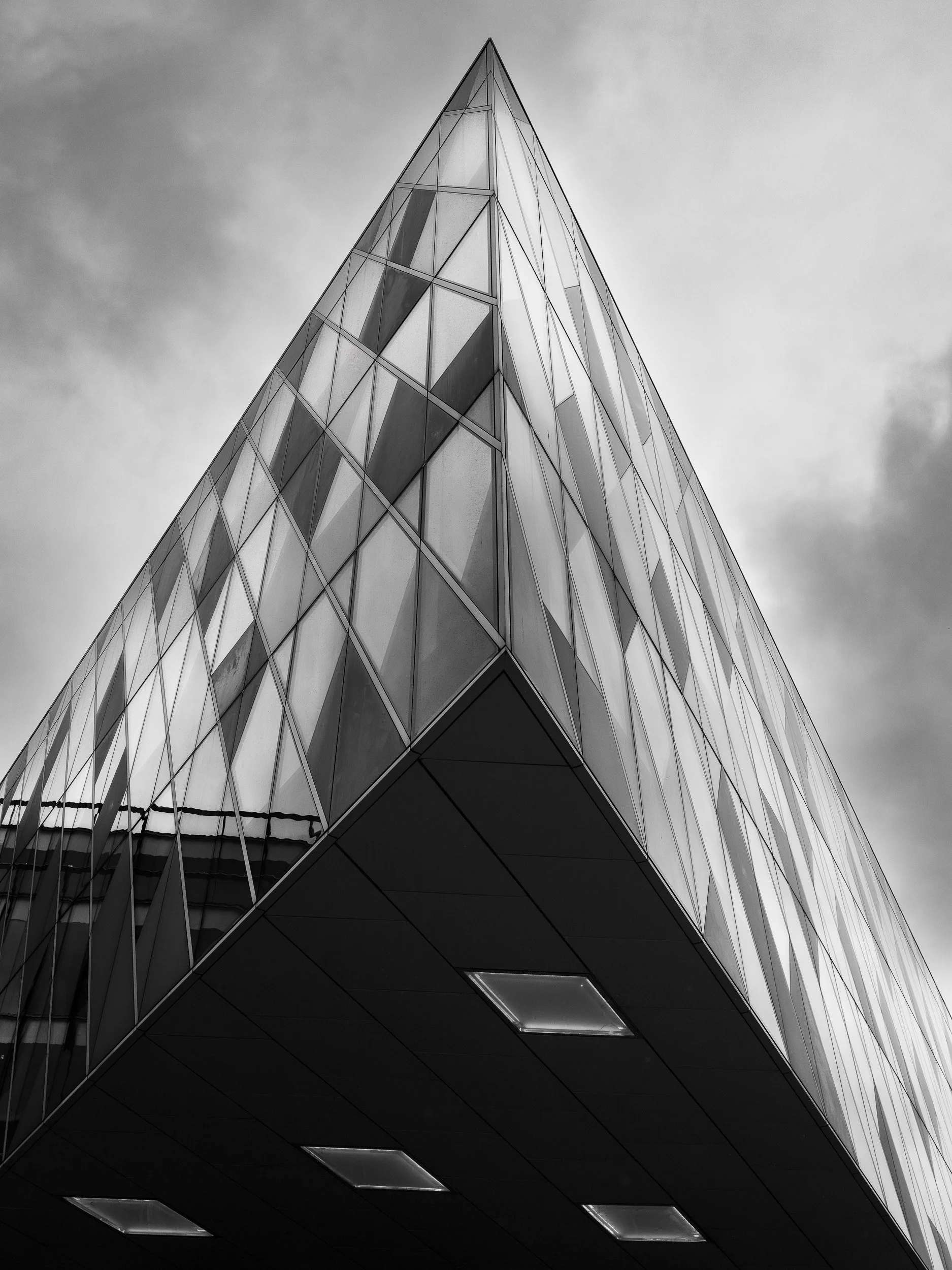
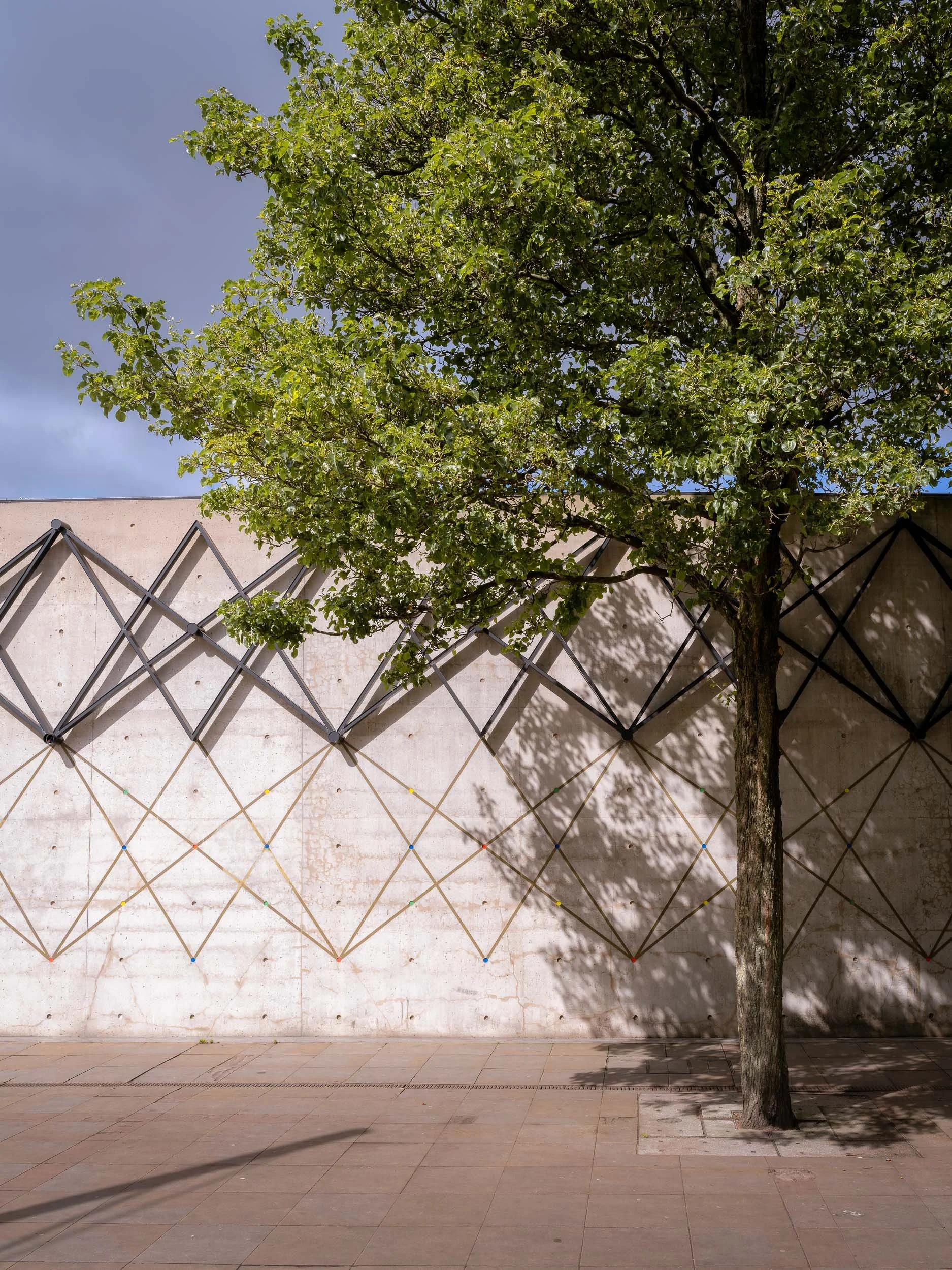
It’s in Castlefield that the changes have been most stark. The place is genuinely unrecognisable from the Castlefield I used to frequent. The development has been aggressive and dramatic as high rise tower blocks have sprung up. It’s also not been without controversy.
There is certainly a view that much of this residential development has benefited the developers and investors far more than the good folk of Manchester. That said, I think much can be said of any sizable programme of development. I’m not sure that I’ll be given enough time to judge the success…
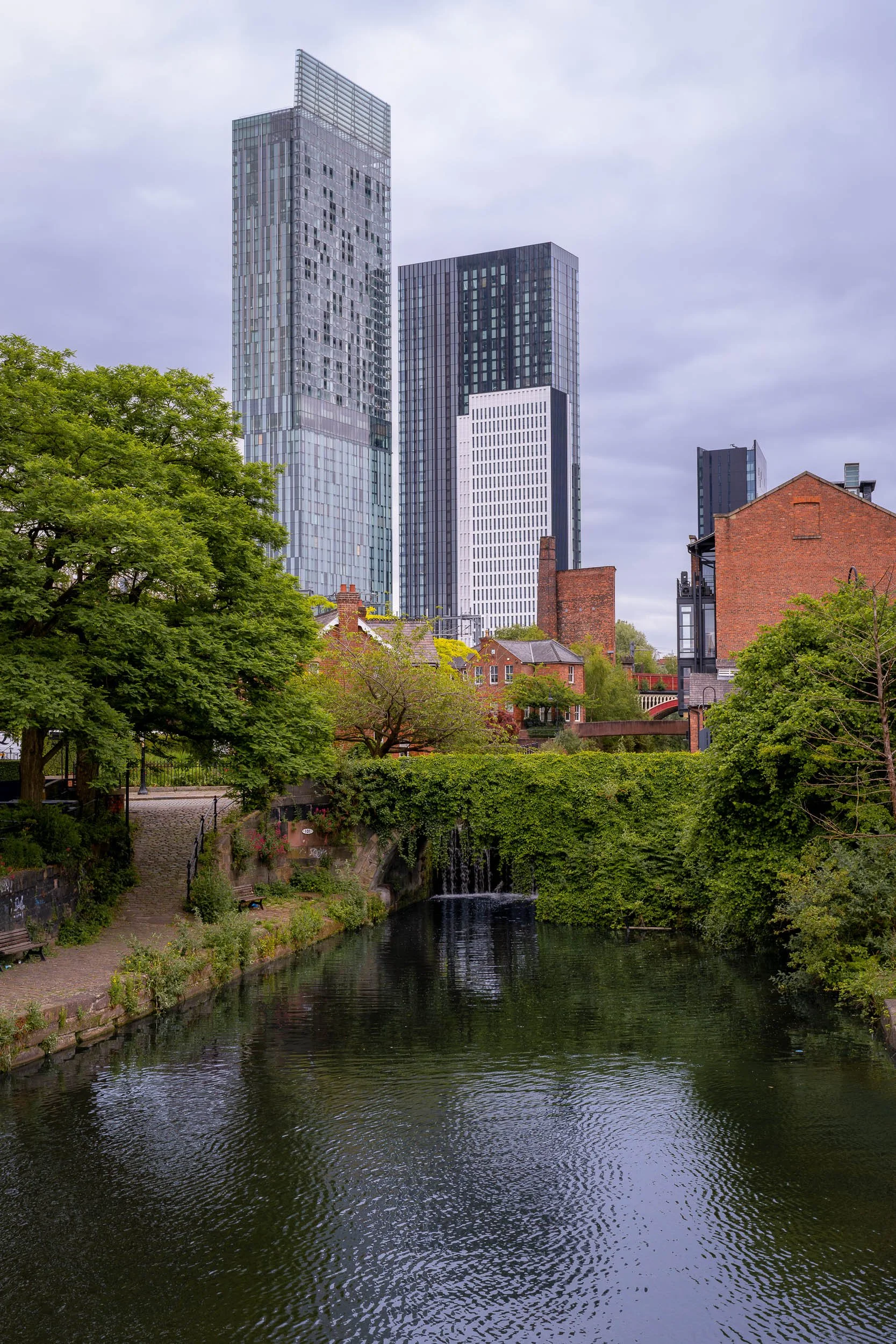
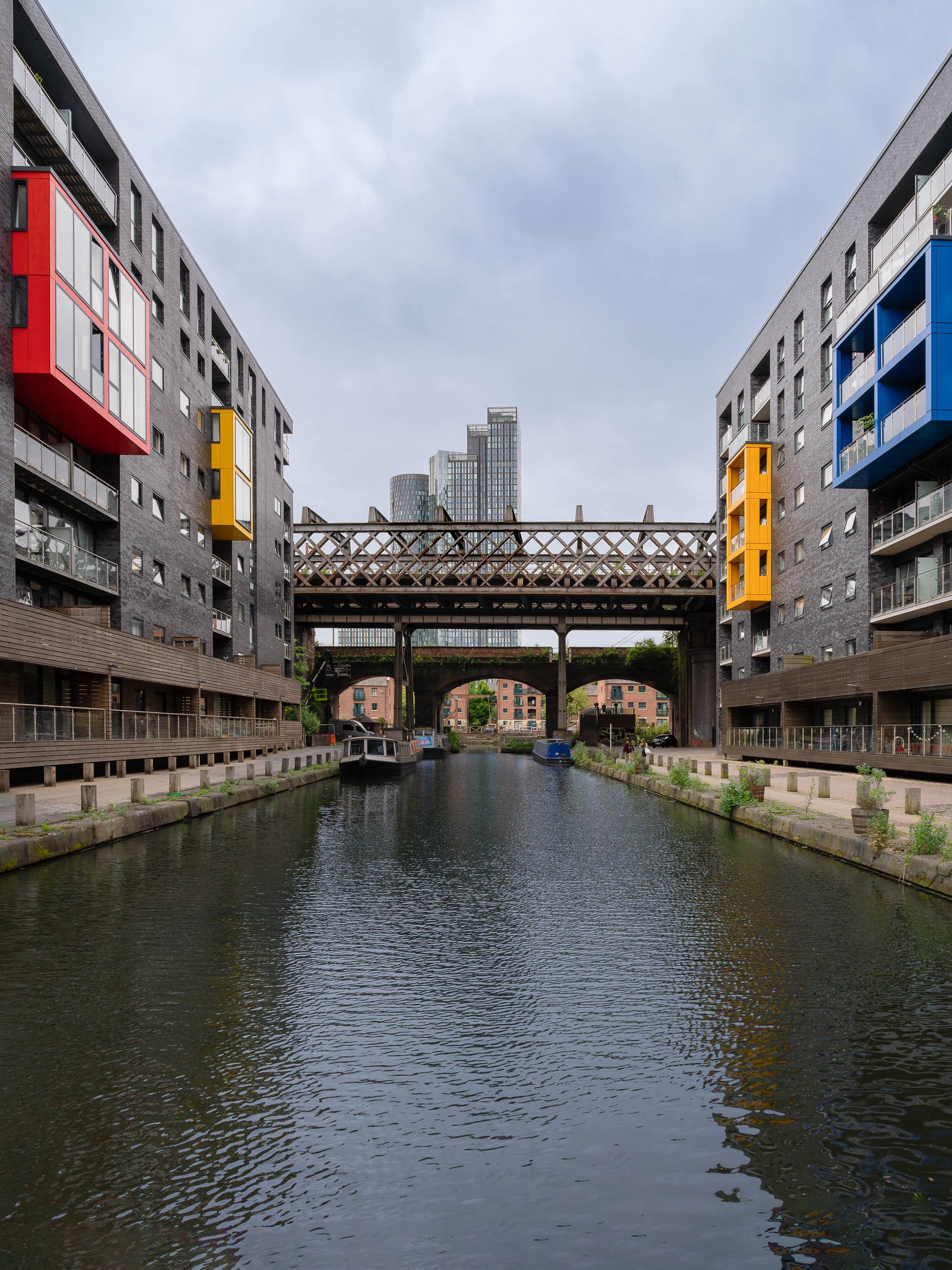
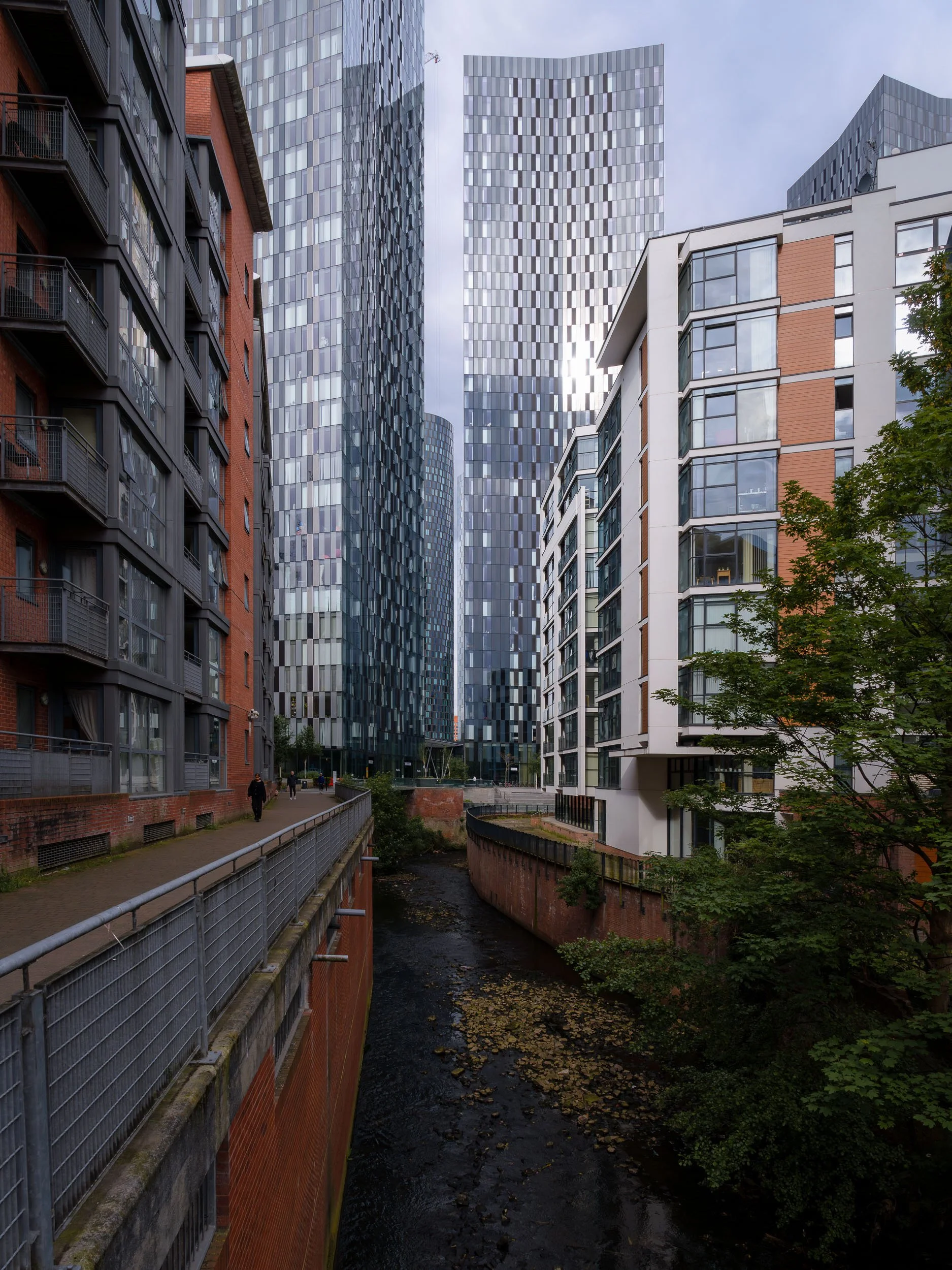
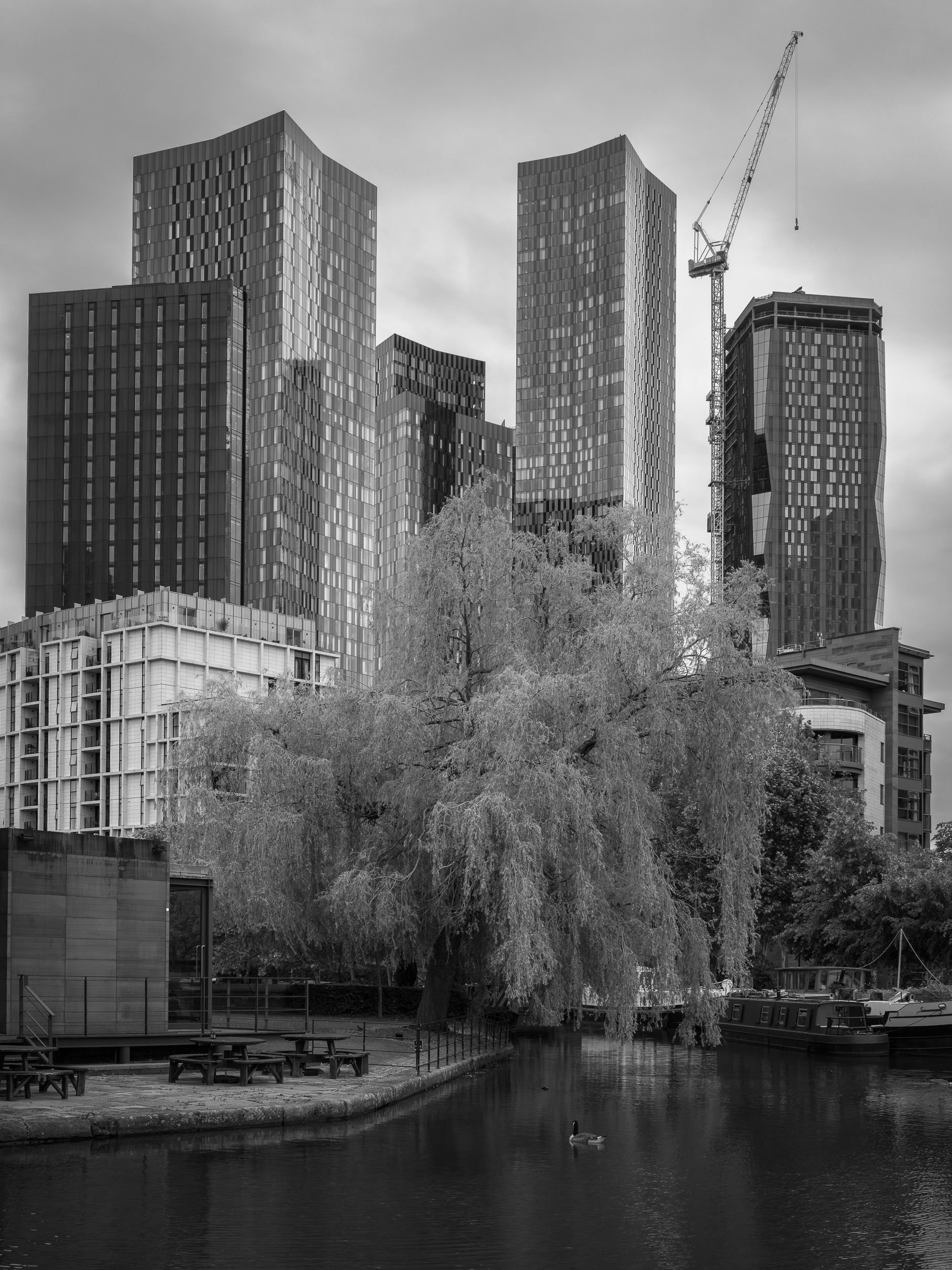
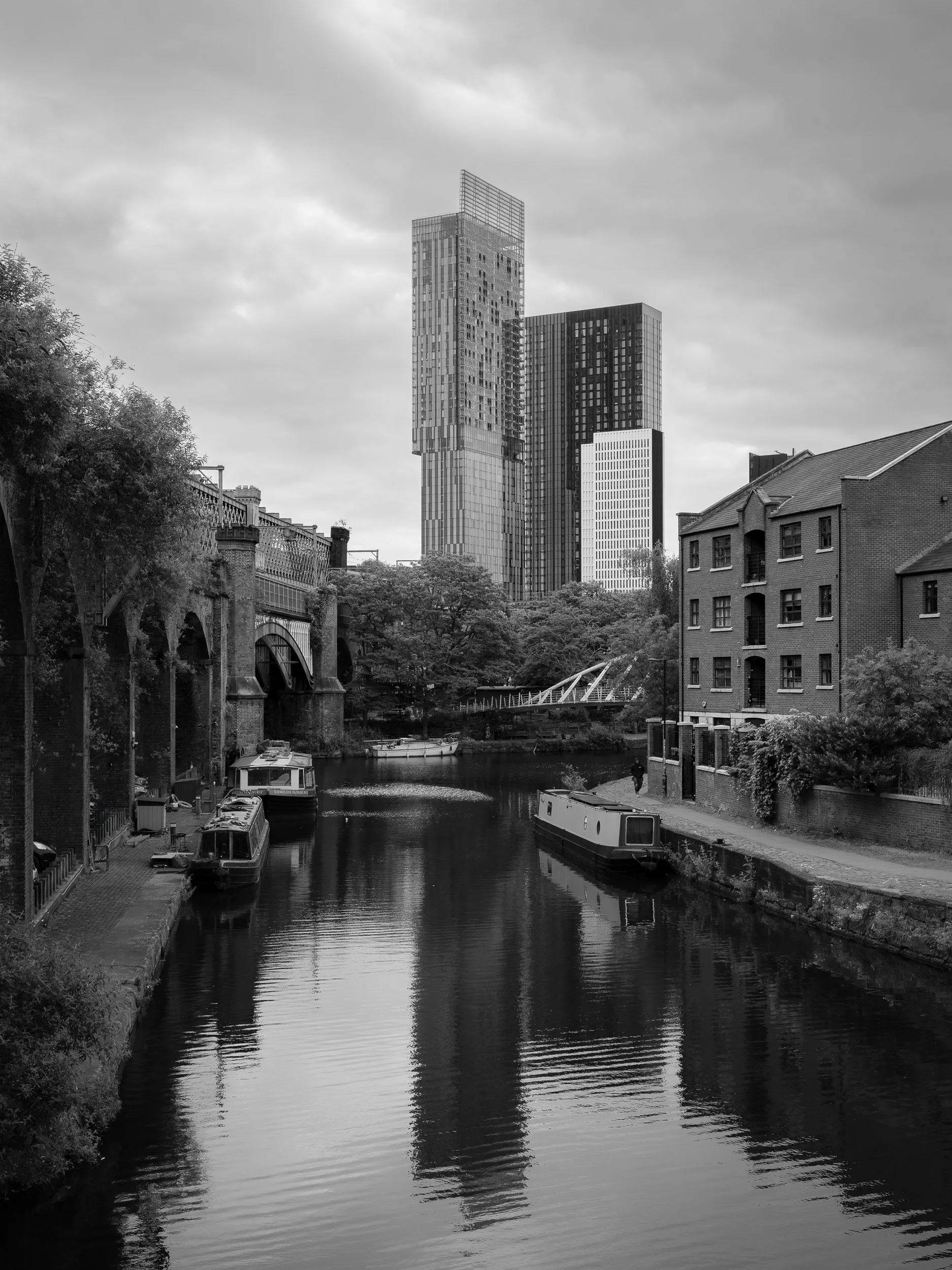
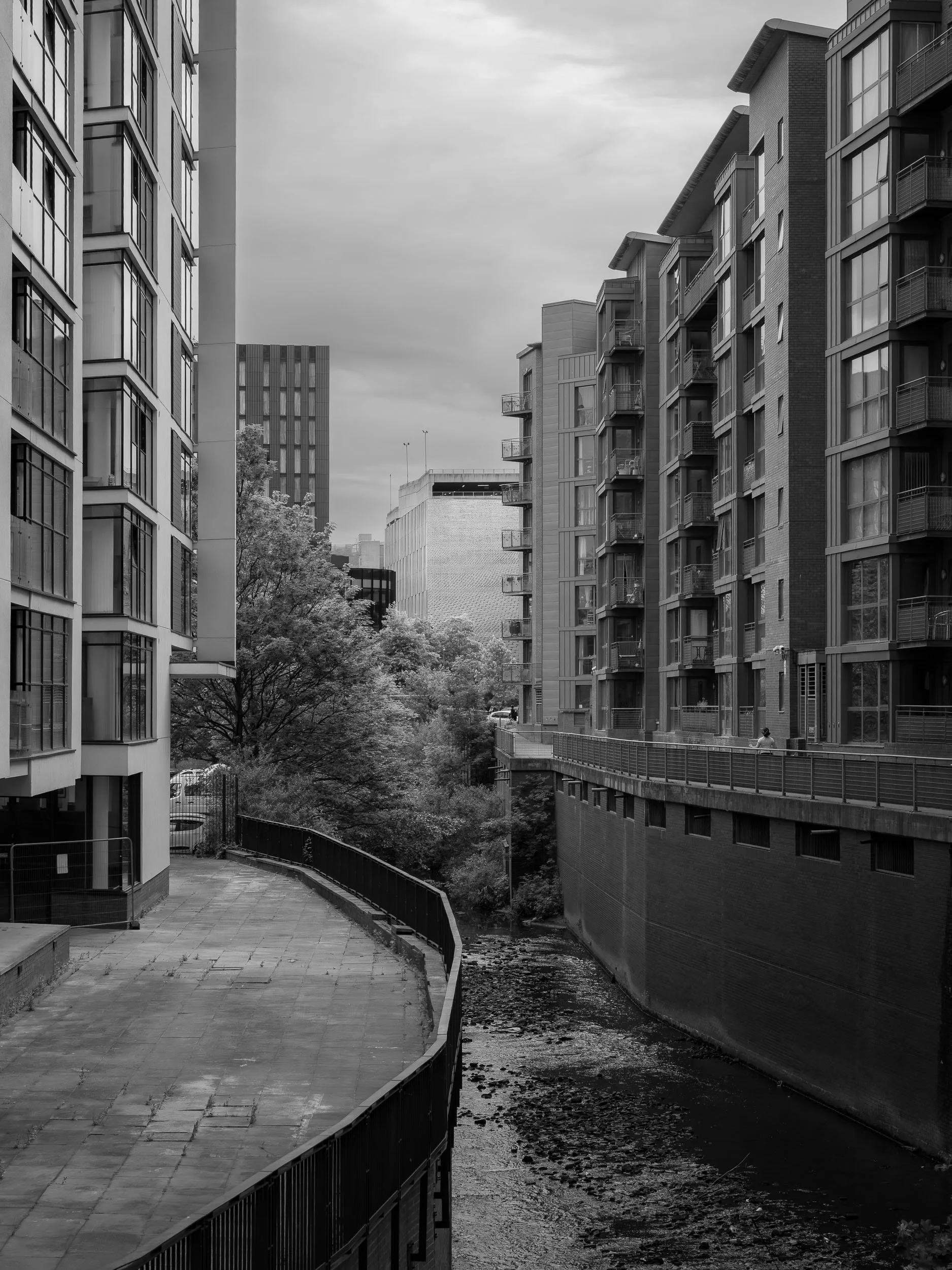
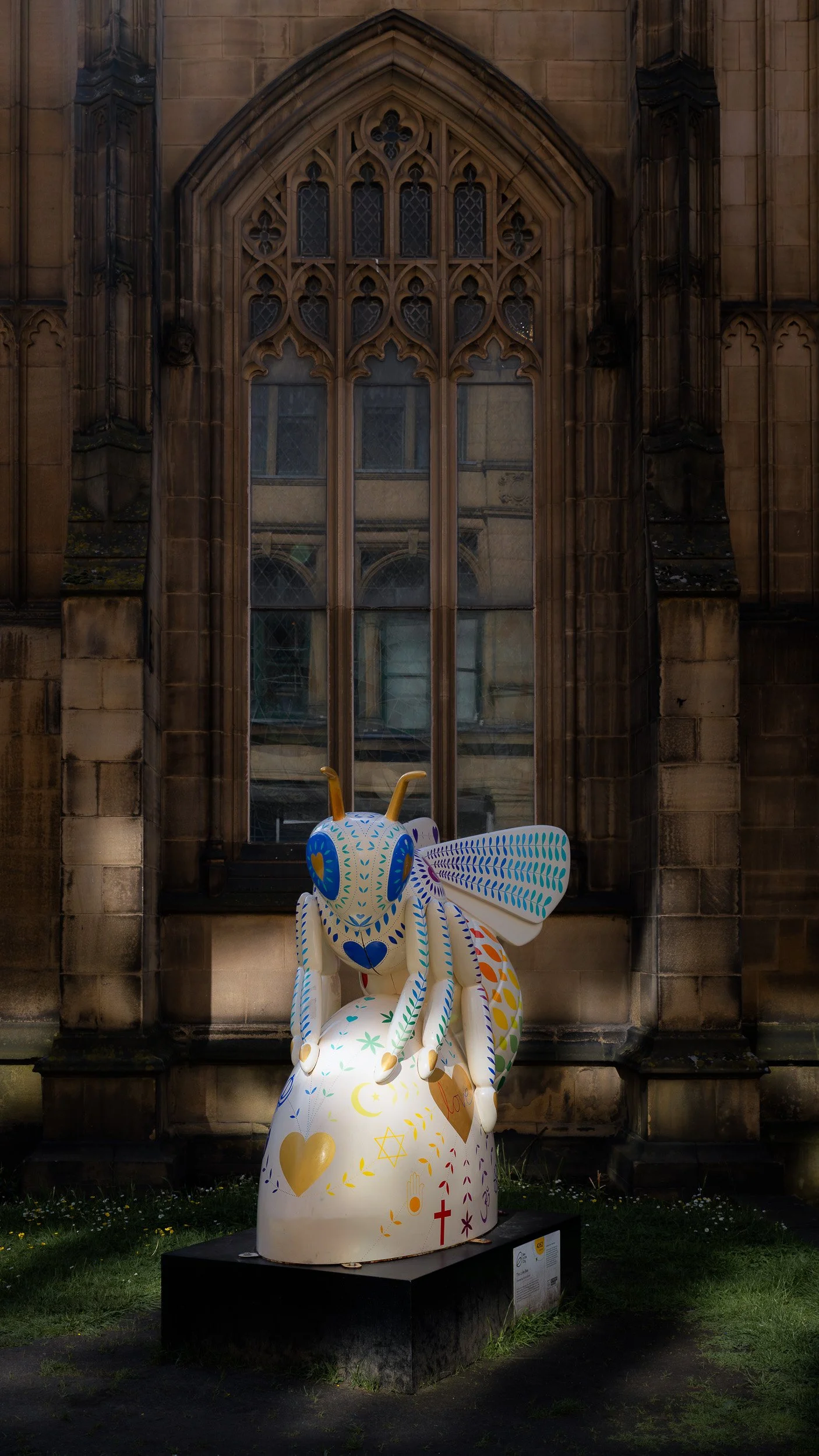
One of the details that you can’t help but notice is the prevalence of the worker bee motif. It was adopted during the Industrial Revolution and has been a part of the city’s coat of arms since 1842. It had a sizable resurgence as a symbol of Manchester’s resilience following the tragic events of the Manchester Arena bombing in 2017.
Industry | Community | Resilience
Sony A7R V | Sony FE 20mm-70mm F4 | Various settings
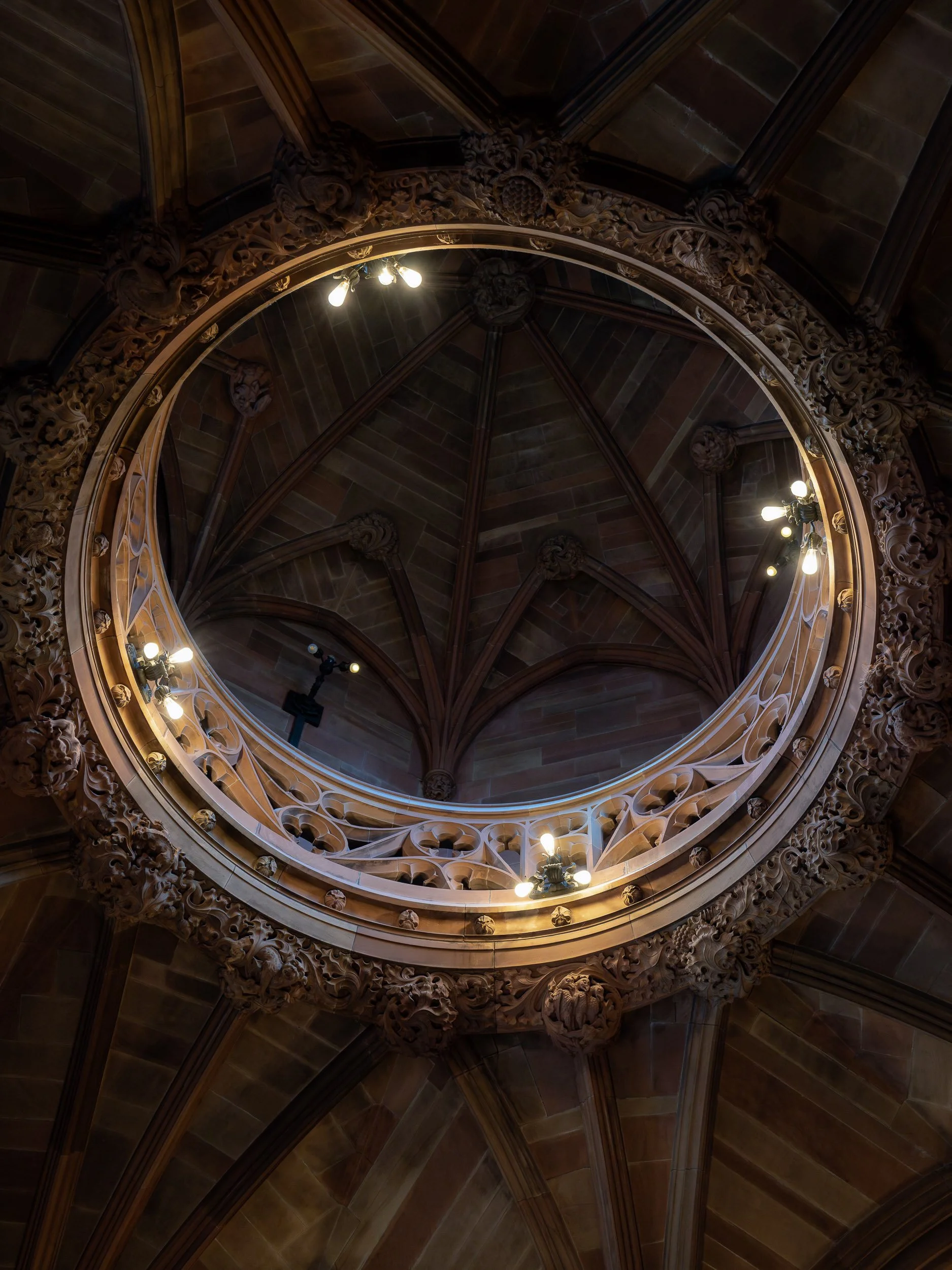
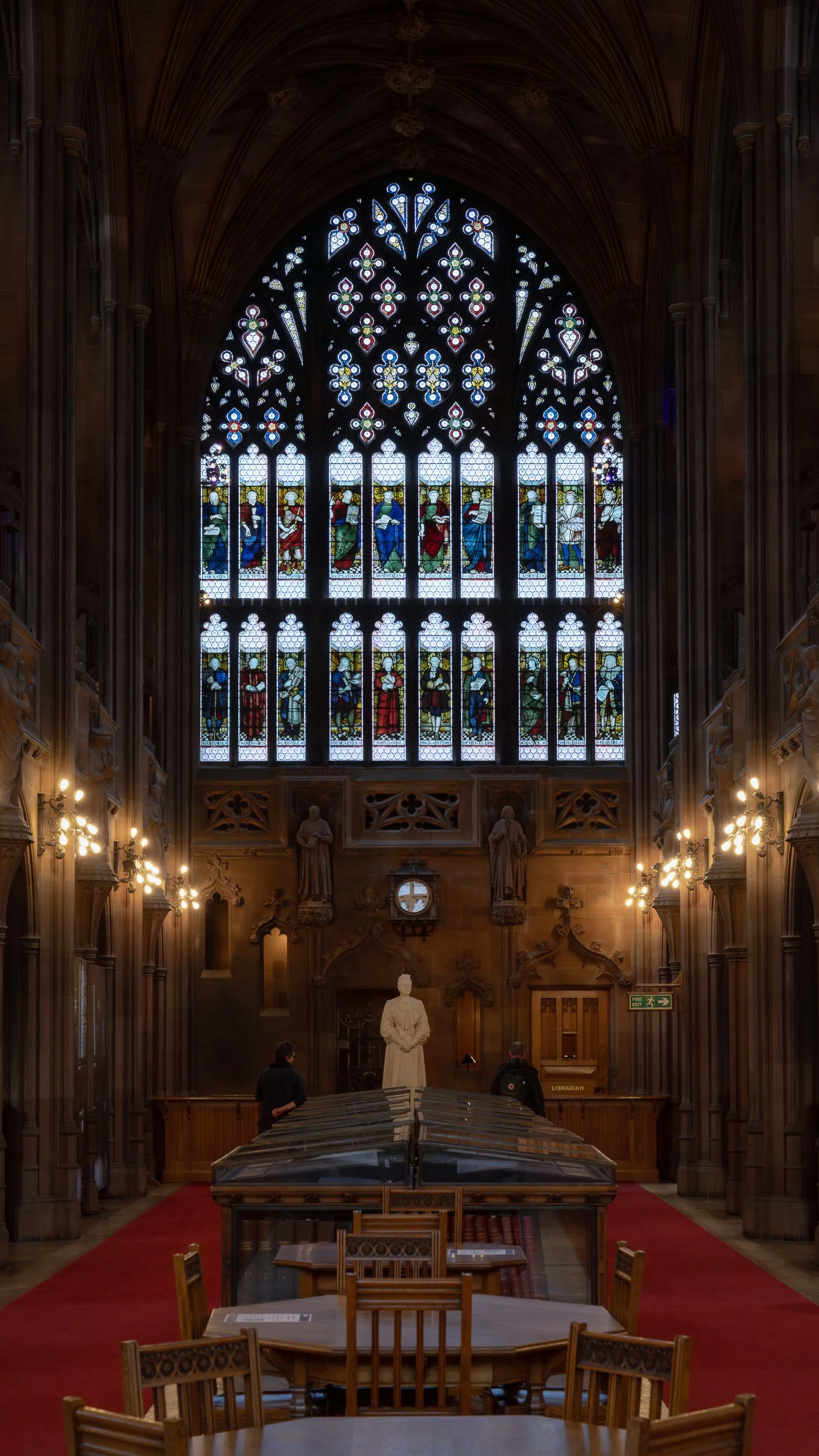
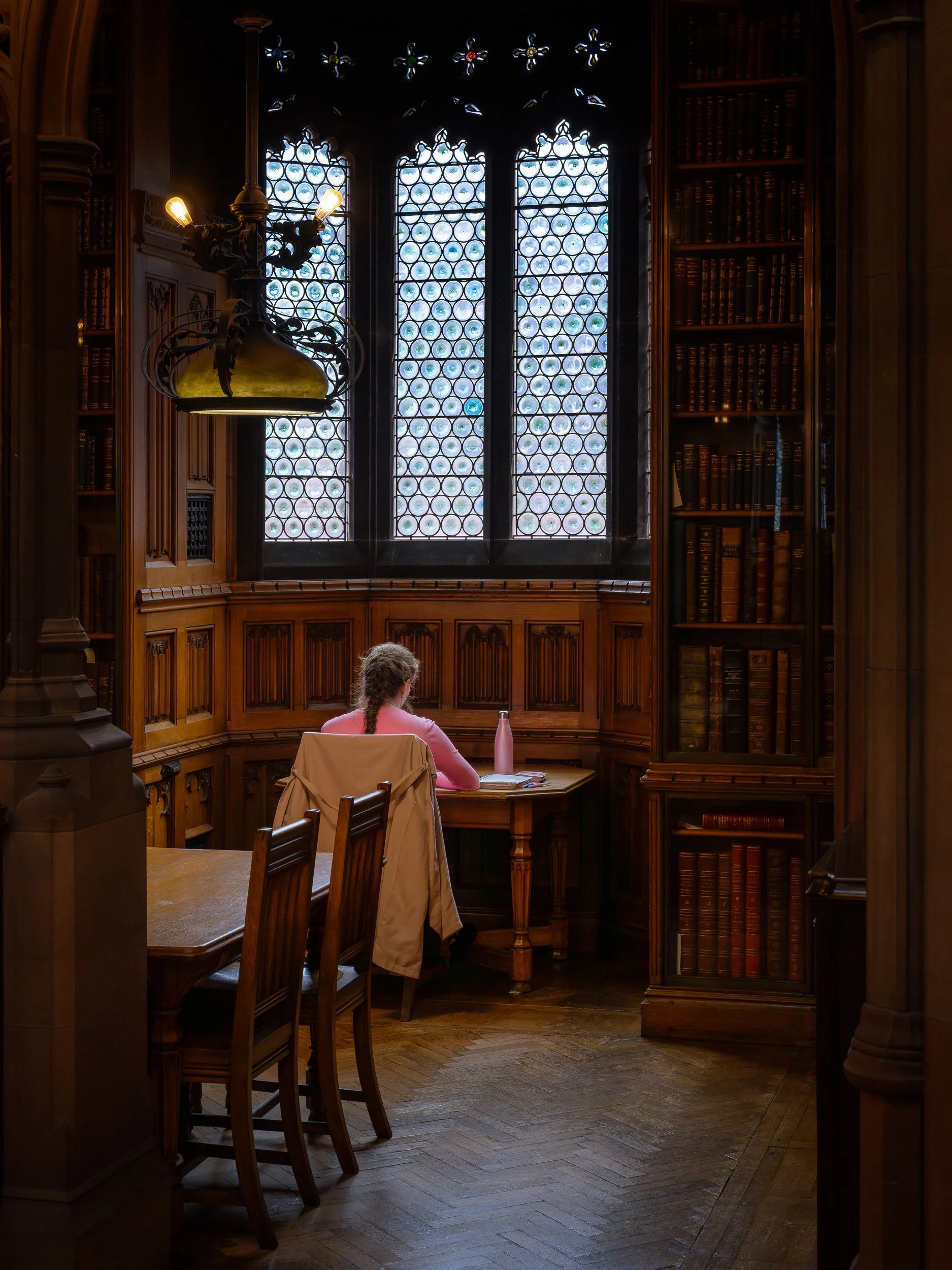
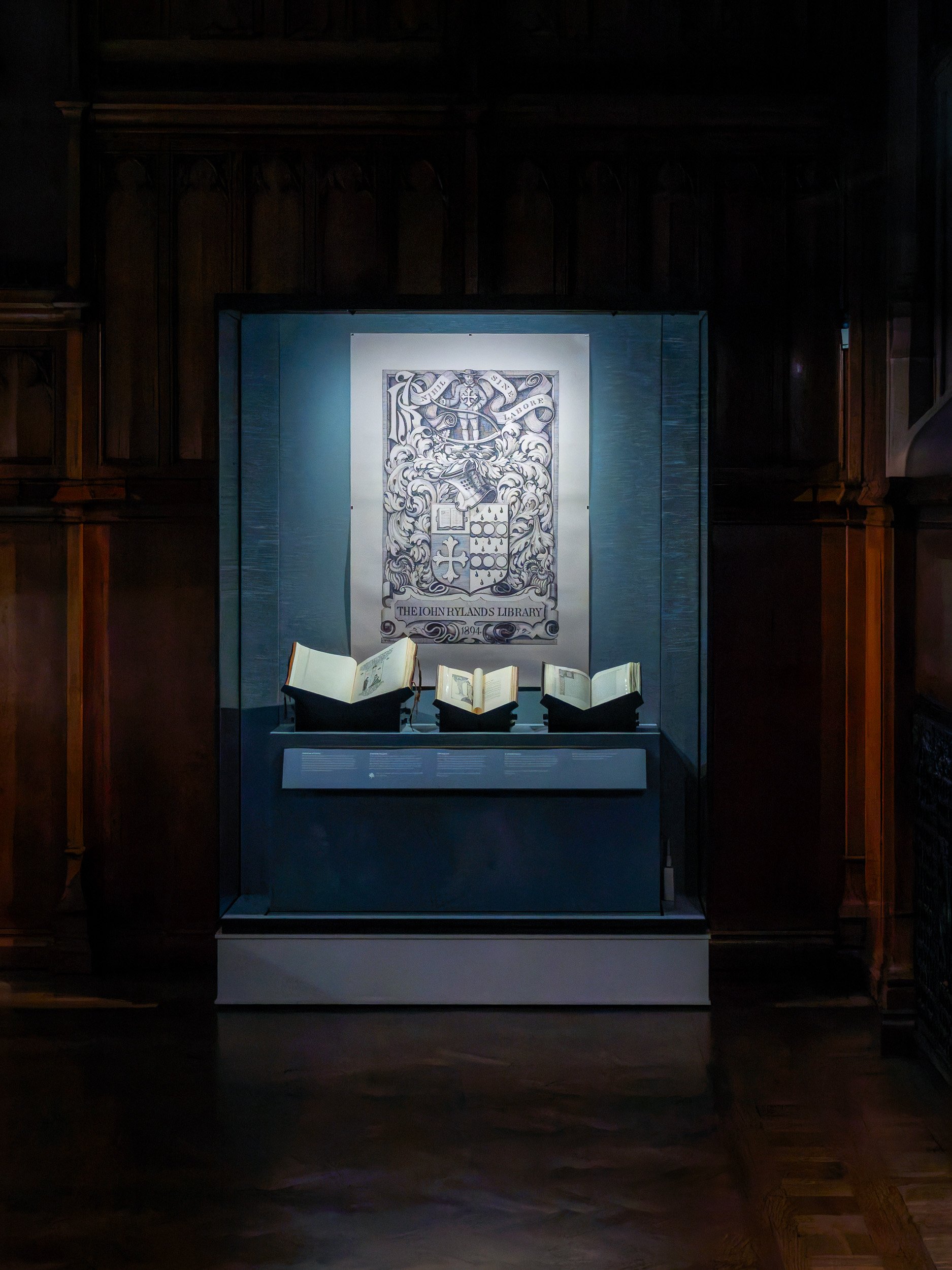
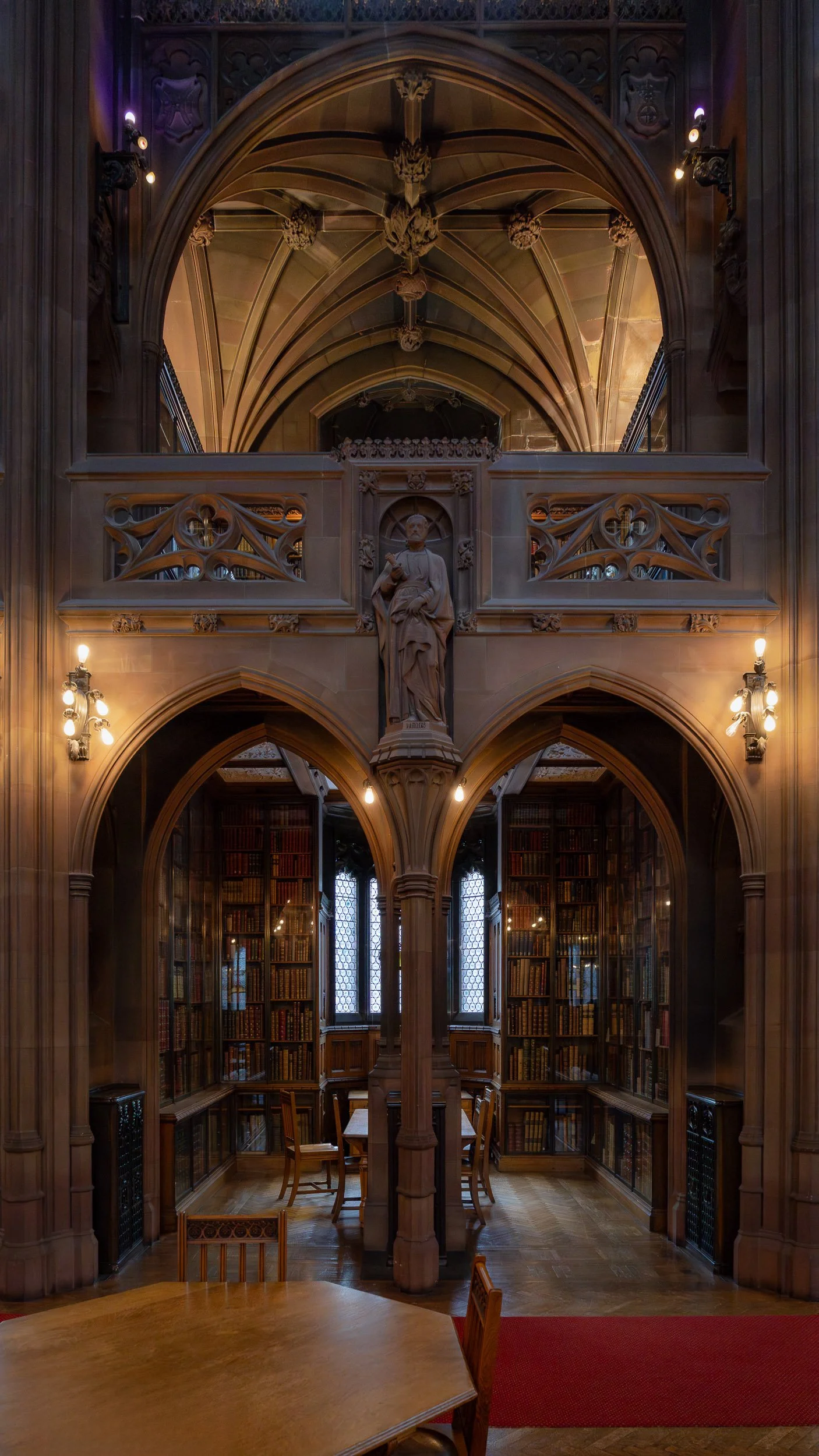
John Rylands Library
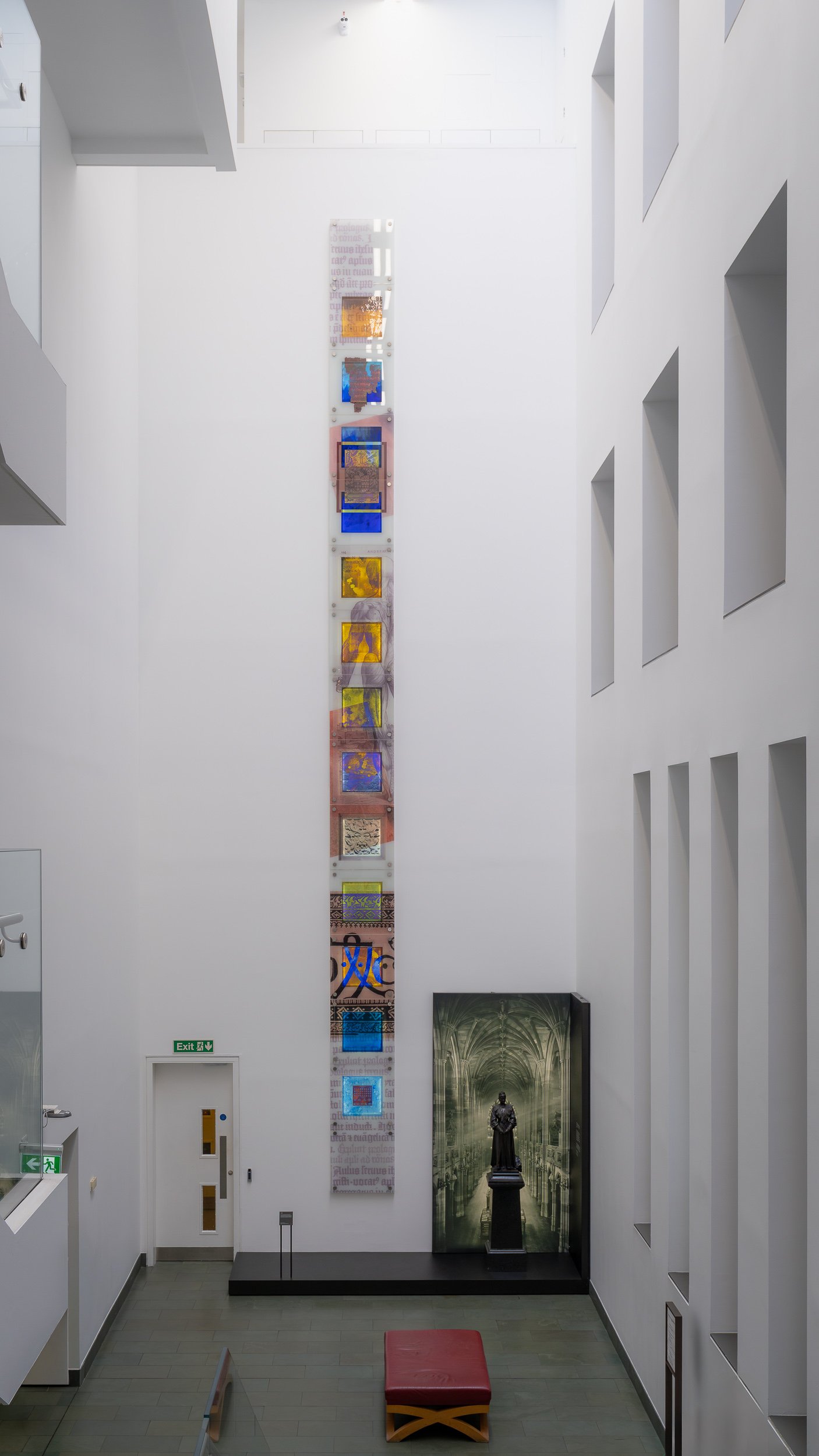
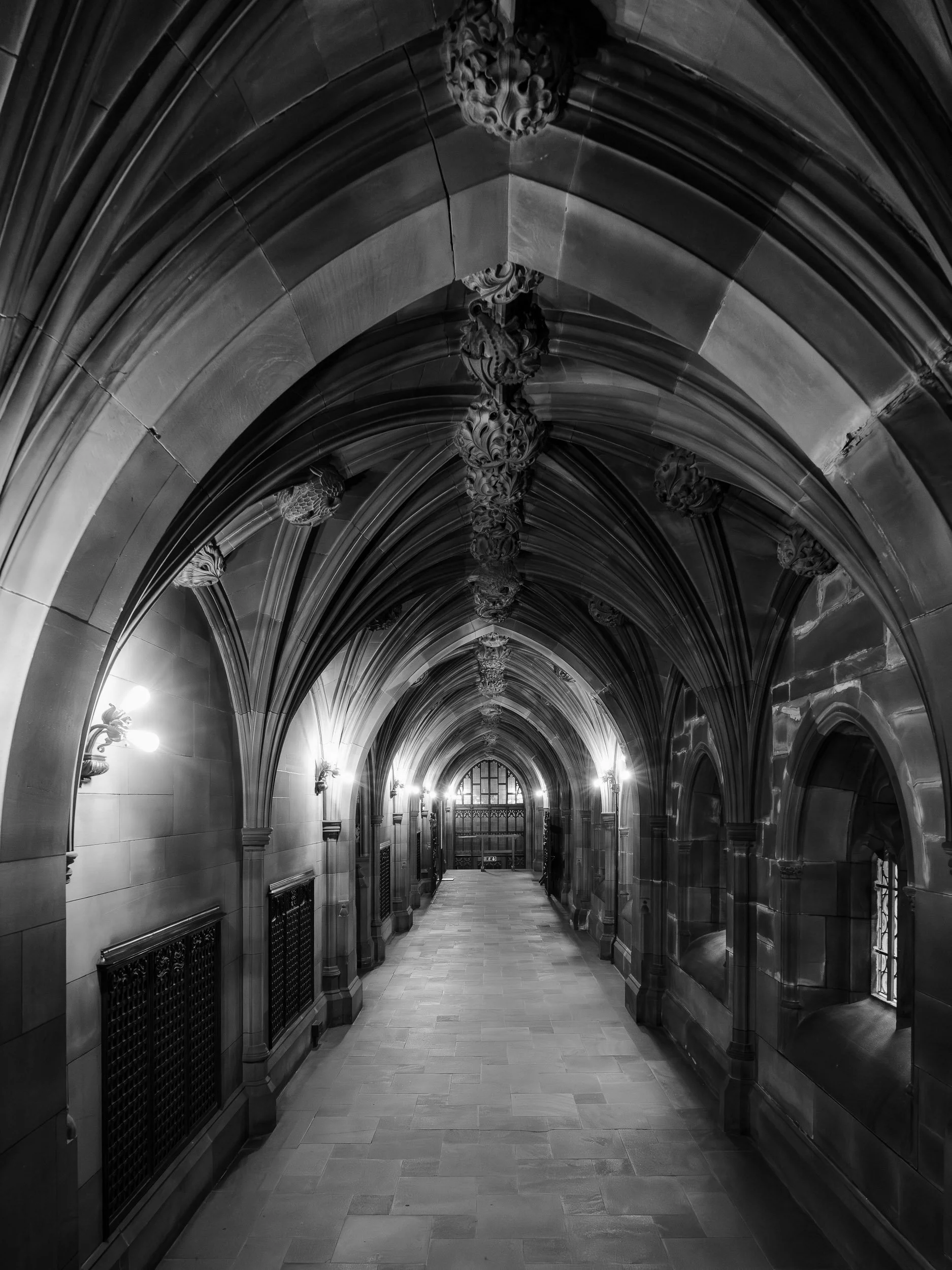
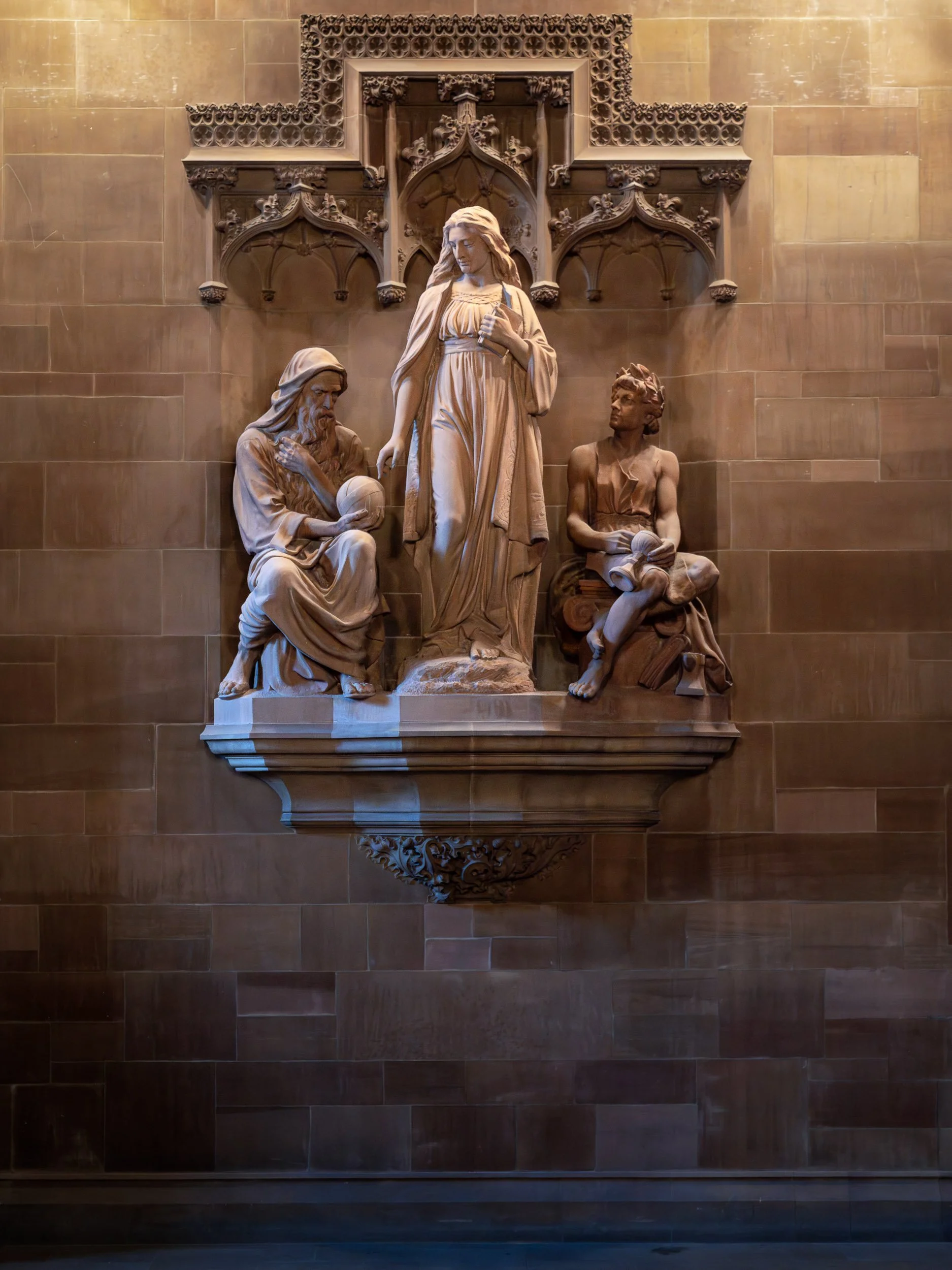
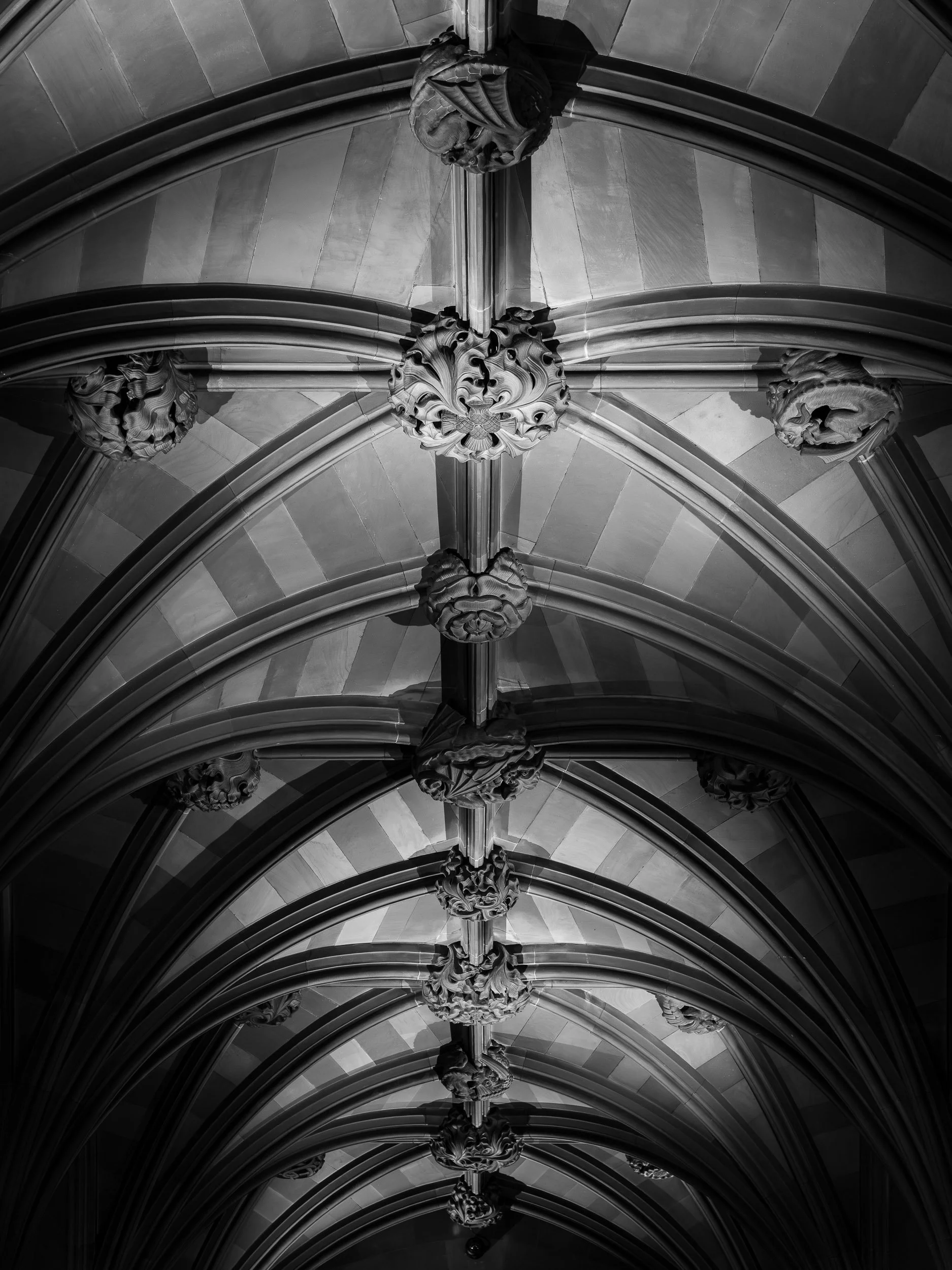
To finish on a high note, Manchester’s weather did it’s June thing forcing us to take shelter from the outpouring of liquid sunshine. We took refuge in the magnificent John Rylands Library and spent a happy hour or so wandering around this historic building.
John Rylands Library
Sony A7R V | 20mm f/5.6 1/125s ISO 1000
This is genuinely one of Manchester’s jewels and a visit is made even more compelling by the fact that entry is free and there are very few restrictions on photography. What makes it even more remarkable is that the library isn’t a monument to the past; it’s a working library and forms part of the University of Manchester. (Indeed, the full title is the John Rylands Research Institute and Library). Regardless, it’s worth an hour of anyone’s time and is an impressive example of the city’s cultural heritage…
Conclusion
This piece was a healthy reminder that I write this blog as much for myself as any audience. It’s a reflective tool as much as a outward facing narrative…
In terms of the Manchester trip, I’m not sure there is a conclusion; there’s more an open opportunity to return and not let another couple of decades slip by… People have said that Manchester has changed; I’m not sure that’s quite right. Manchester is changing; it’s a process that is happening now and the city will seemingly continue to evolve over many years. At the moment though, to my eye (and caveated by the fact that I was only there for a mere 48 hours) it still feels quite disjointed. New Manchester and Old Manchester don’t yet seem to have forged strong bonds or common purpose.
The other question I was asking myself as I wandered around the city was whether it still felt like home. The answer was a definitive ‘no’. I’ve simply been away too long and too much has changed. The city remains very much a part of my identity, but in the main I felt like a visitor rather than a returning son.
The best analogy I can find is this: if Manchester was the clay, Glasgow was the kiln. We built a life in Glasgow, brought up a family and forged careers. I get a much stronger sense of home travelling back west; Manchester was simply a nostalgic meander down memory lane…