Our last trip to Madeira was only eighteen months ago. We both enjoyed the holiday, but both felt that we’d only scratched the surface. So, when we were planning holidays for 2026, we decided that this could be a good option for some early winter sun.
As the date approached it seemed that the weather had different ideas, with the forecast suggesting heavy cloud and rain. Indeed, less than 24 hours after arriving we received a ‘stay at home’ alert from ANEPC (the Emergency and Civil Protection authority) warning of severe weather. The depression and accompanying rain and waves were severe, but mercifully by the following morning the worst had passed and the rest of the week was much better than anticipated.
After the storm… Ponta de São Lourenço (The Dragon’s Tail)
Leica Q3 | 28mm f/7.1 1/250s ISO 100
Funchal
In terms of human occupation, Madeira is relatively young with the first Portuguese settlers arriving in 1419. There are trees in Fanal that pre-date the towns and villages. The Old Town in Funchal does have plenty of character, history and visual variety. When the sun shines - which it did frequently - it shows off the cobbled streets, mosaiced squares and colourful buildings to great effect.
Colombo Platz, Funchal Old Town
Leica Q3 | 28mm f/8.0 1/200s ISO 100
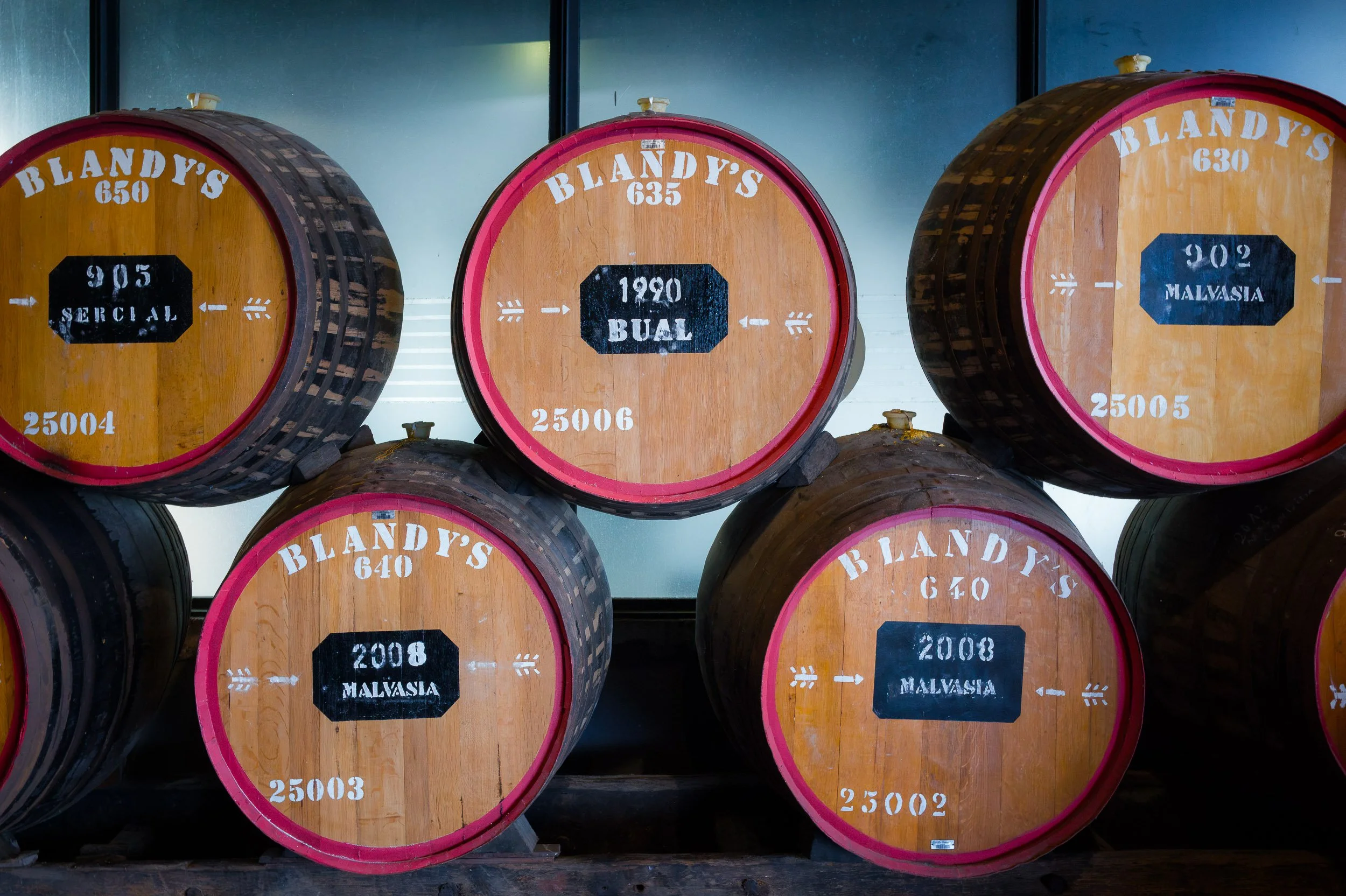
As with our last trip we based ourselves in Funchal Old Town, meaning that we were able to combine some of the places and streets we’d explore previously (for example the old fort and the market) with some destinations that we’d skipped on our last visit, including a tour of Blandy’s Wine Lodge and a walk up to the Convent of Santa Clara. The latter managed the trick of being both ornate and incredibly tranquil.
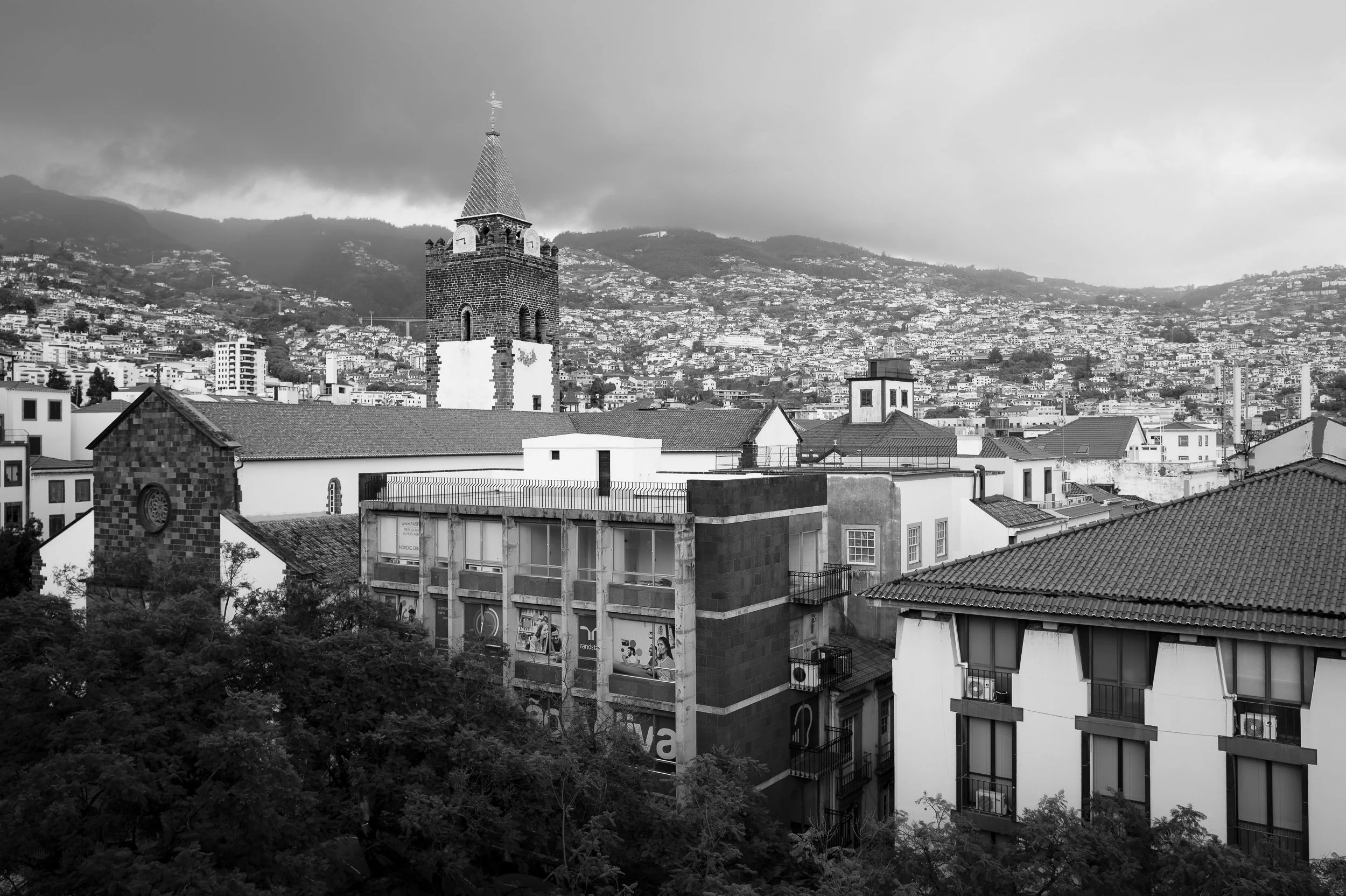
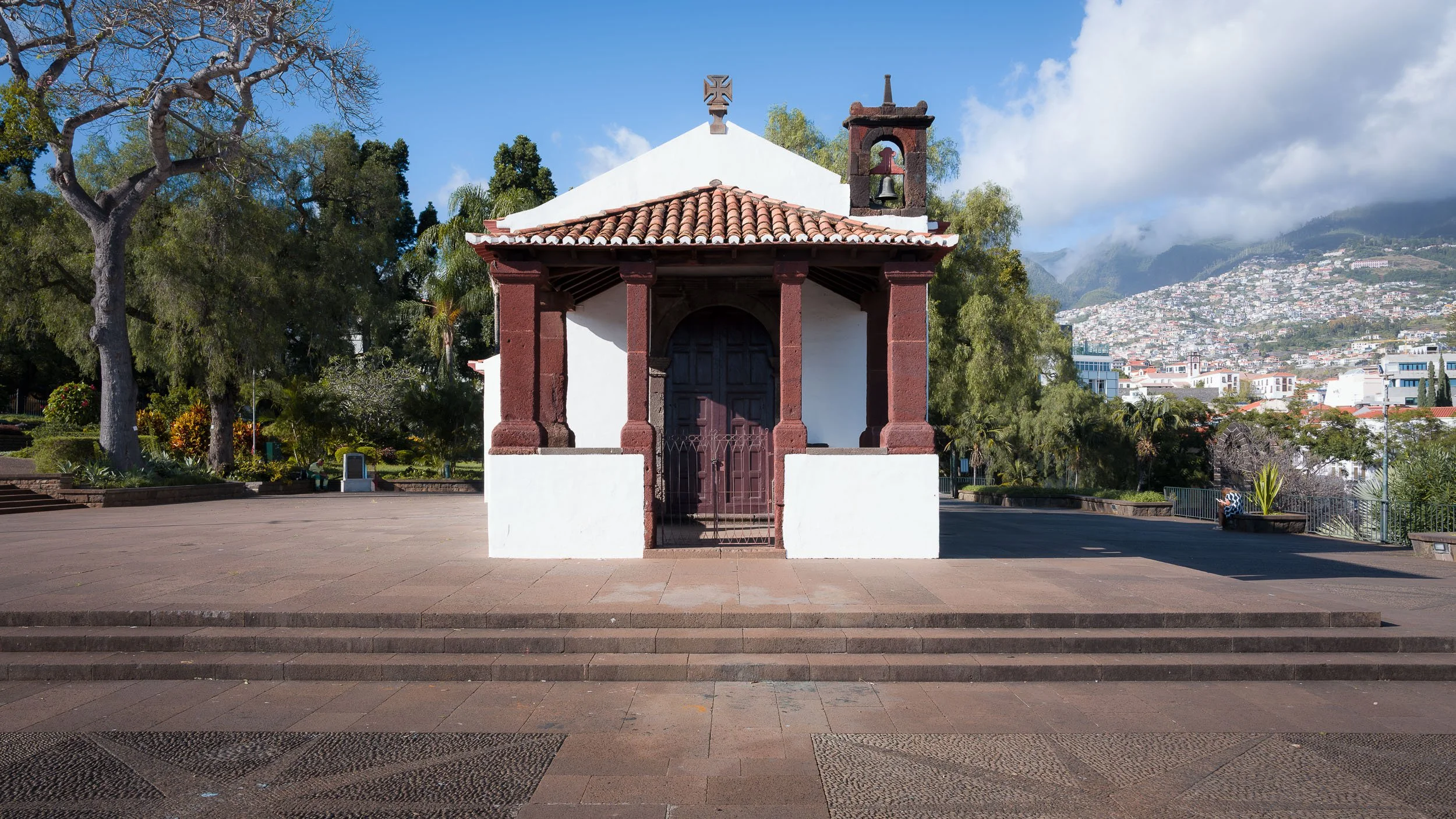
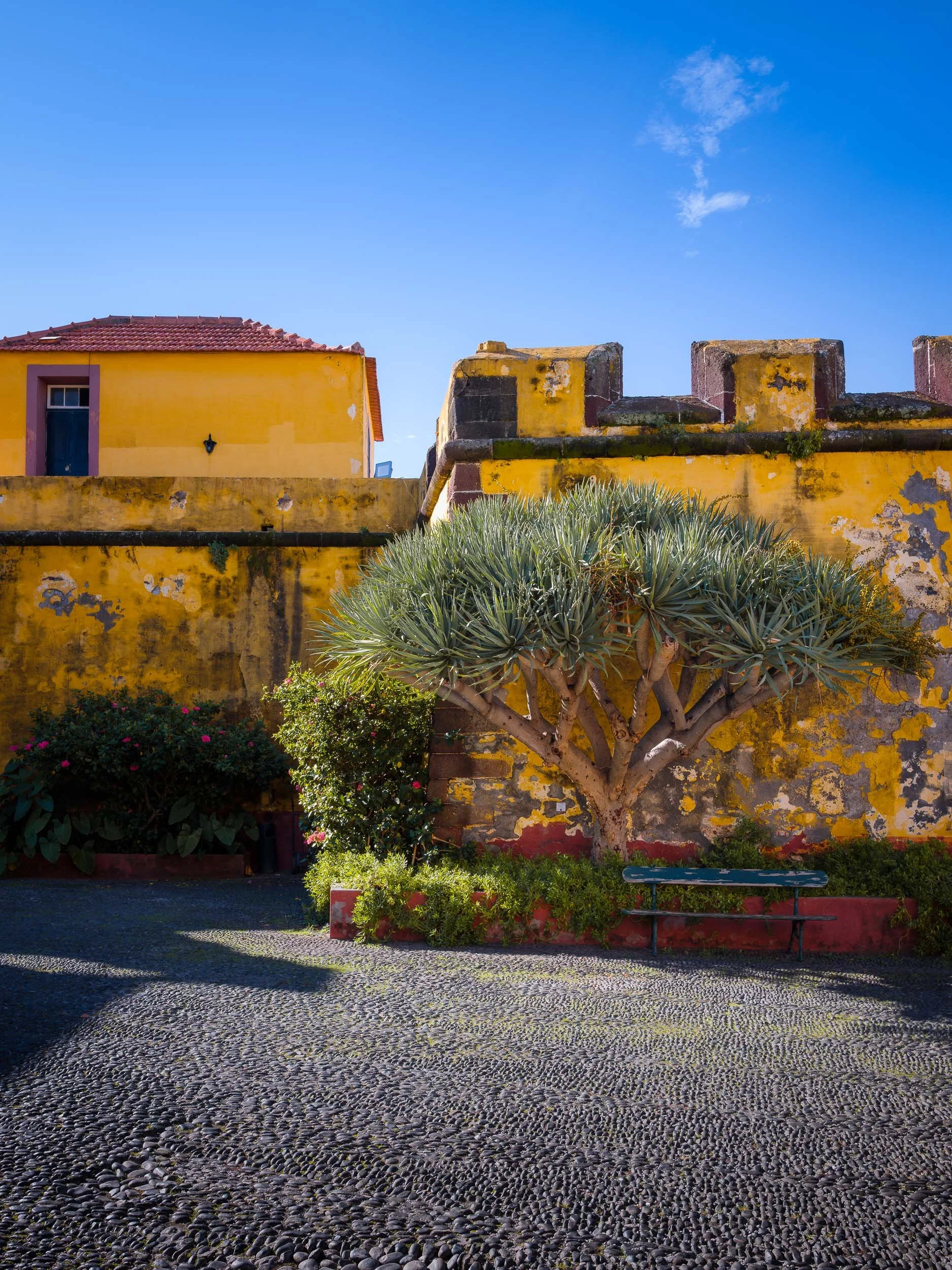
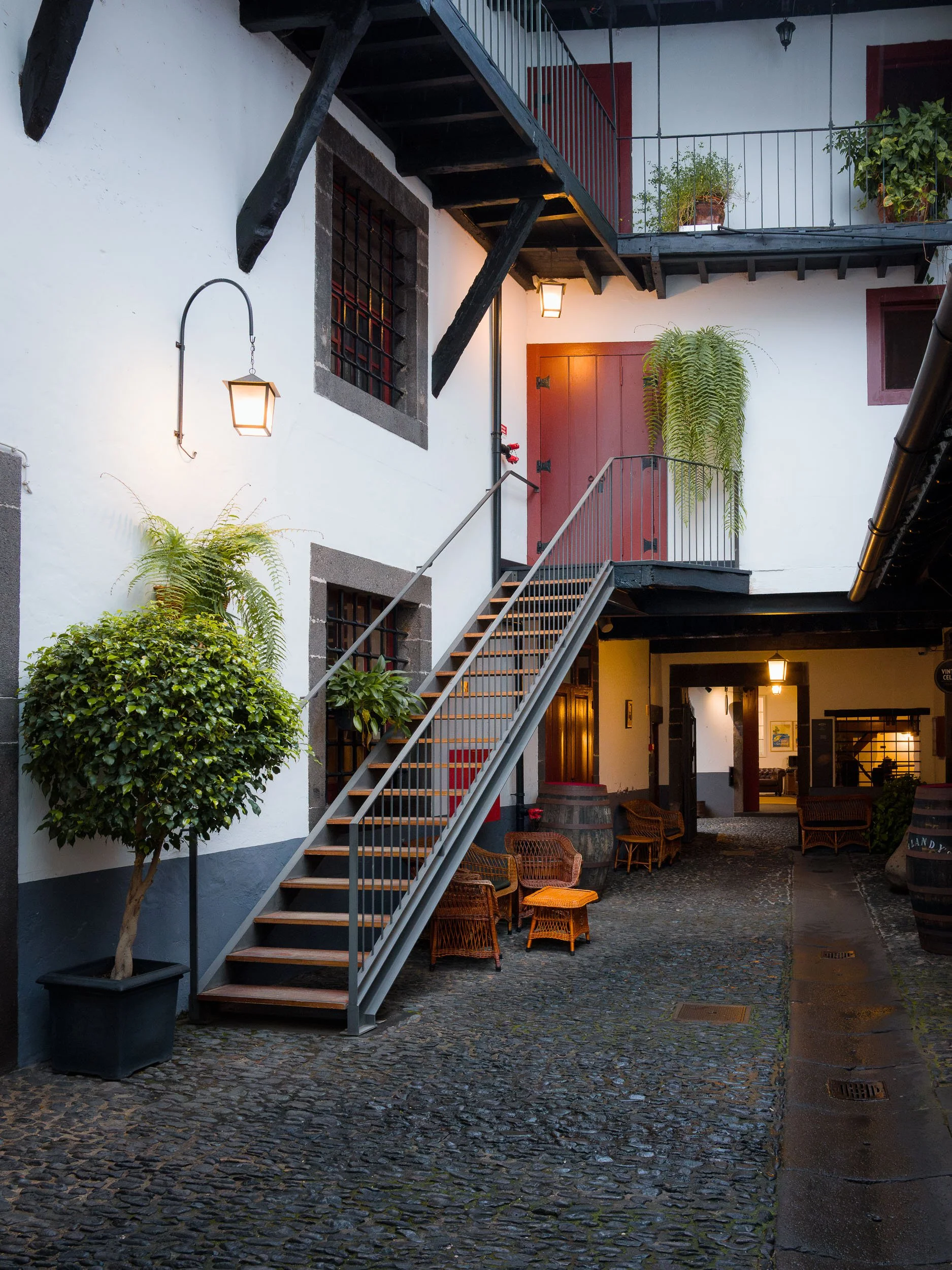
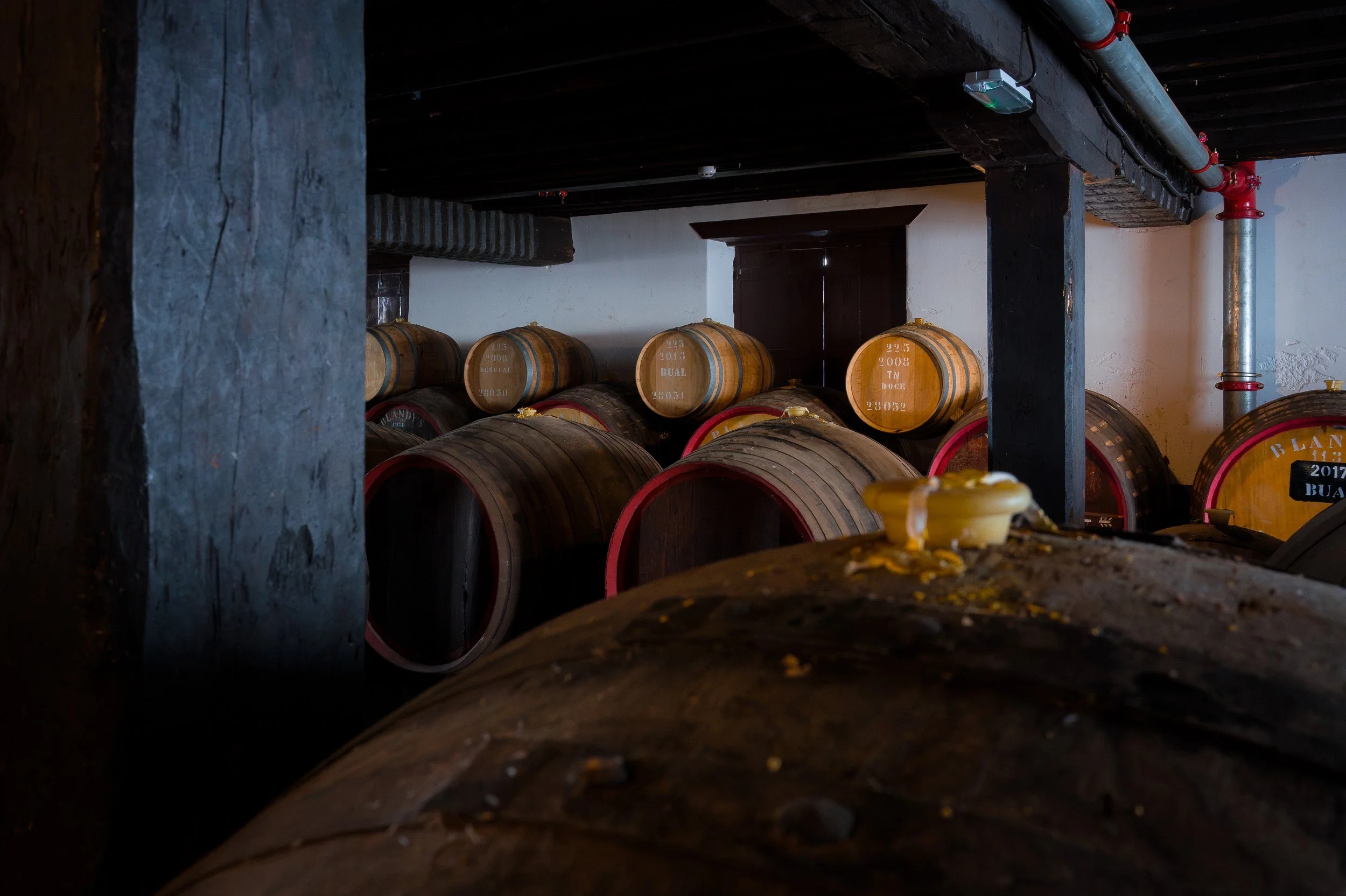
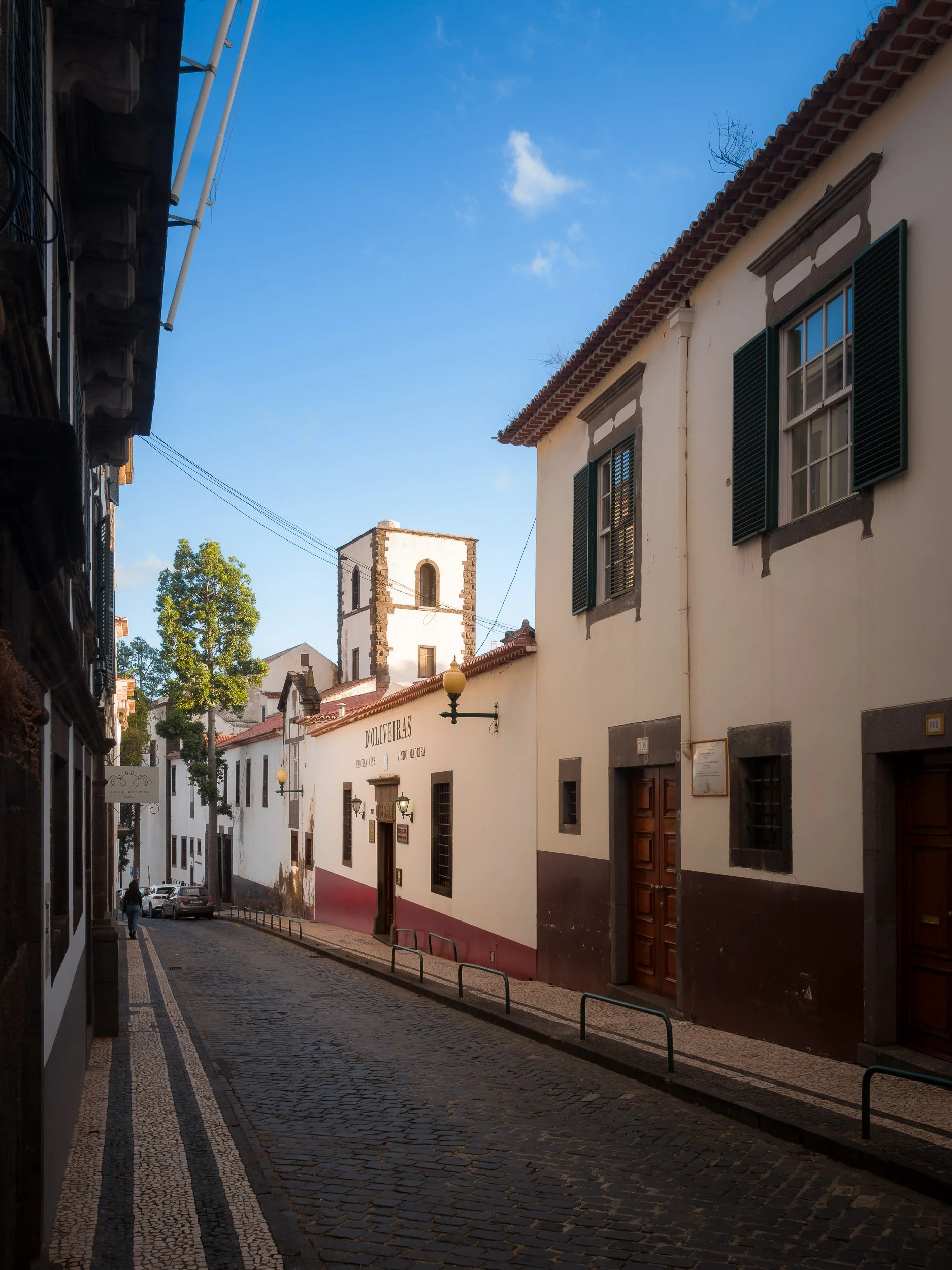
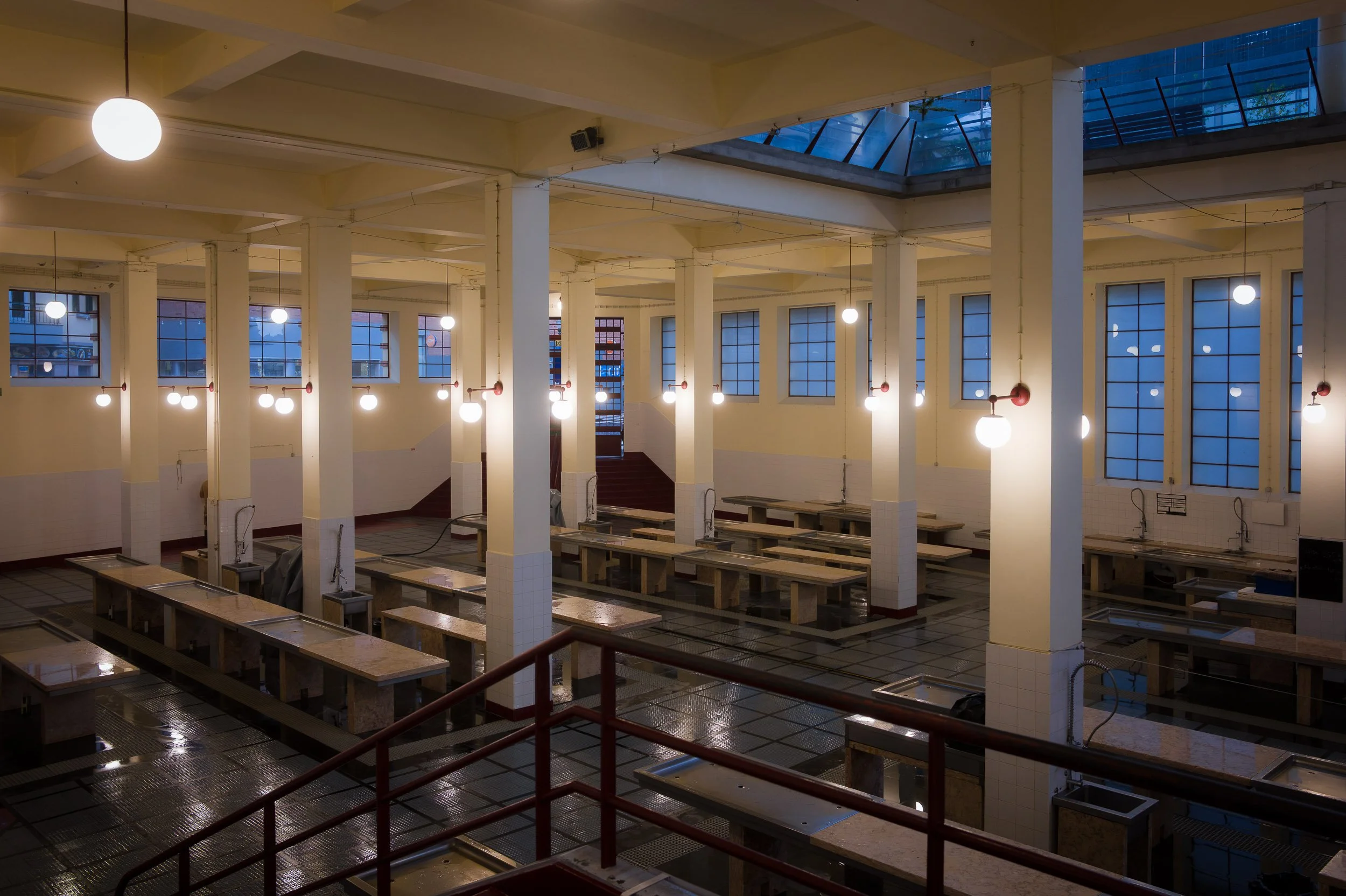
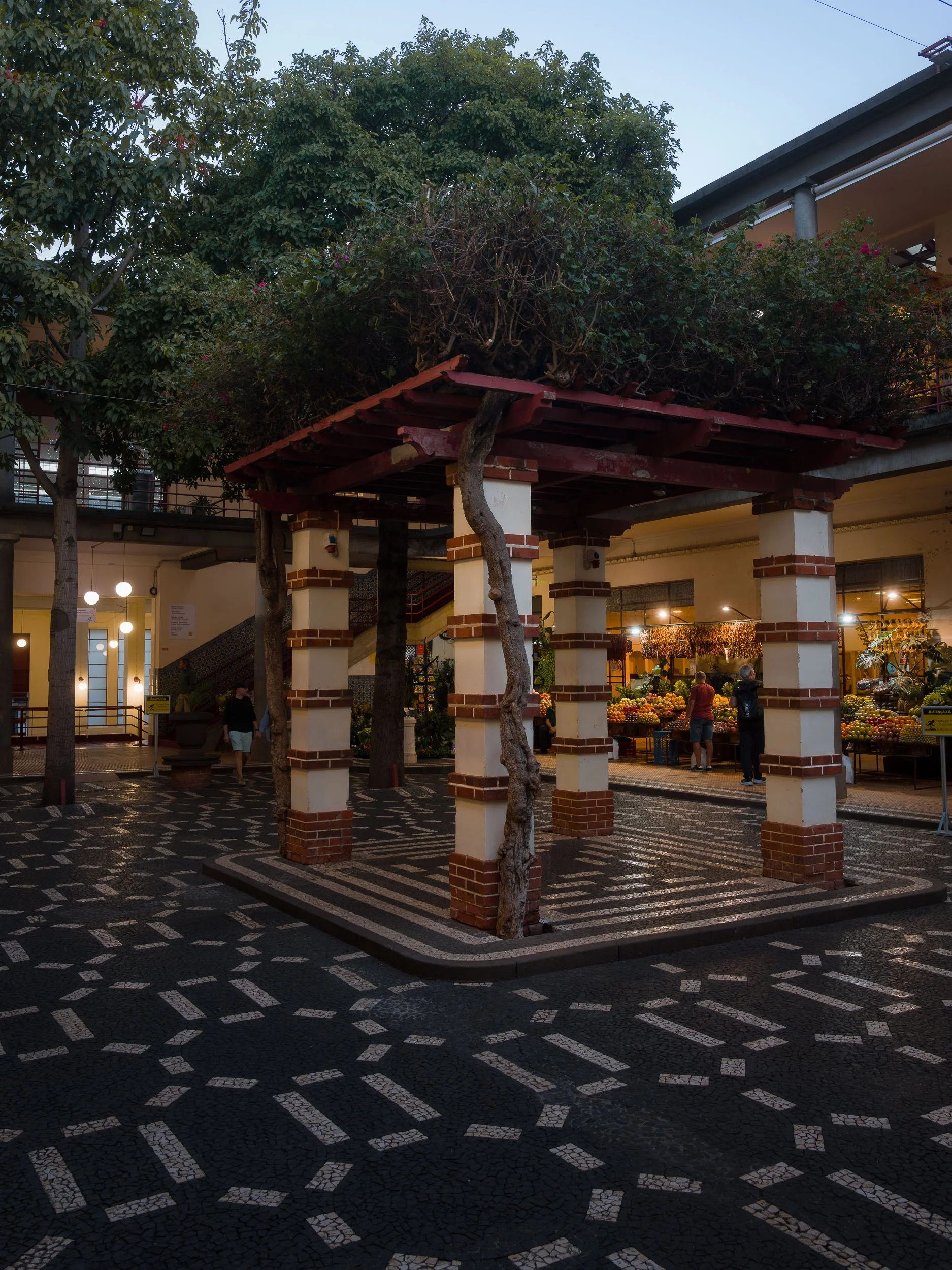
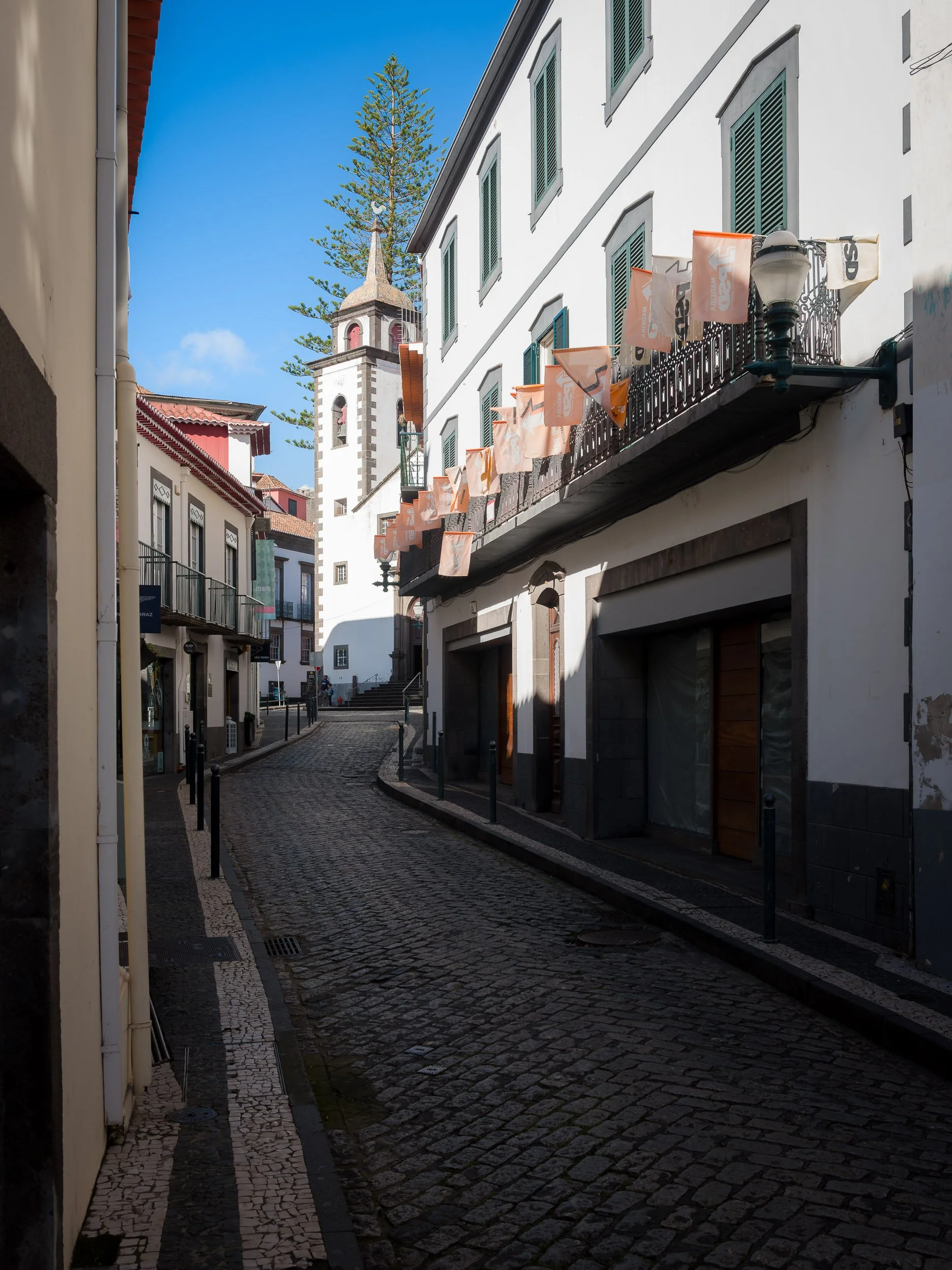
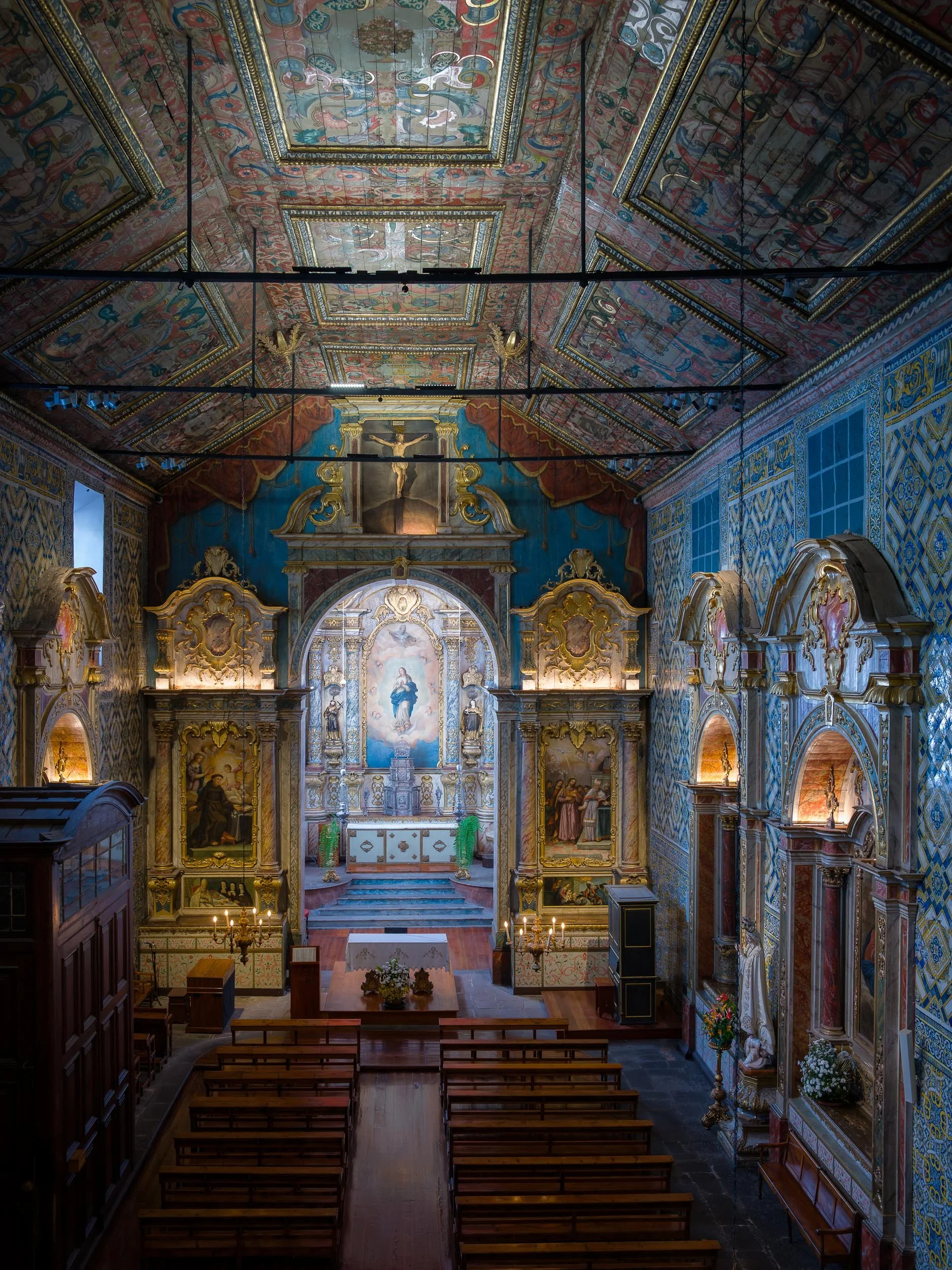
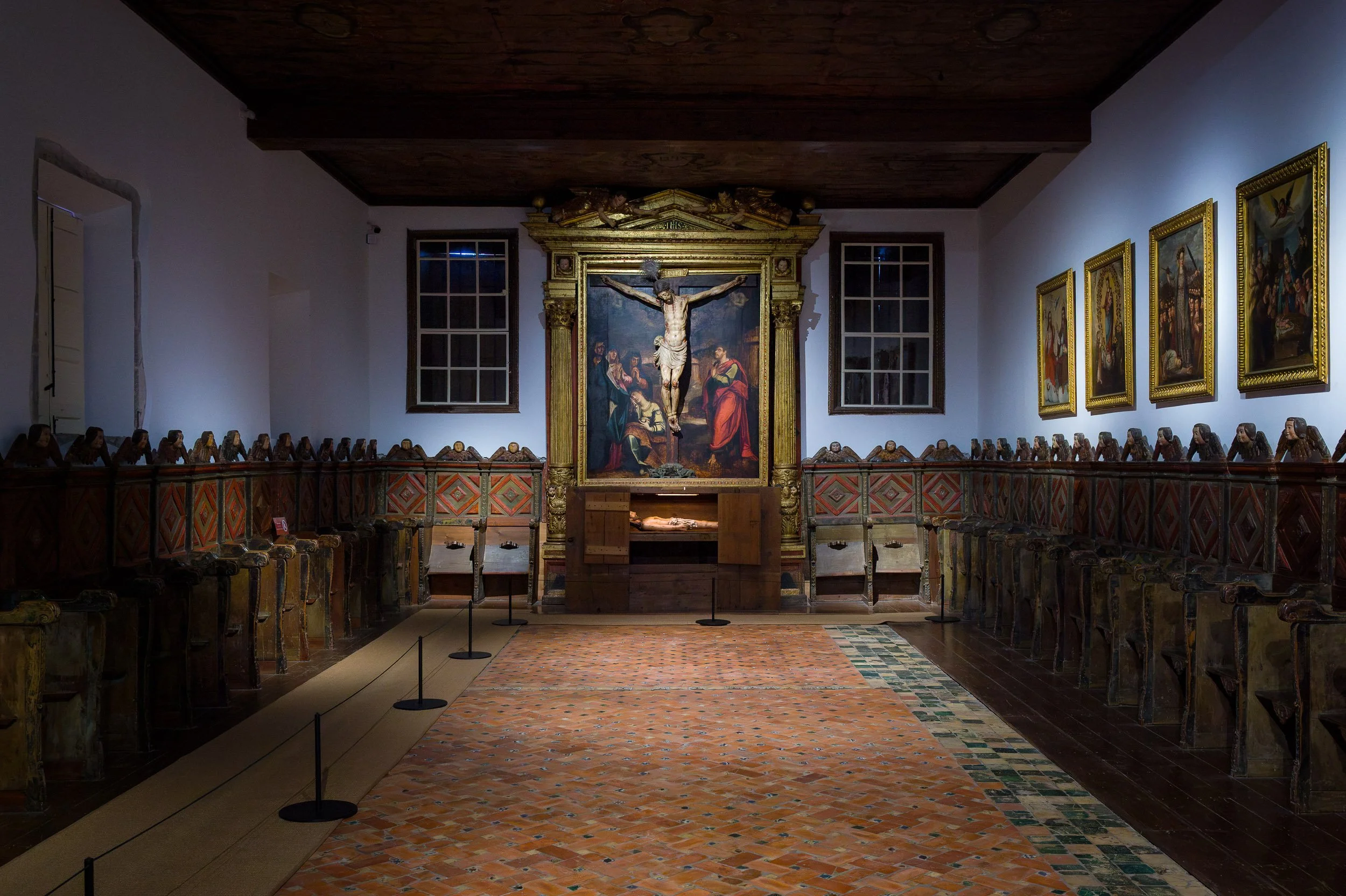
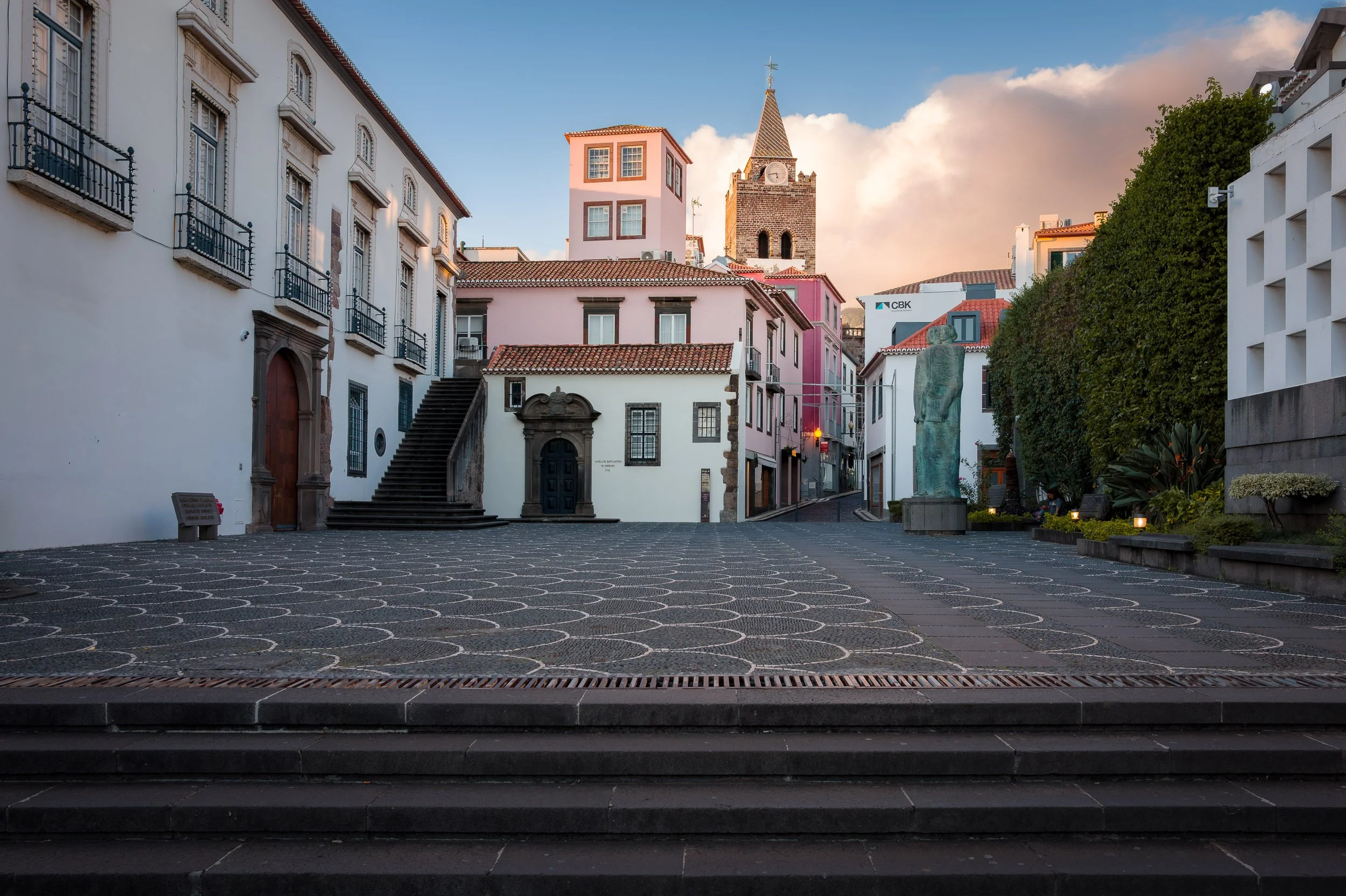
Clicking on any image on this page will show a full-sized version of the image
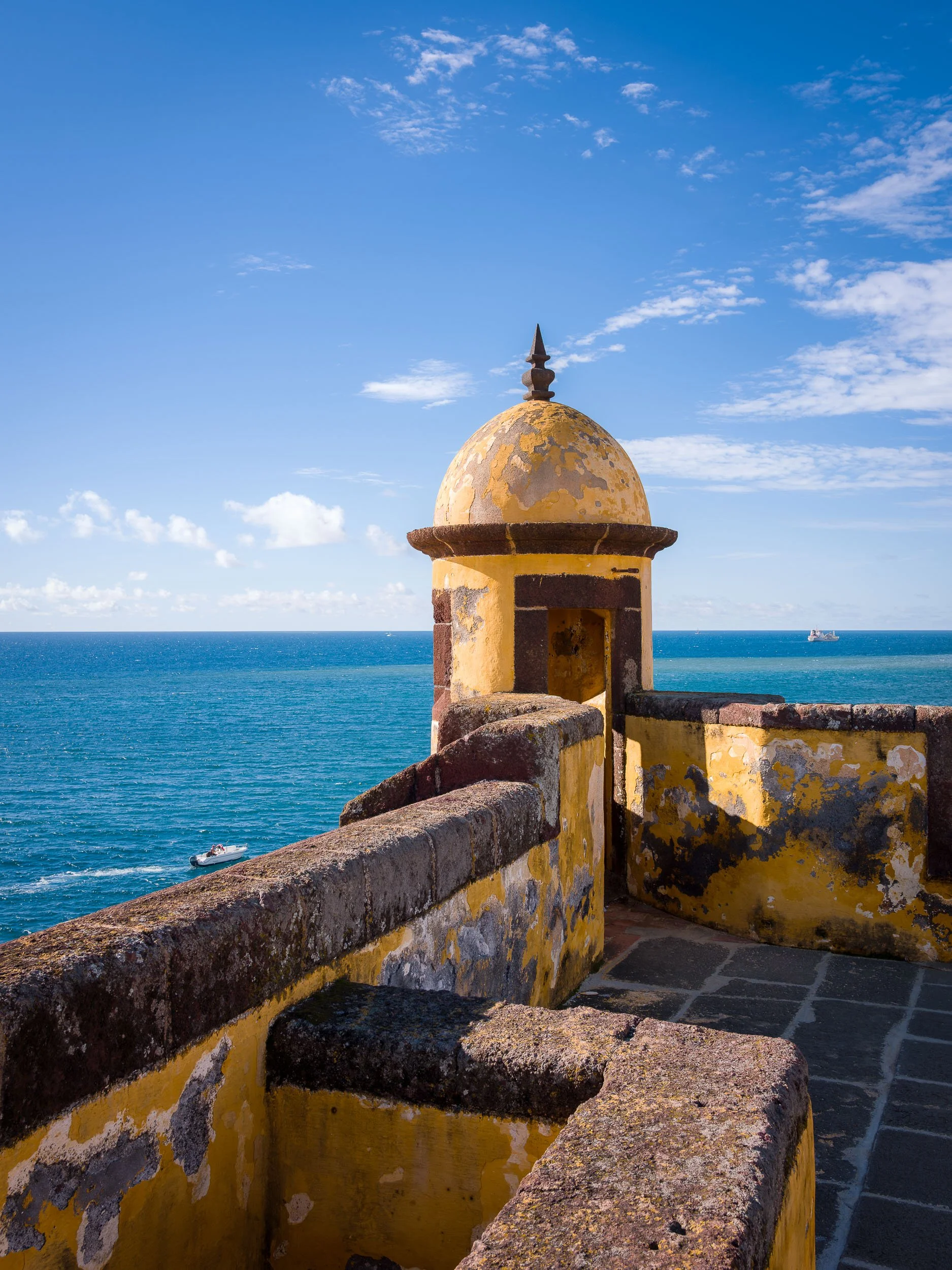
Old fortifications and new visitors…
Leica Q3 | 28mm f/8.0 1/250s ISO 100
The character of the waterfront areas is very different. The emphasis is much more on functionality, be that sea defence, port facilities for the constant cruise ship traffic and, further down the coast, a plethora of resort hotels catering for the tourist trade. In the right light and conditions it’s still an attractive place to wander…
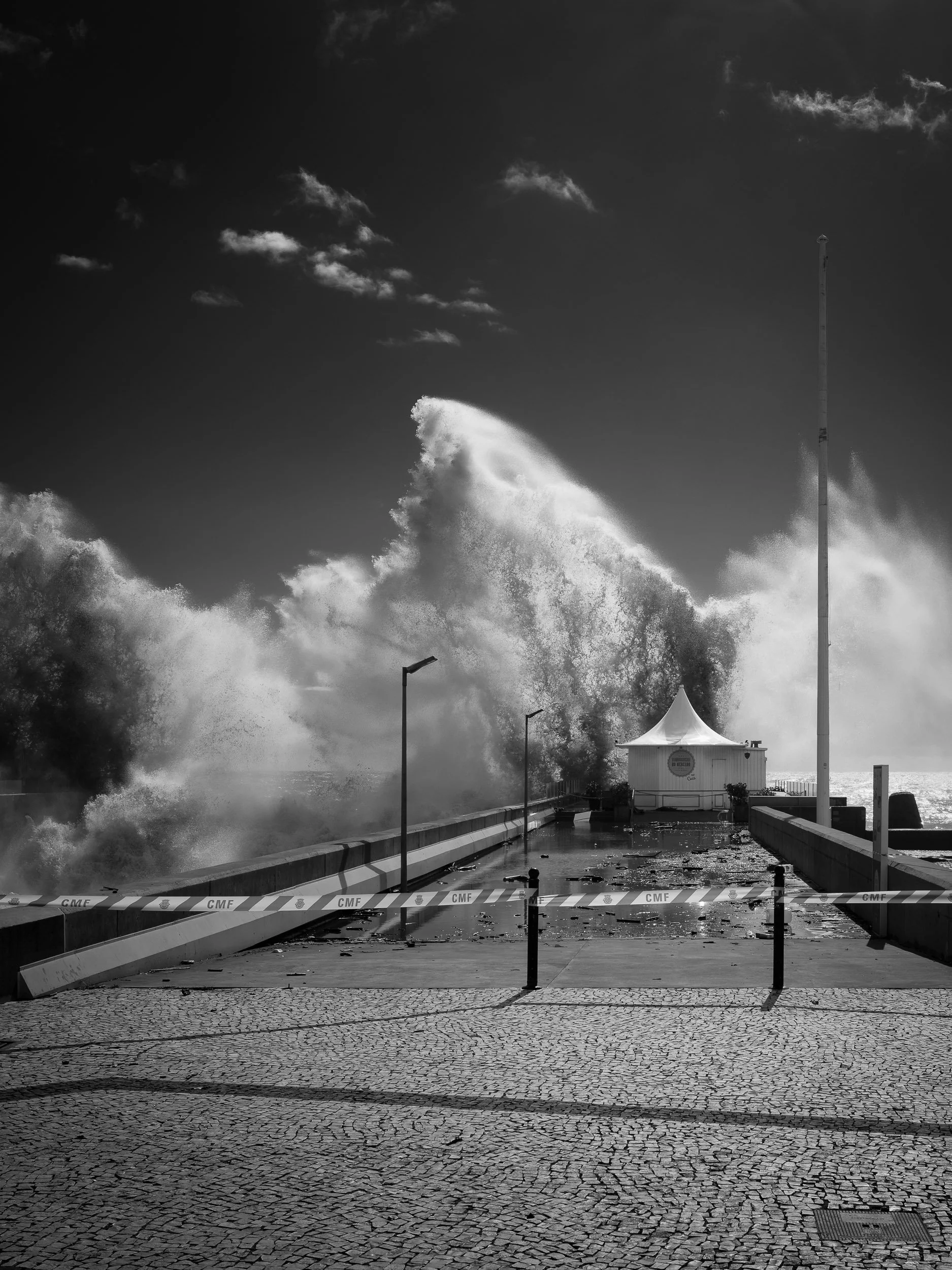
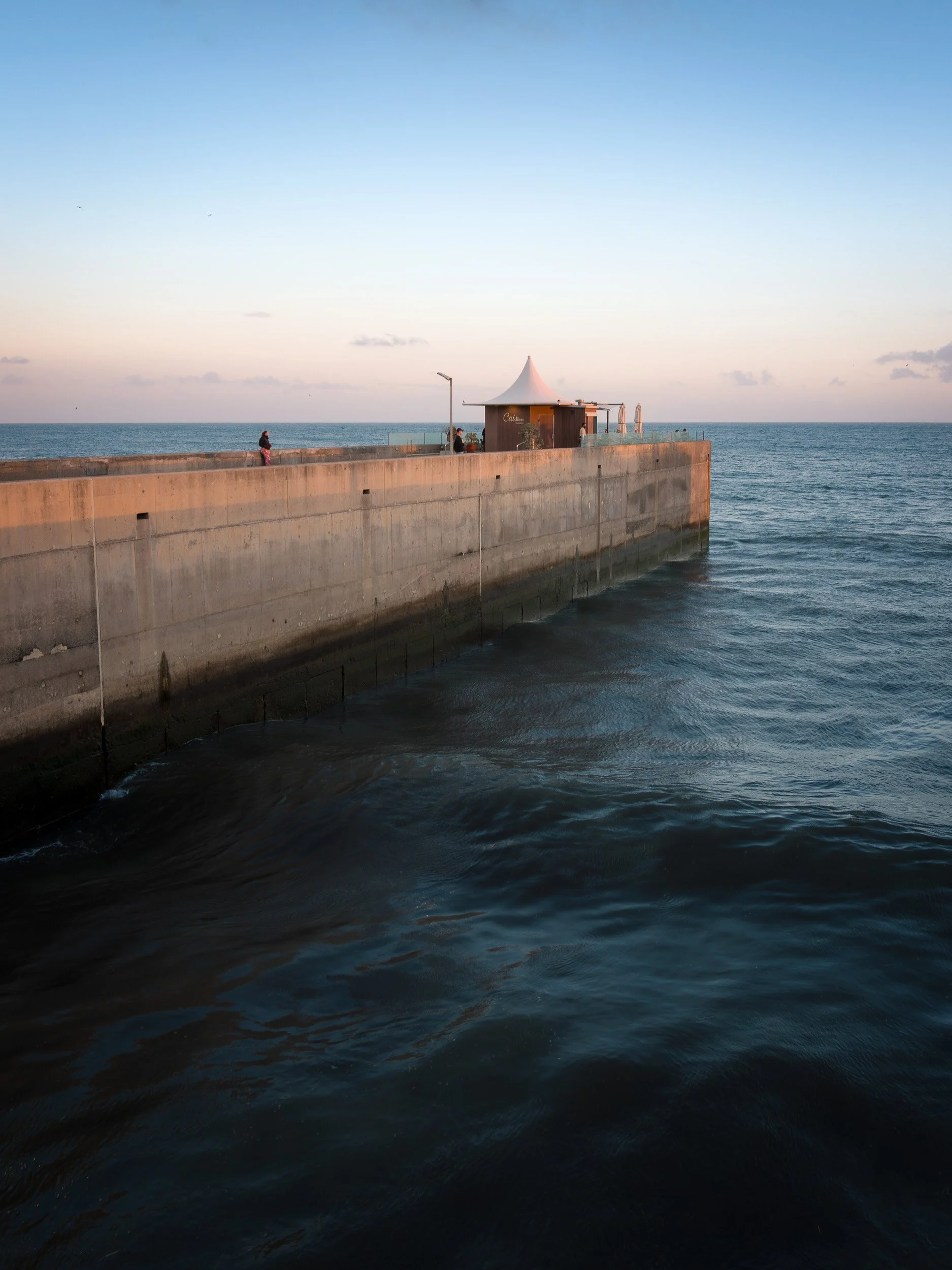
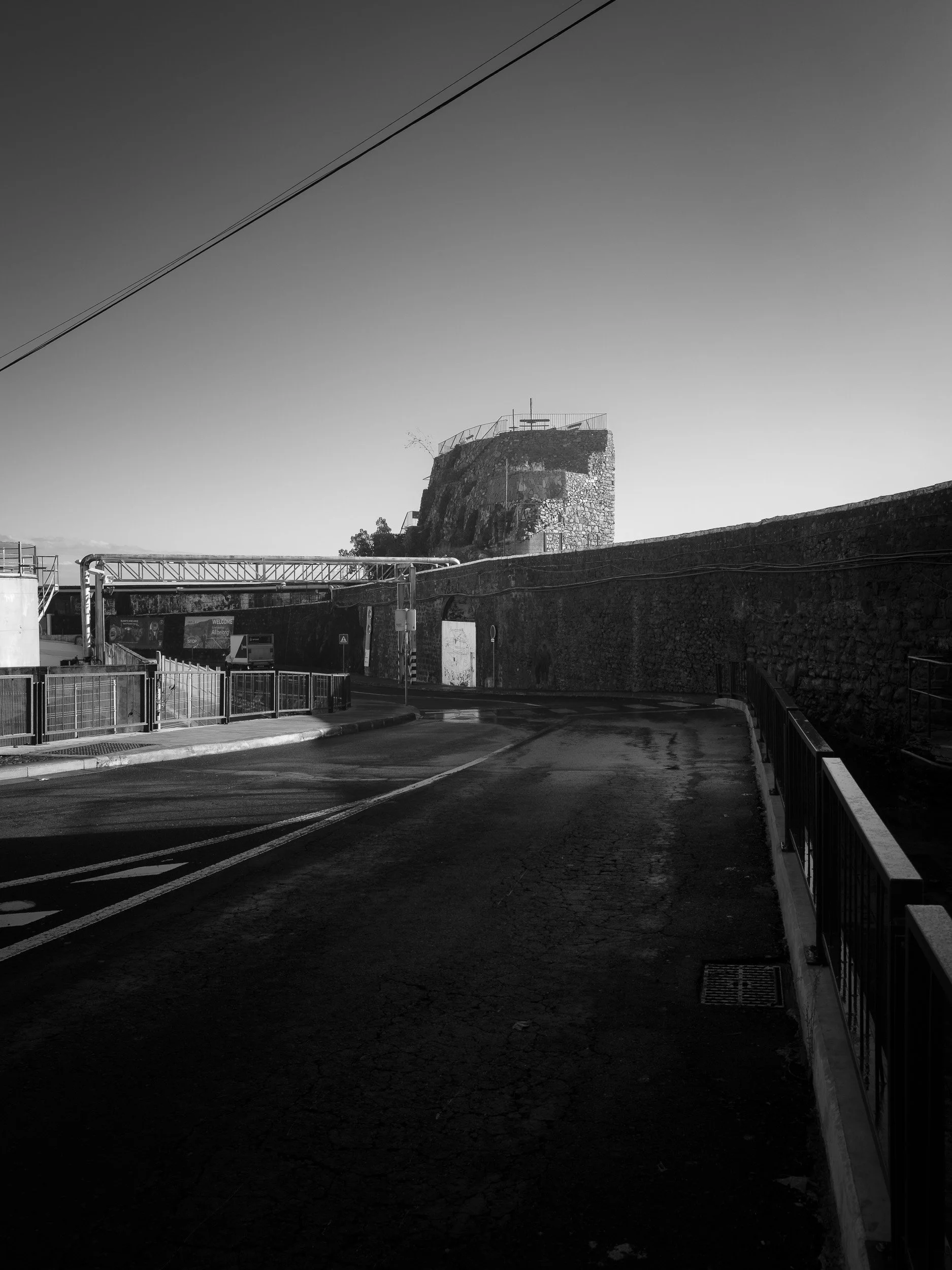
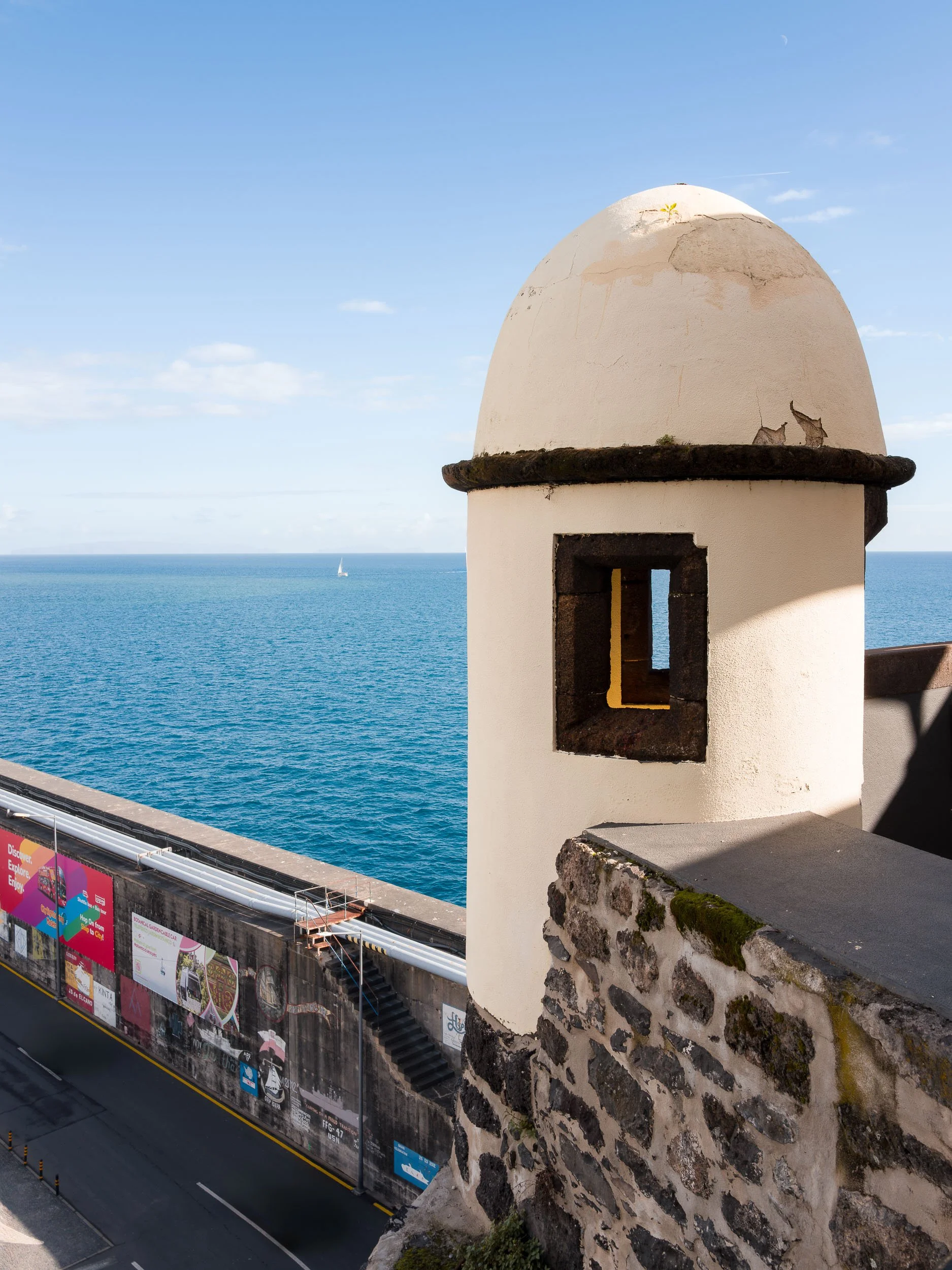
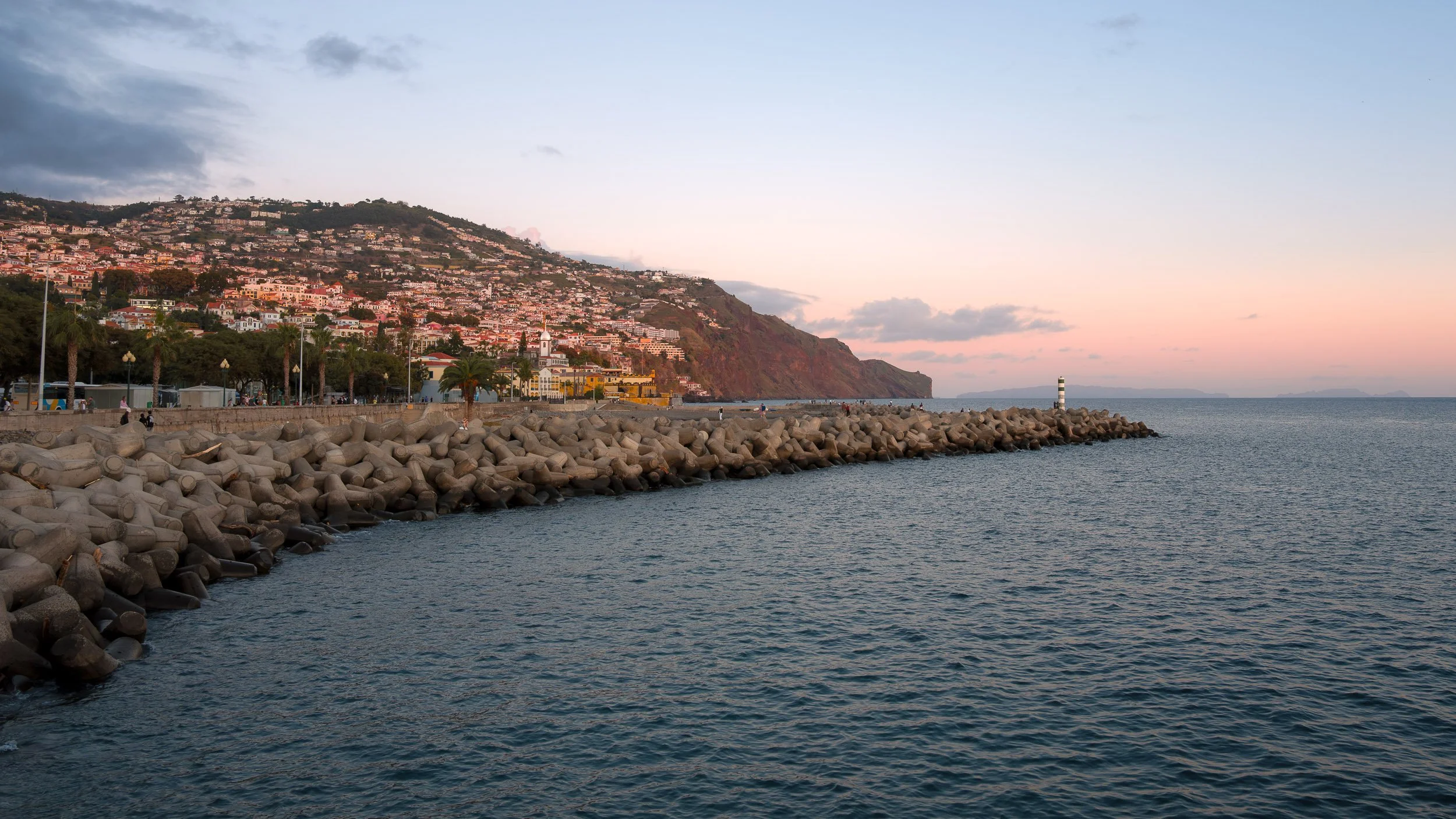
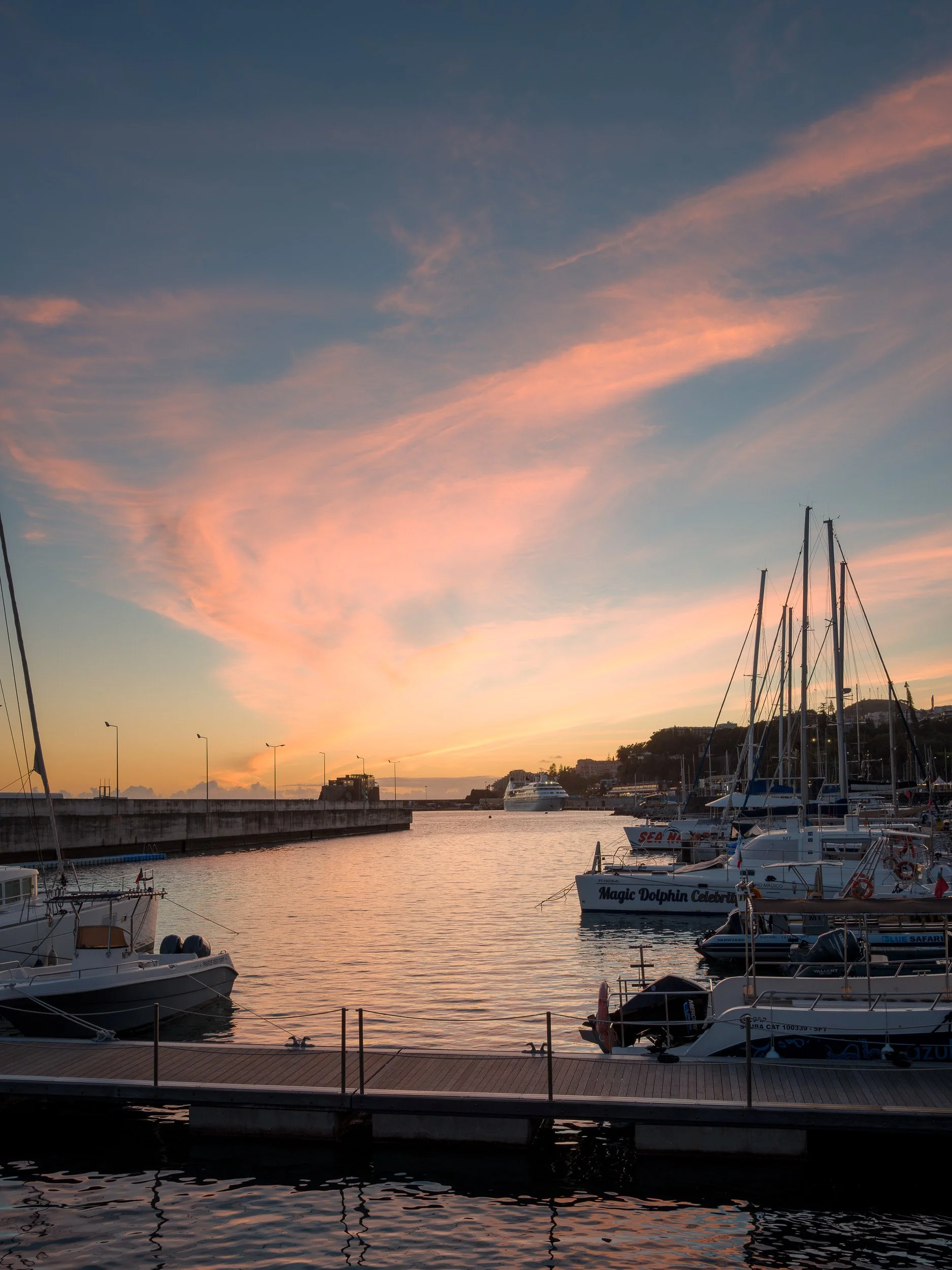
There’s no escaping the fact that Madeira is a tourist destination, with tourism the largest contributor, accounting for roughly a third of the economy of the island. This is not a new phenomenon; the photographic museum has a short AV from the 1920s showing the many attractions for cruise ship passengers.
What has changed is the scale of cruise ship traffic, which has close to doubled in the last five years. An extended season, together with the growth of megaships, has seen the number of passengers and crew visiting the island tip over one million per annum. In practical terms, this means that we needed to time some of our exploration to avoid the waves of tour groups hitting the city.
The debate about the benefits of this trade is an active one. Malta and Rhodes also experience similar issues, and even Lewis is starting to build infrastructure to accommodate an increased influx. While cruise ships can build prestige and raise profile for a destination, the direct benefits can be limited given that the typical spend per passenger per day is minimal compared to those staying on the island. It’s not a debate that’s likely to be settled anytime soon…
Harbour Lights
Leica Q3 | 28mm f/8.0 1/50s ISO 6400
Botanical Gardens
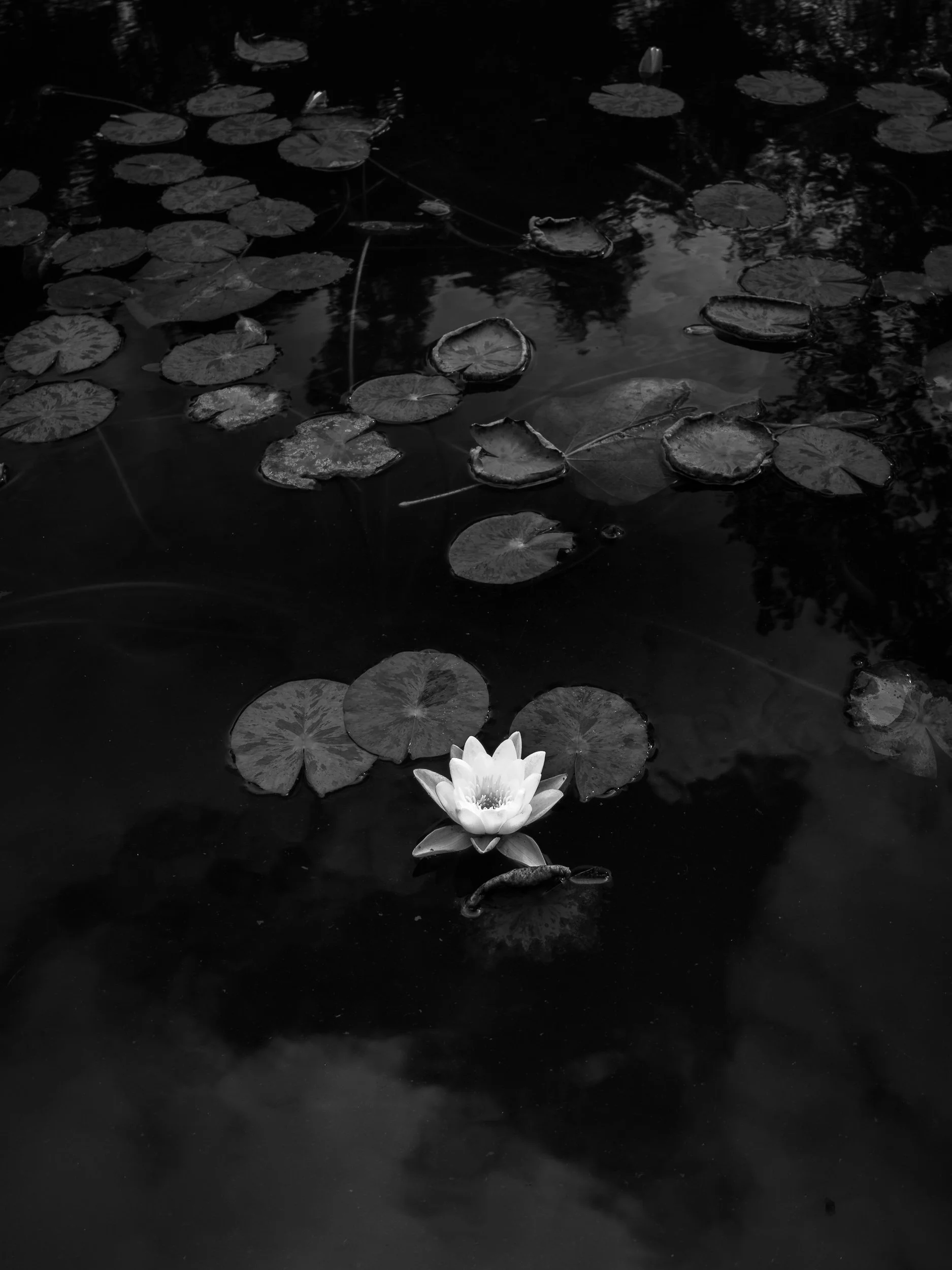
For a smallish island Madeira, and Funchal in particular, seems to have an enthusiasm for botanical gardens. We counted at least seven in striking distance of Funchal. We do like a garden and managed to spend some time in two; the Monte Palace Garden and, at a higher altitude, the Palheiro Gardens.
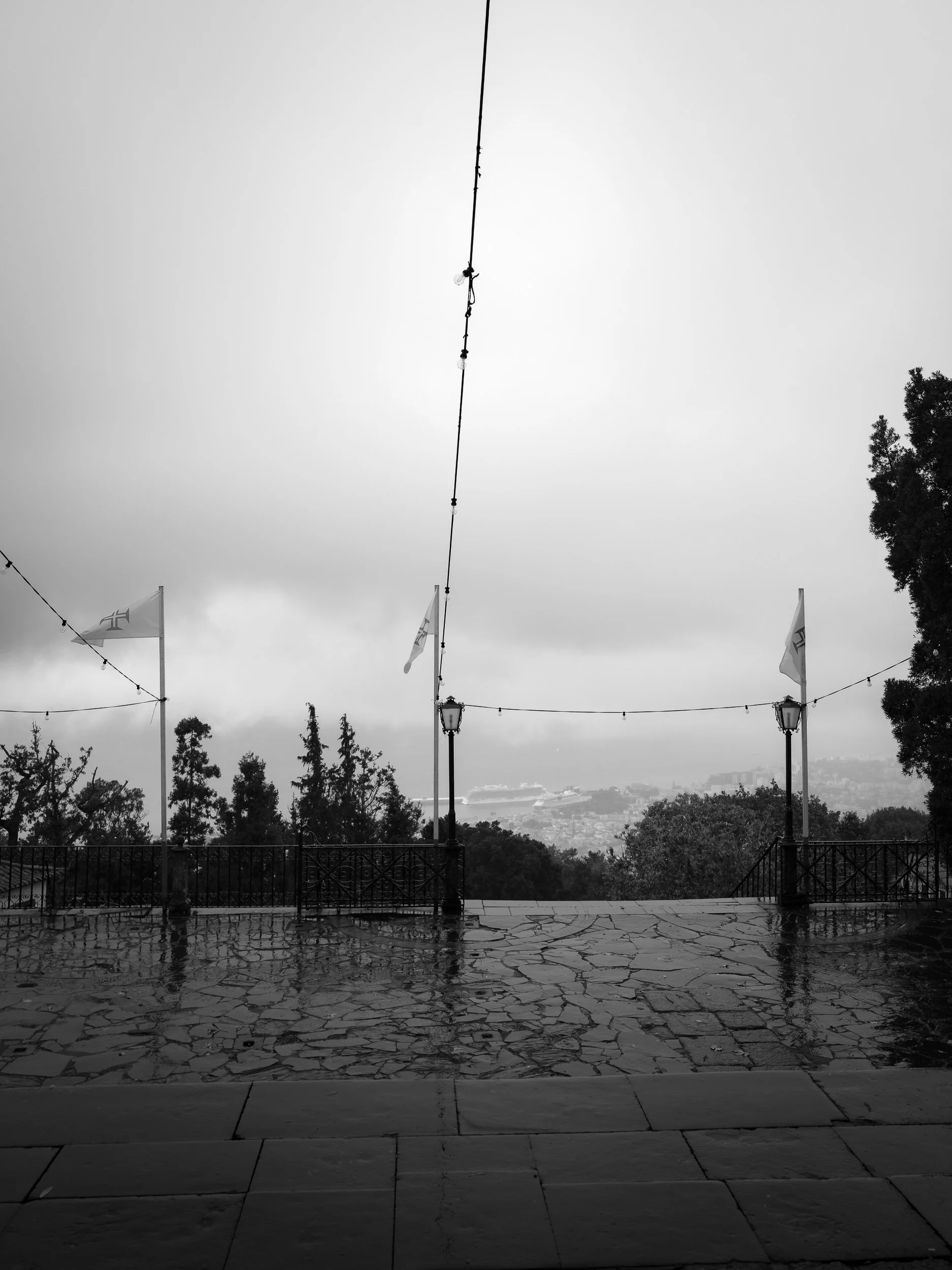
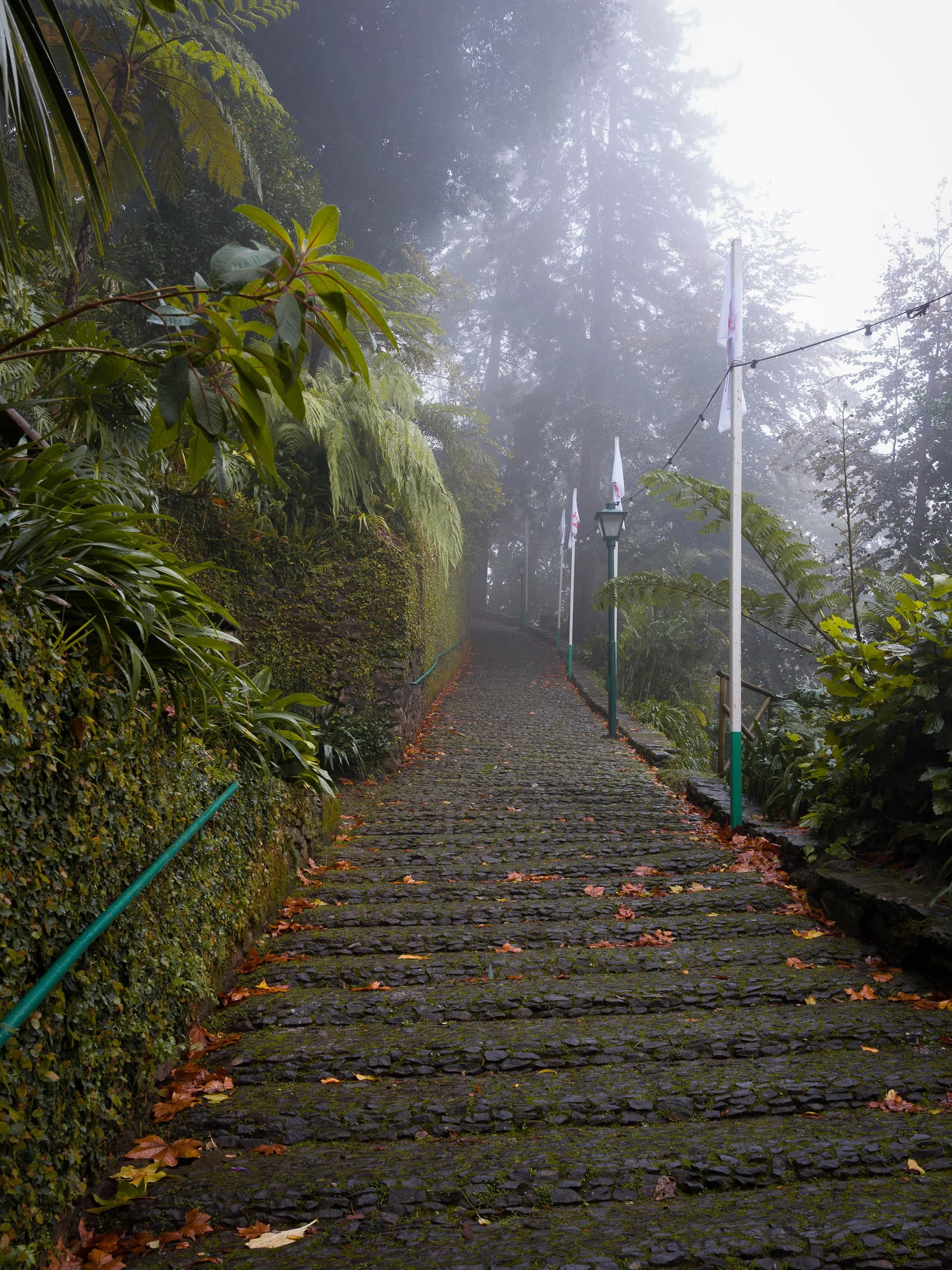
We took in Monte on the first full day and in the worst of the weather we experienced. We had been here before, but had left ourselves very little time after spending time at the Botanical Garden. There are a few indoor spaces to explore, hence the choice on a wet day, but that said, the rain and mist added atmosphere to the verdant foliage and gave it a different character from our earlier visit.
Monte Palace Gardens
Leica Q3 | 28mm f/8.0 1/50s ISO 6400
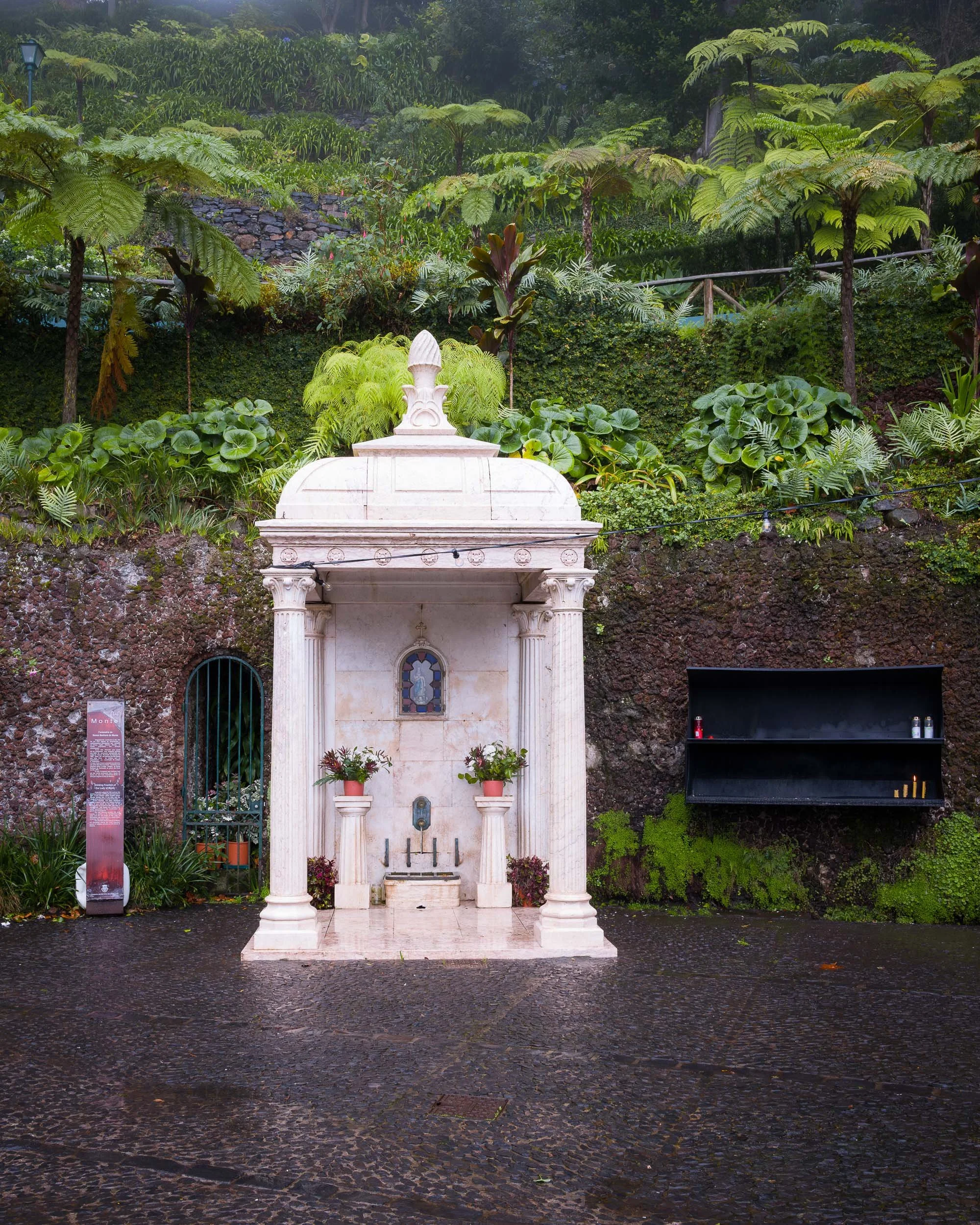
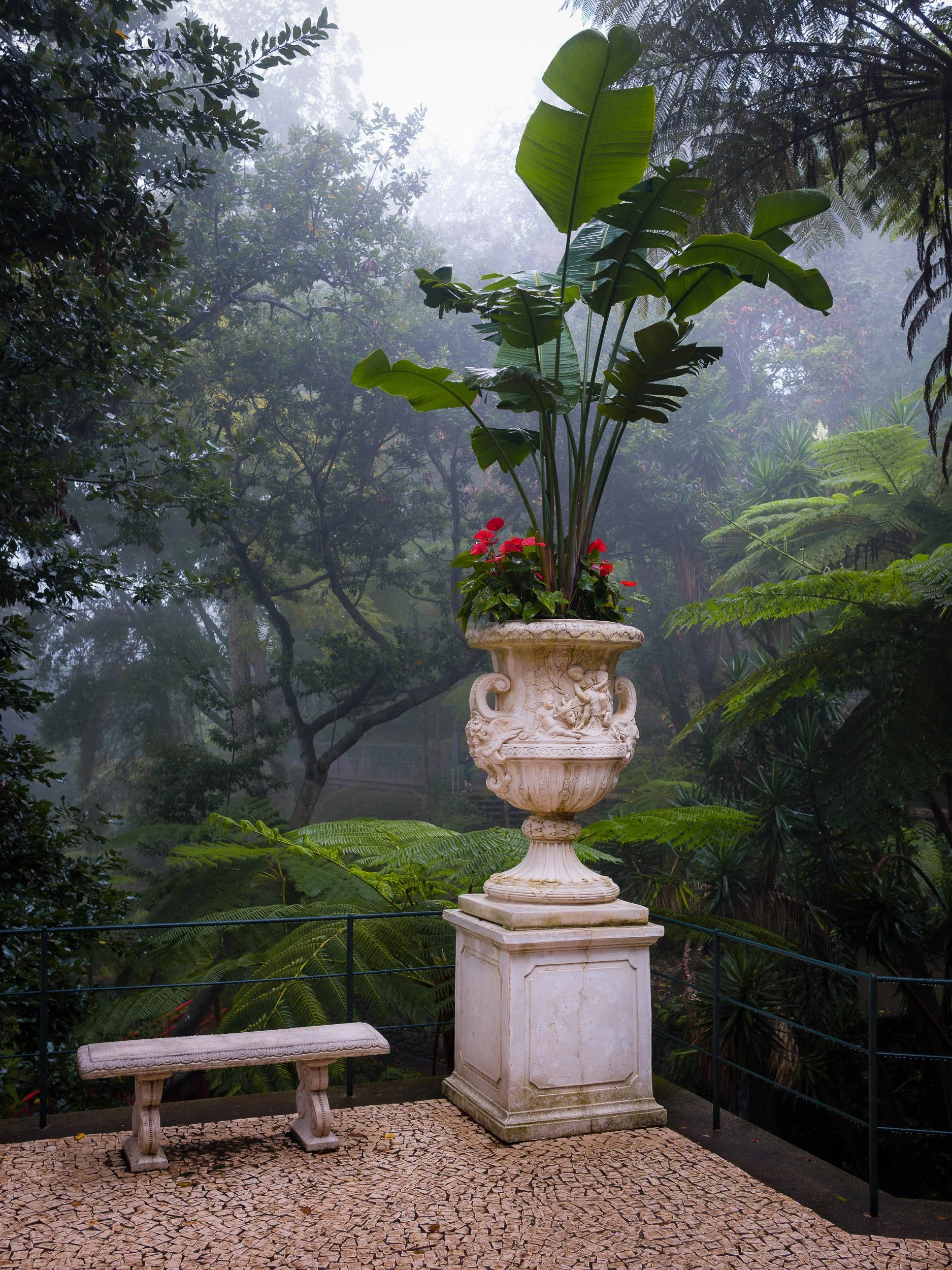
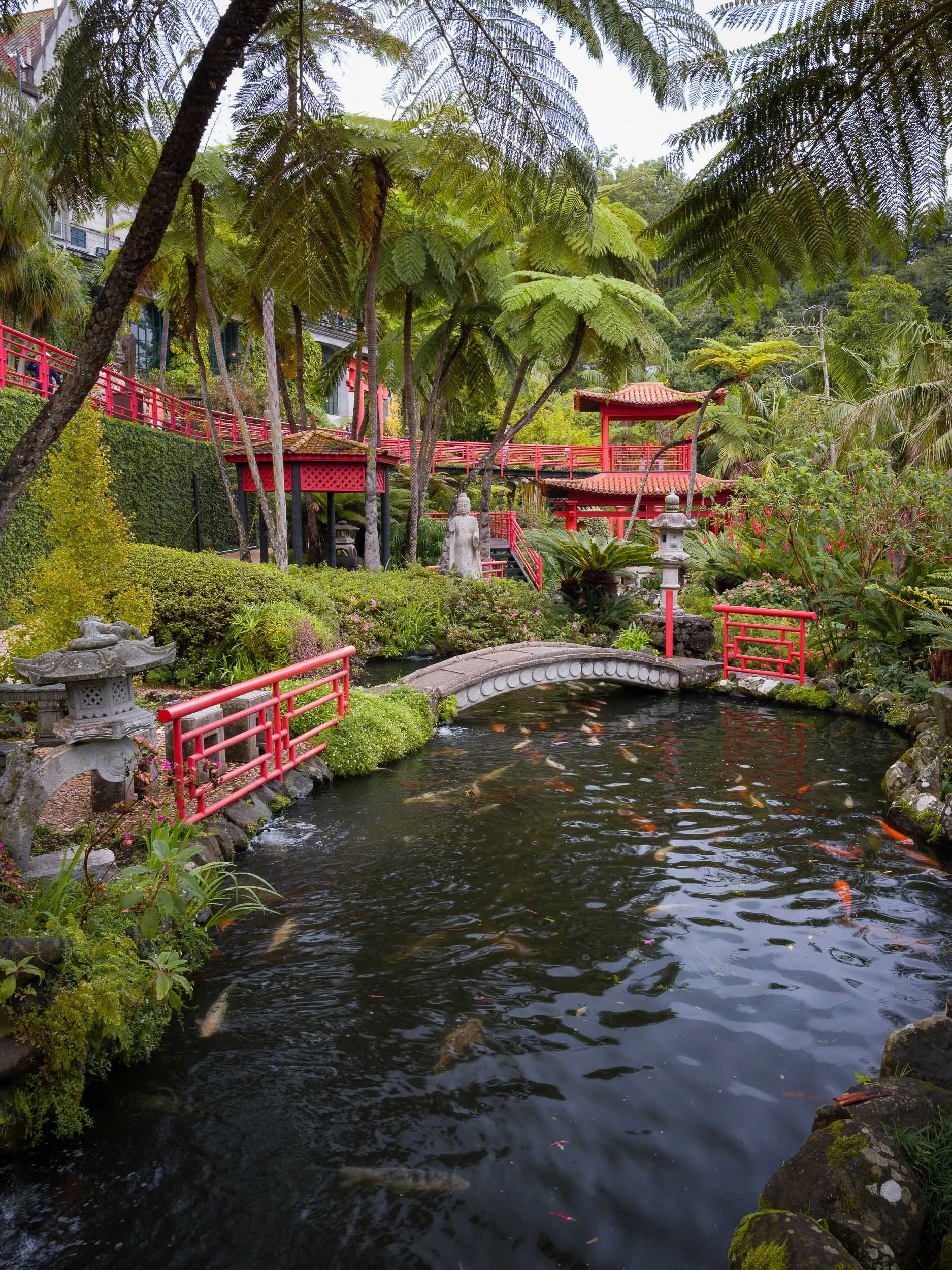
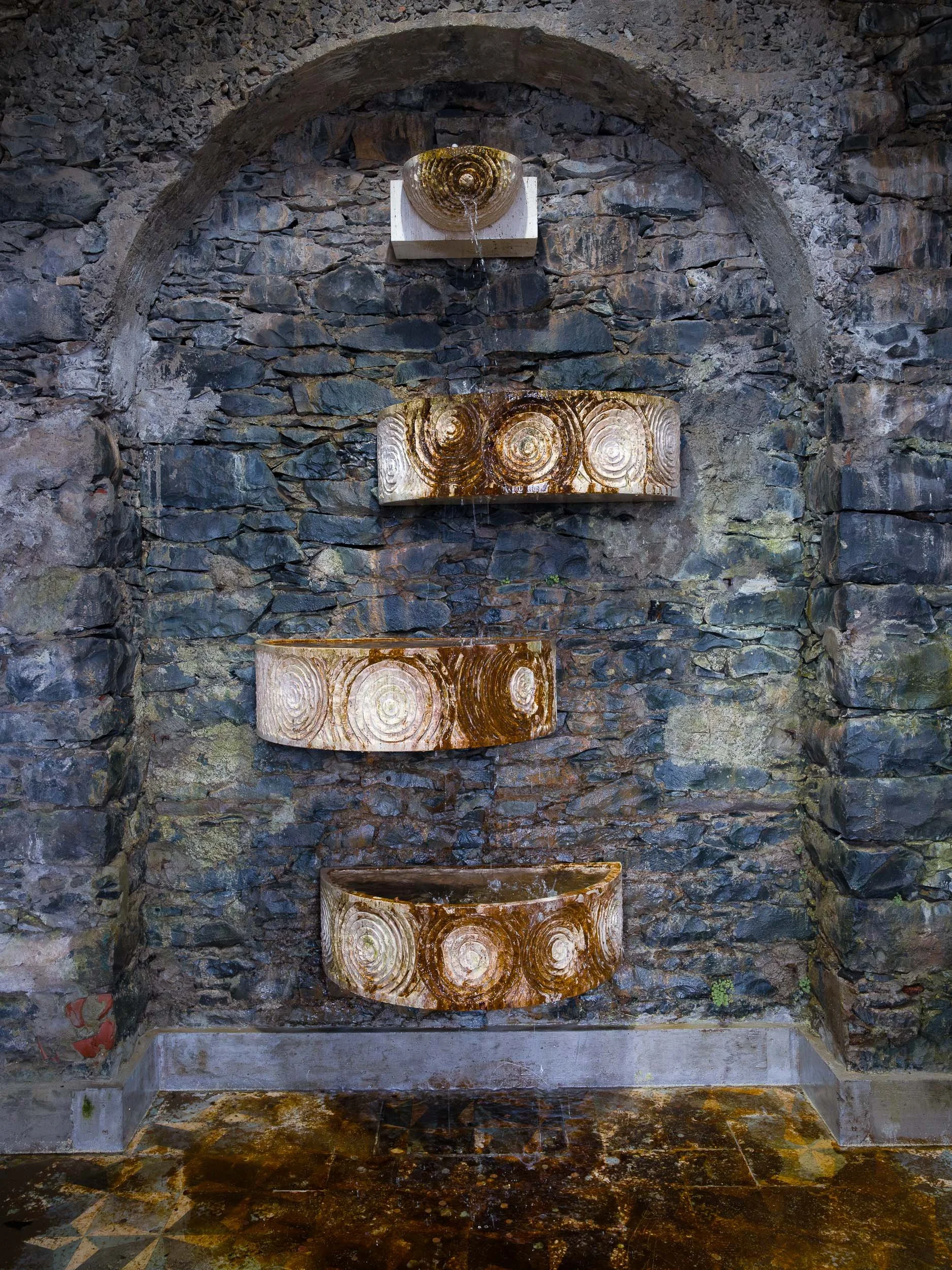
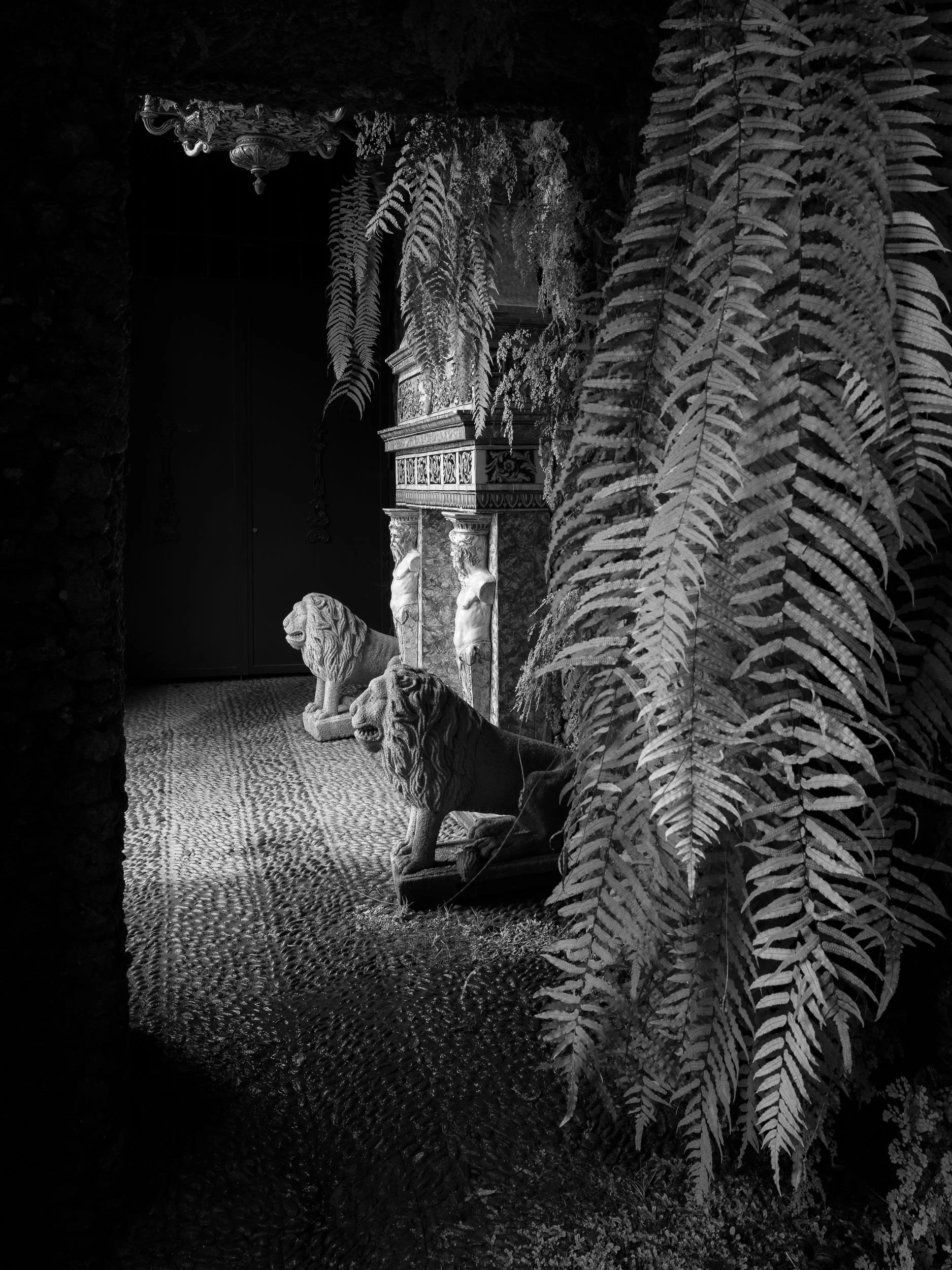
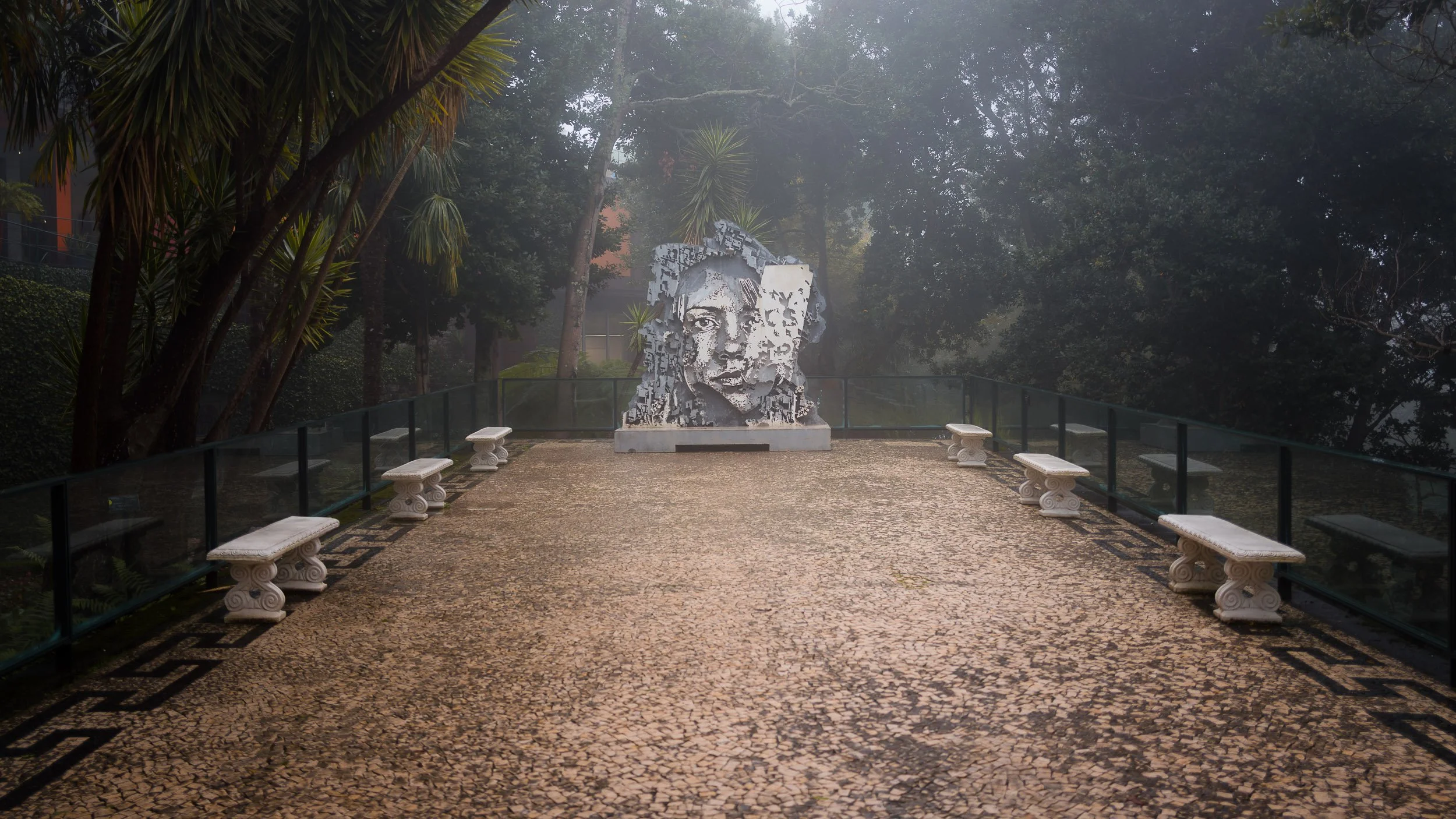
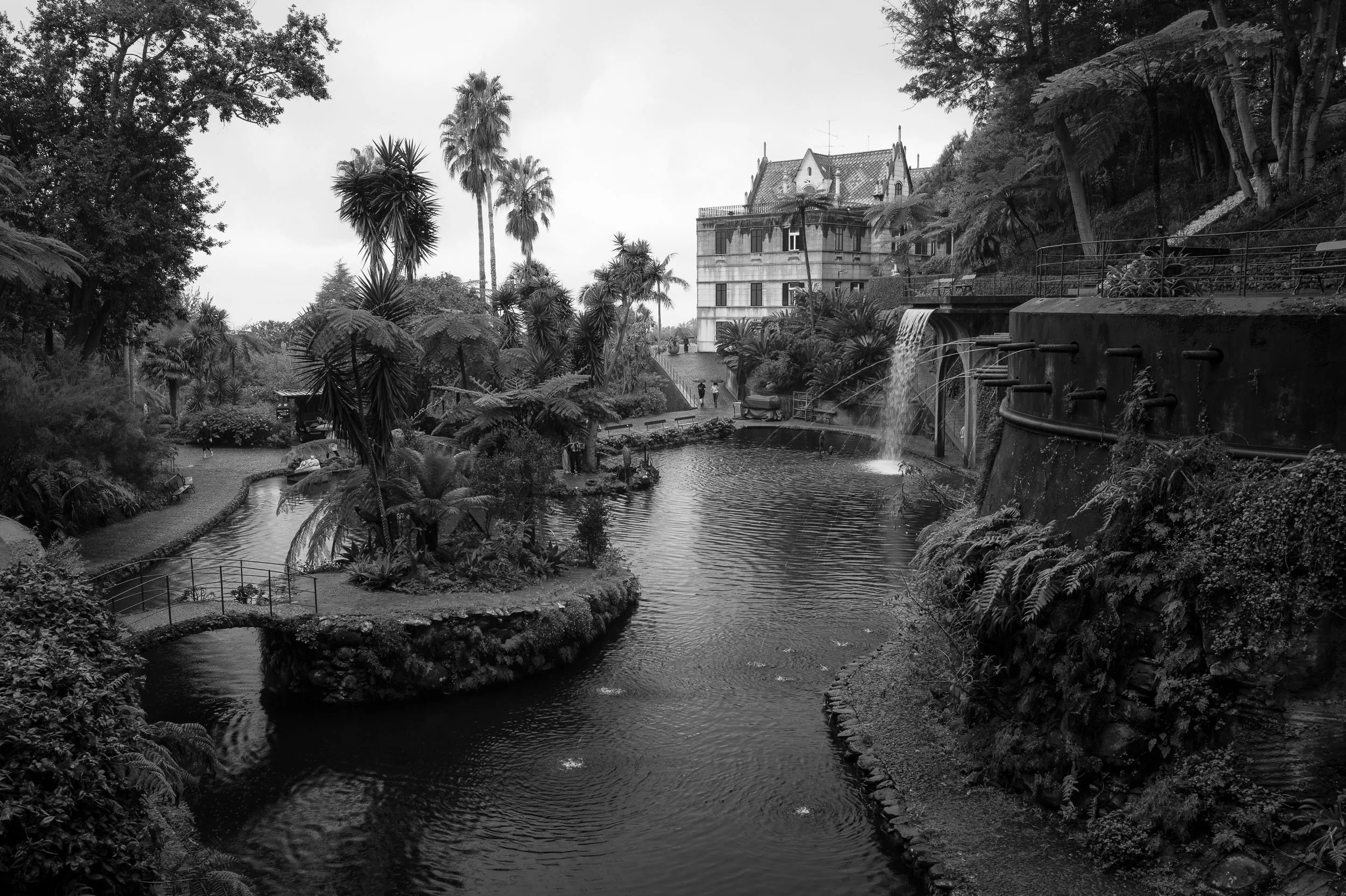
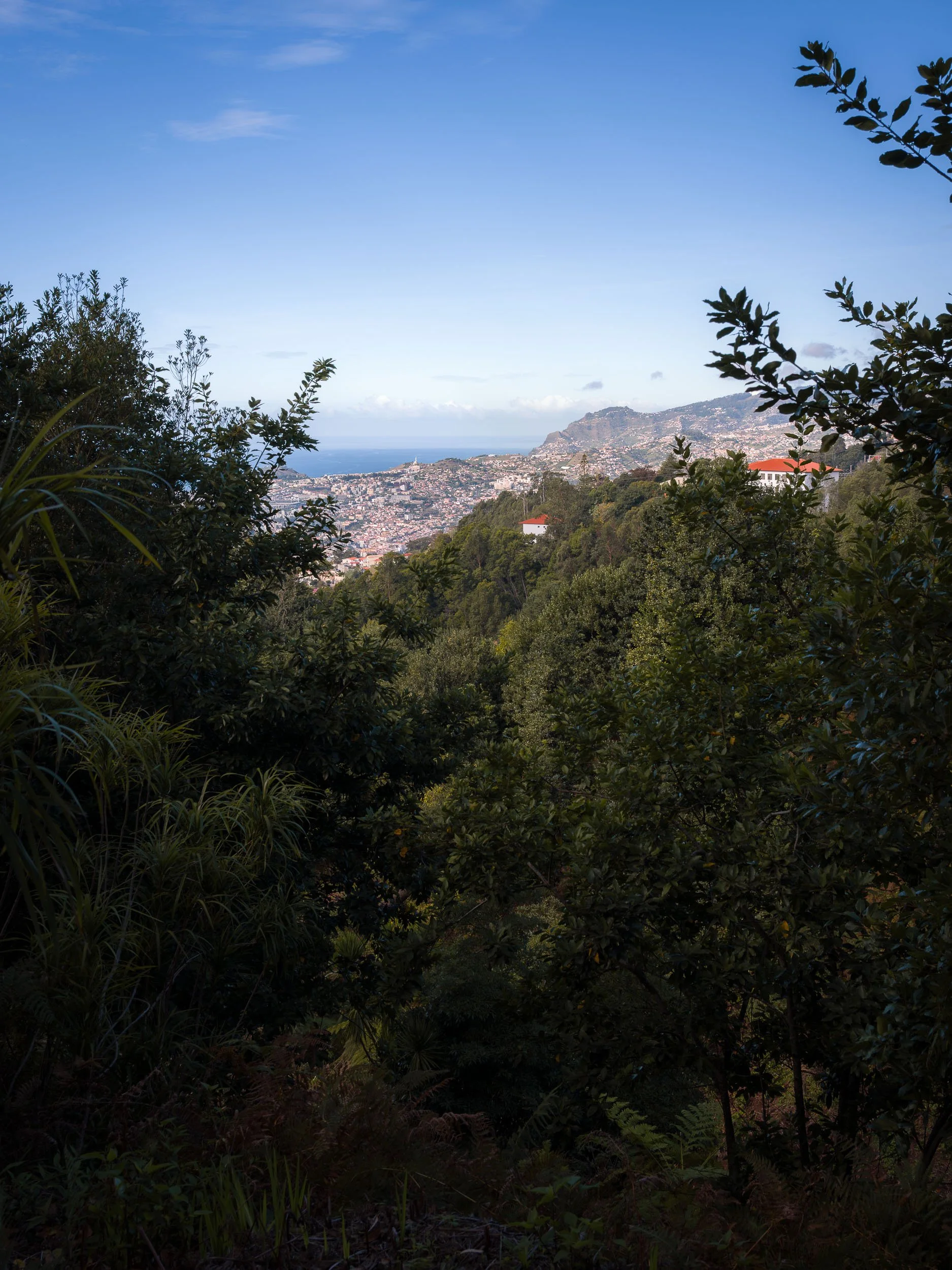
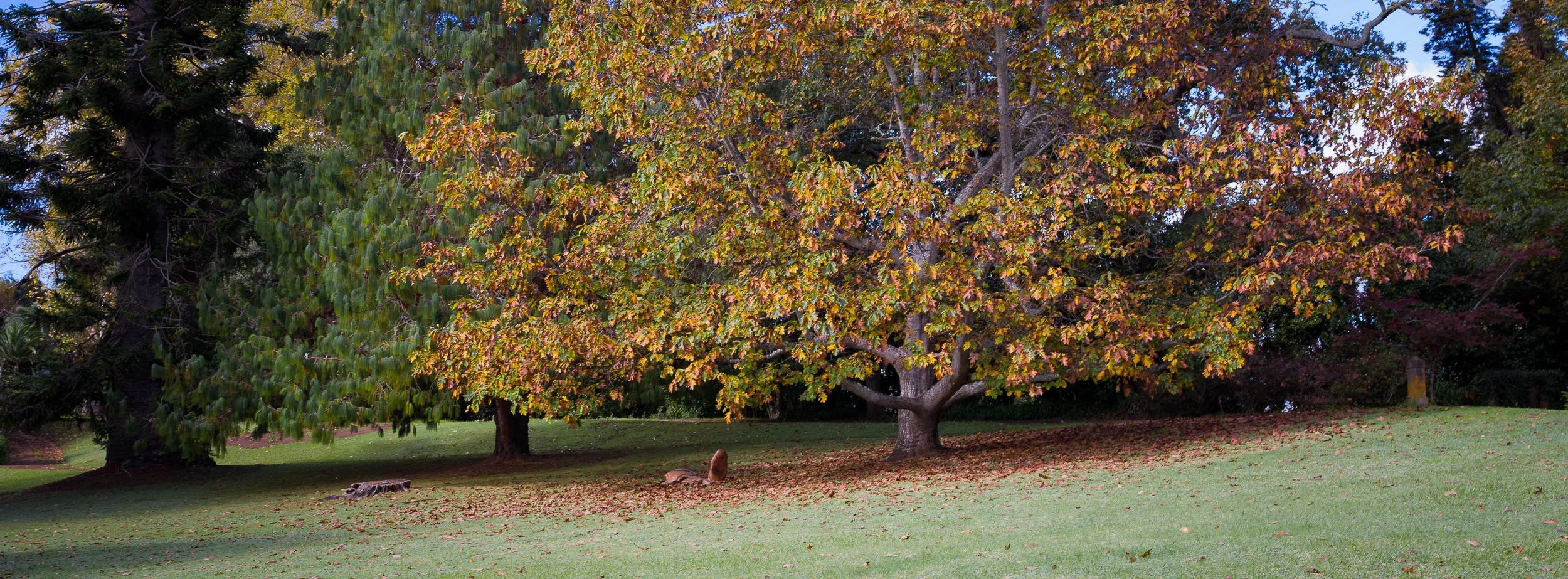
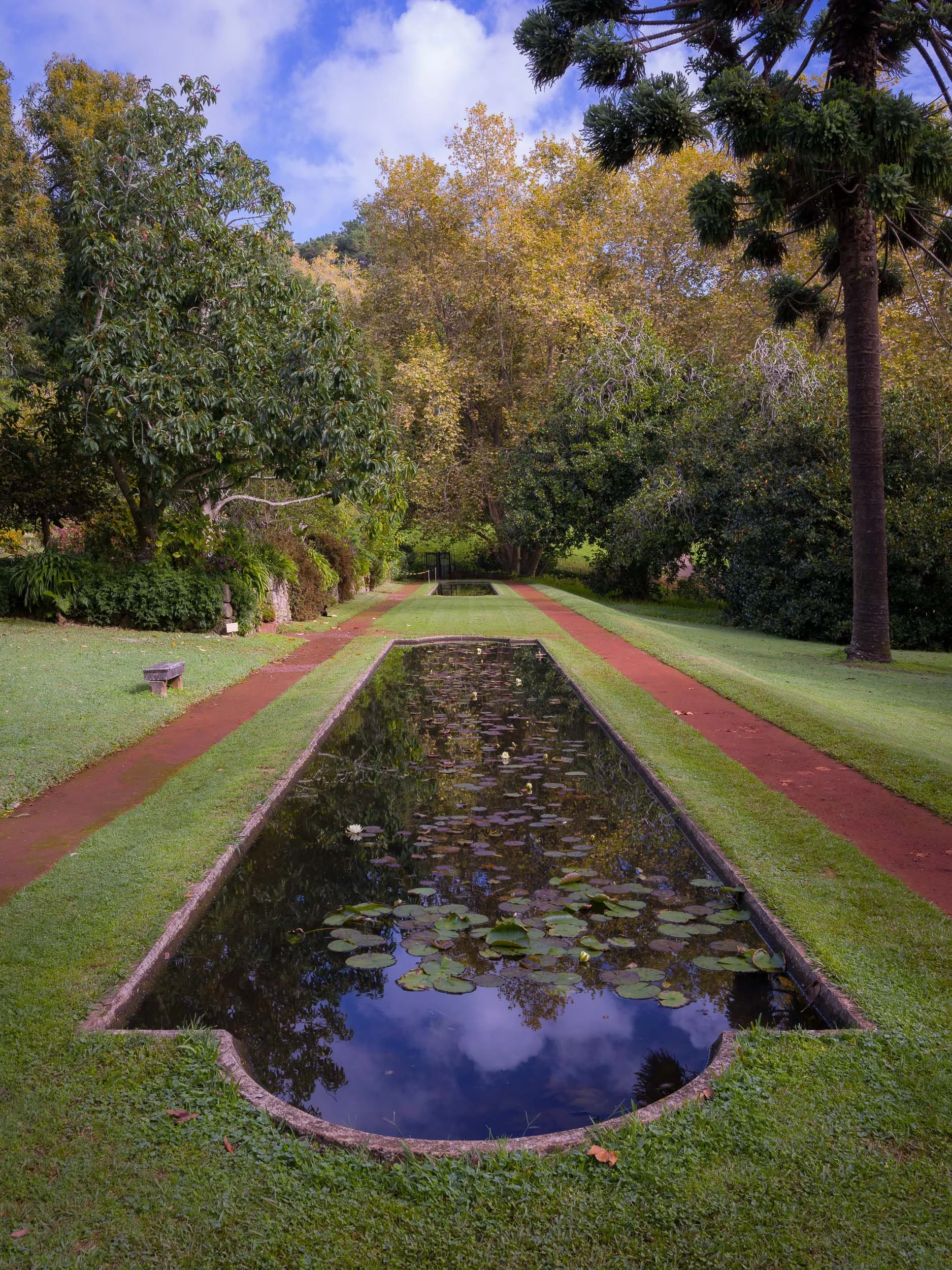
The conditions at Palheiro were very different and we had a much brighter day. The gardens are also at a higher altitude and this, I think, helped contribute to the them having more of an autumnal feel. Although less spectacular than some of the other gardens they were still well worth the short taxi to get there.
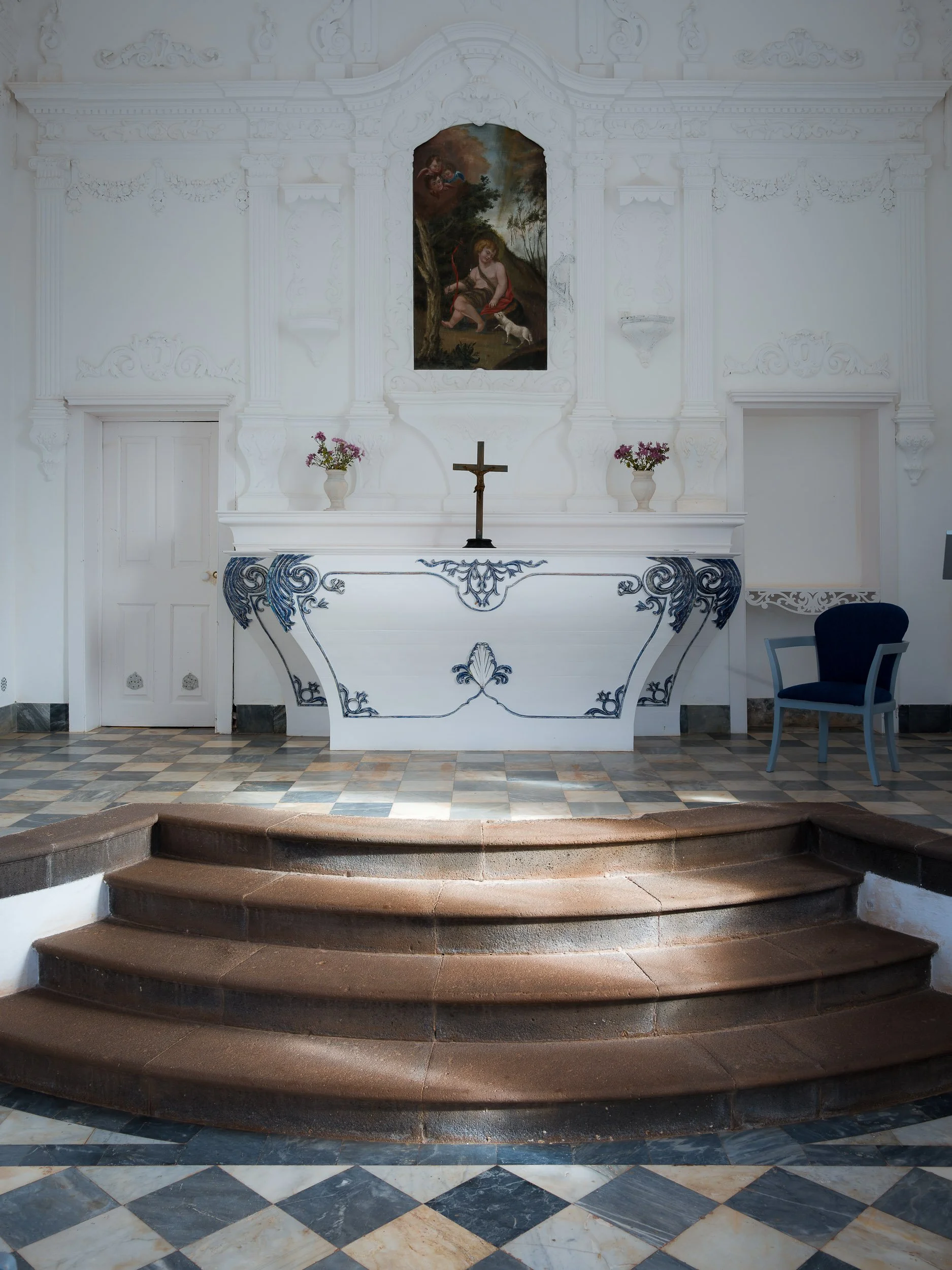
Palheiro Gardens and Chapel
Leica Q3 | 28mm f/5.6 1/125s ISO 100
Coastal Walks
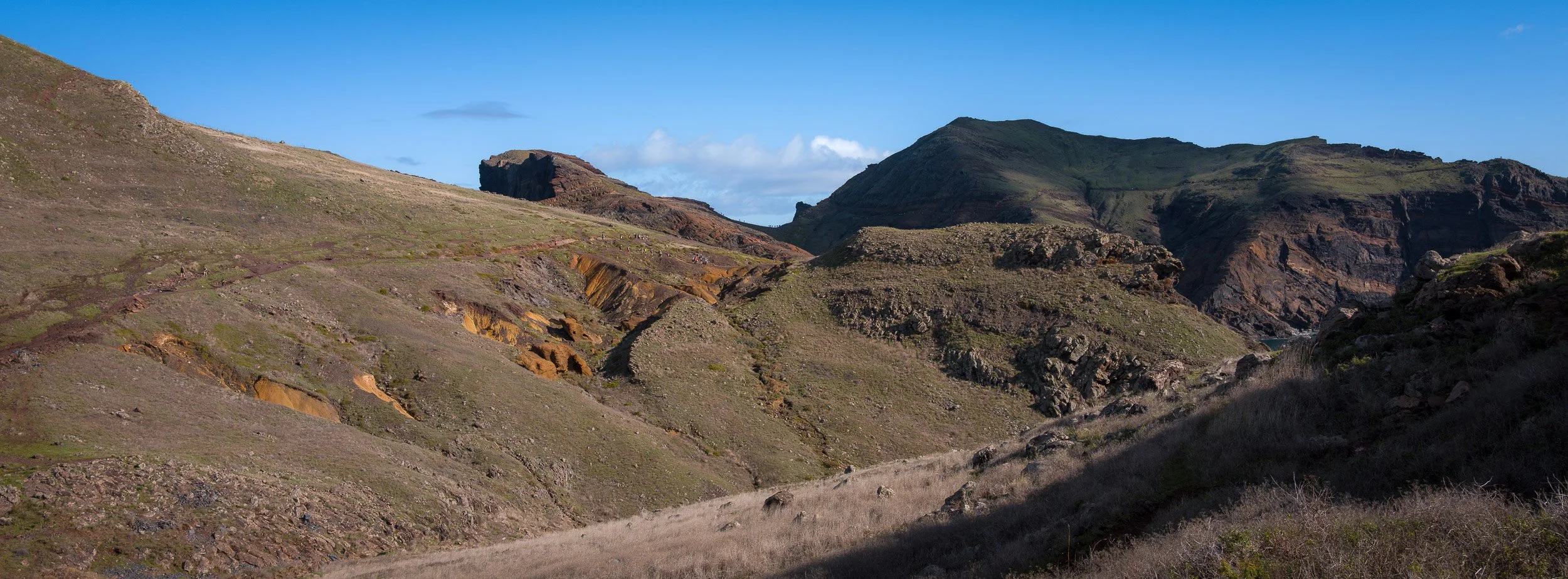
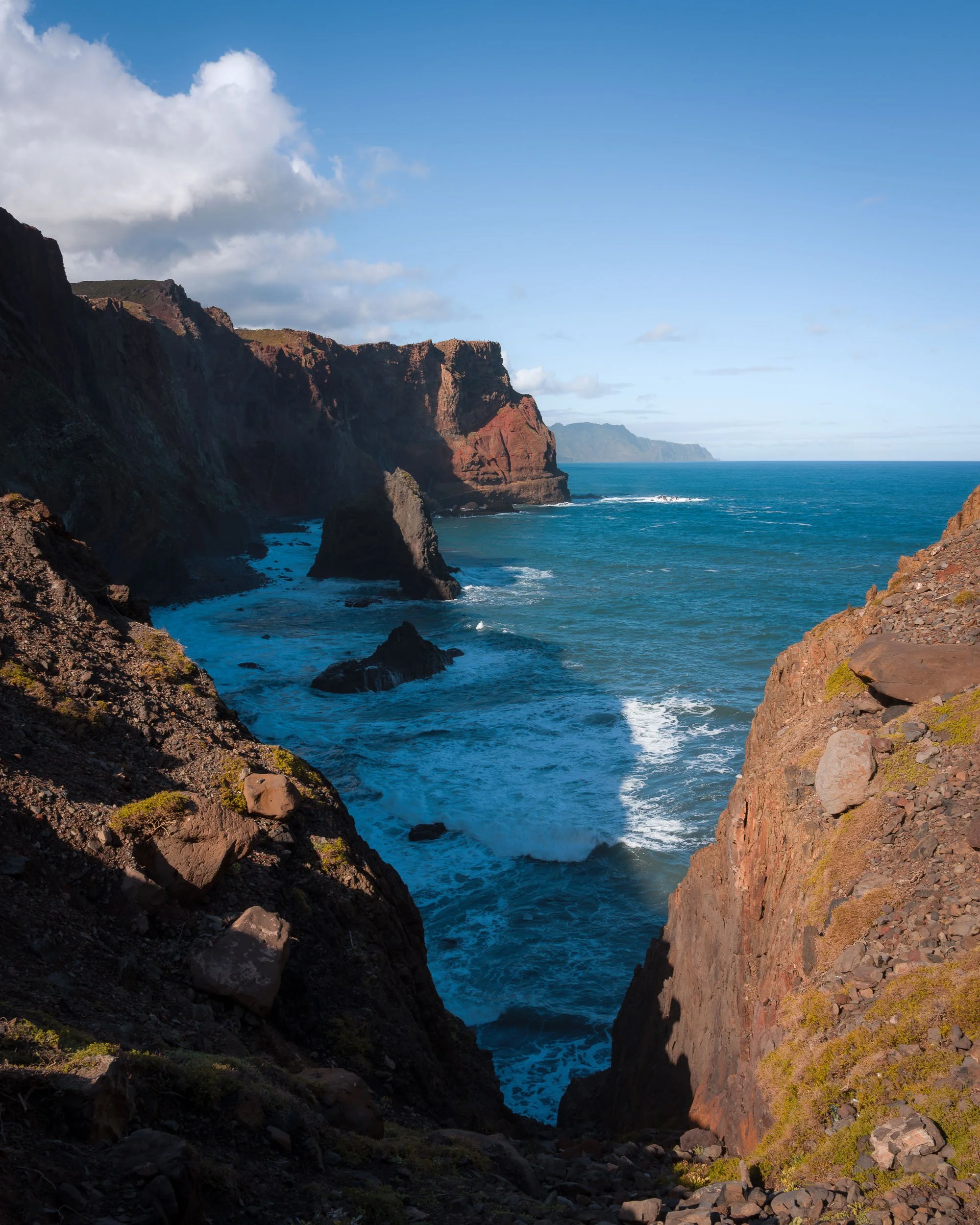
One of the highlights of the trip was the walk along the Ponta de São Lourenço and illustrated at the head of this post. We’d missed this section of the island on our previous trip, so wanted to catch it this time around.
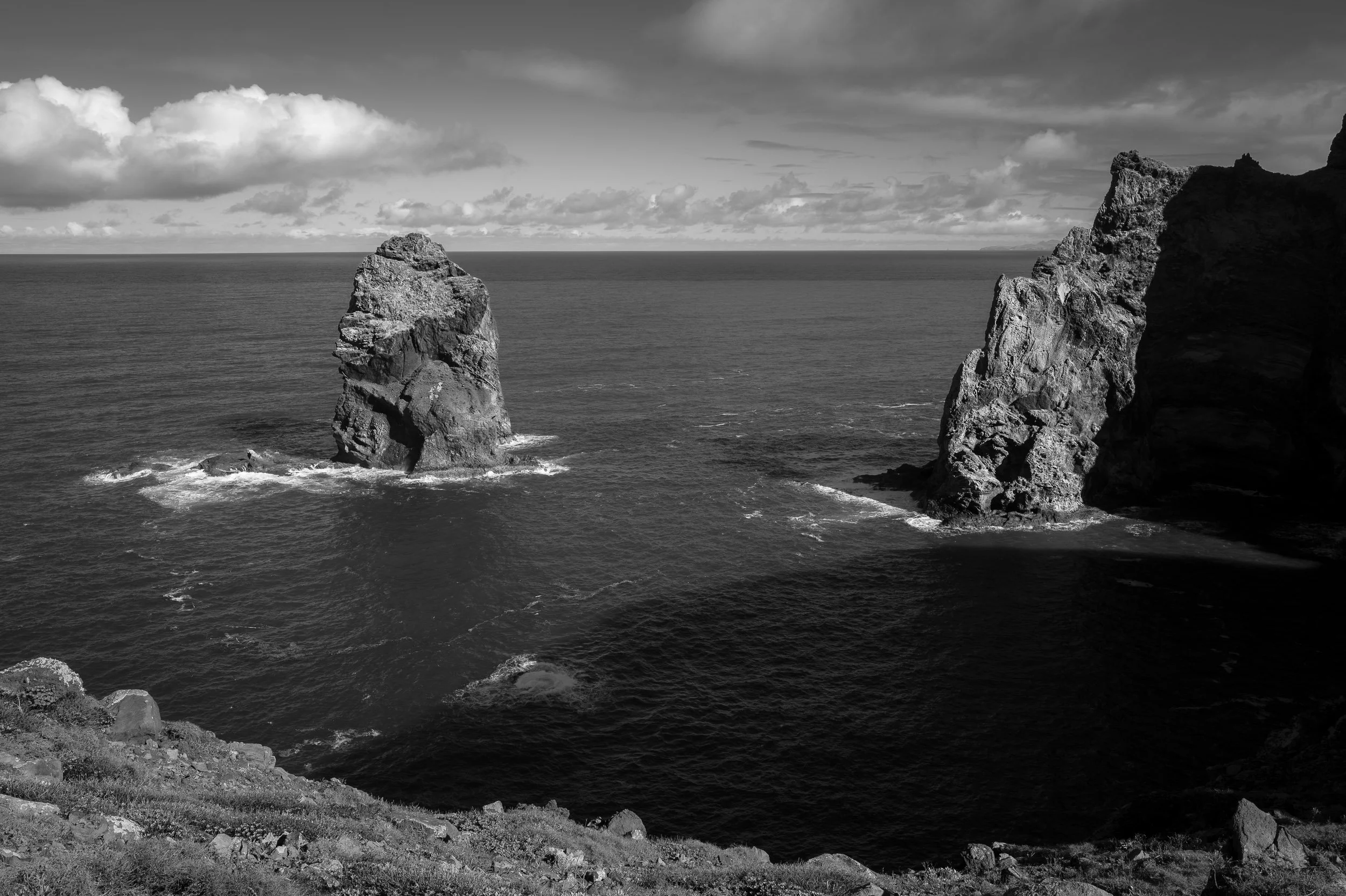
What makes this special is the geology. The walk traverses a series of ridges and steep terrain that is colloquially known as the Dragon’s Tail. When you look back across the terrain it’s not hard to see why the name suits so well. The walk is busy with little shade, but the angular formations and the waves on the exposed stacks are more than enough reward for the walk.
Stacks at Miradouro de São Lourenço
Leica Q3 | 28mm f/8.0 1/160s ISO 100
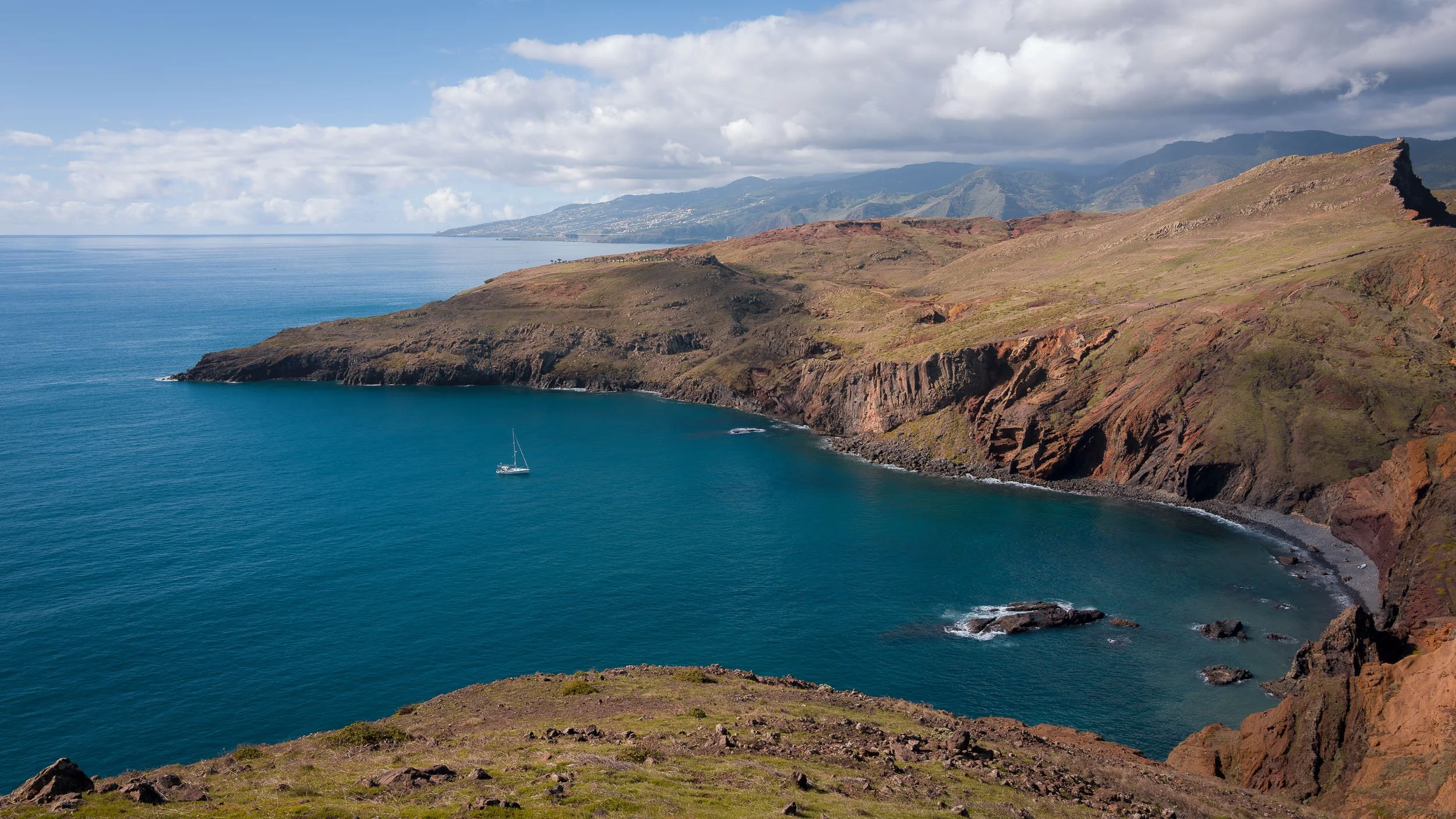
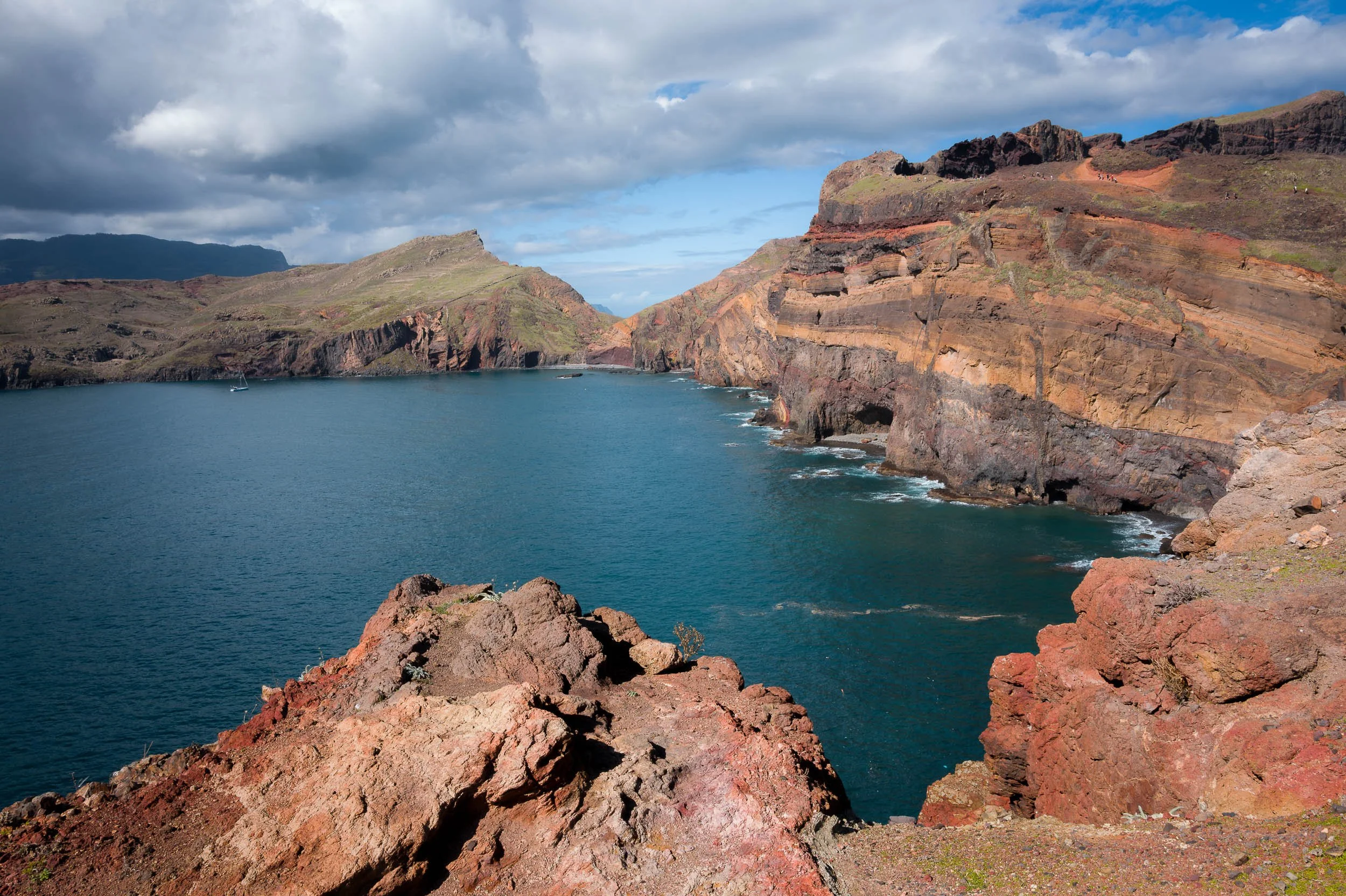
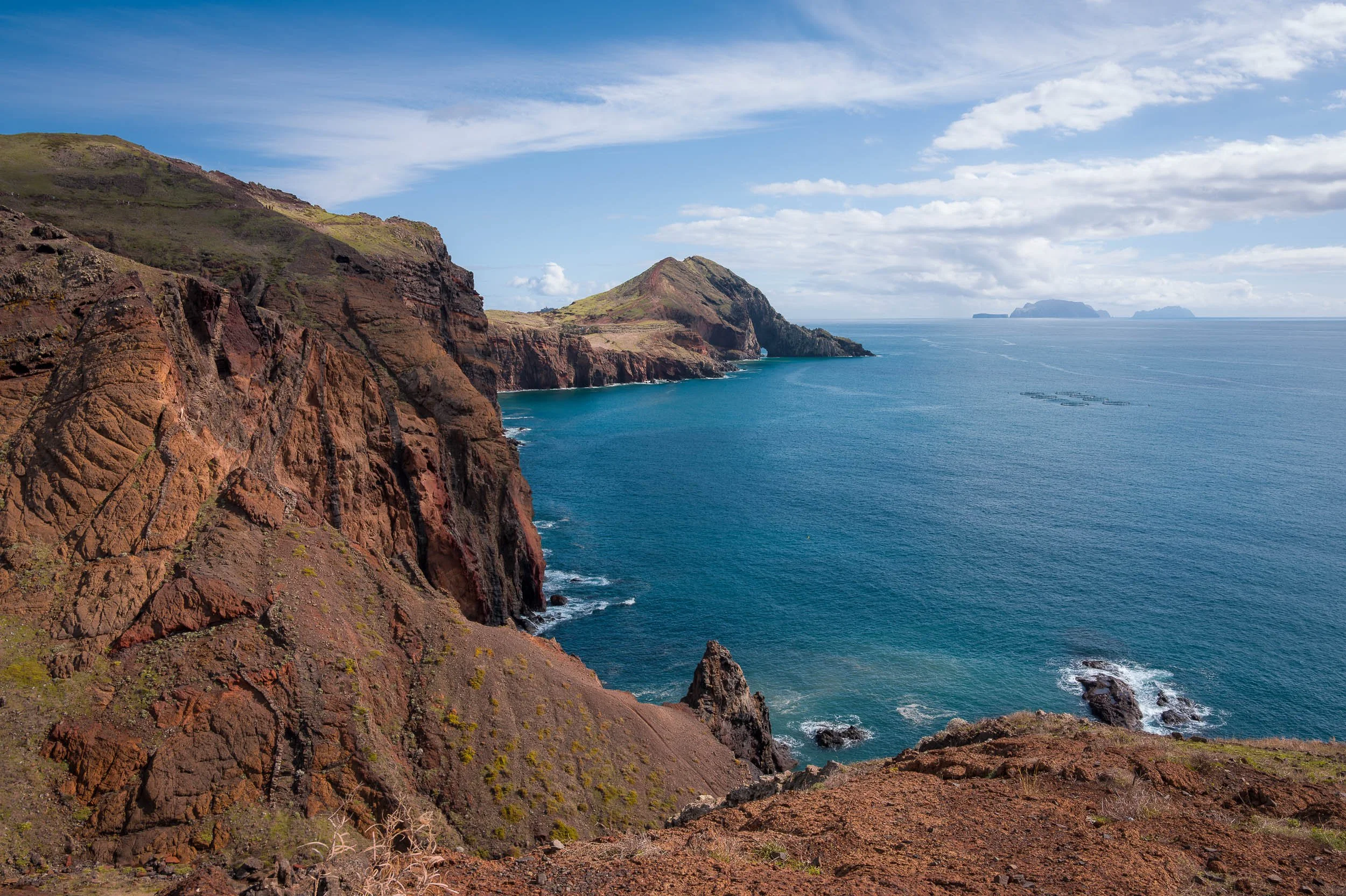
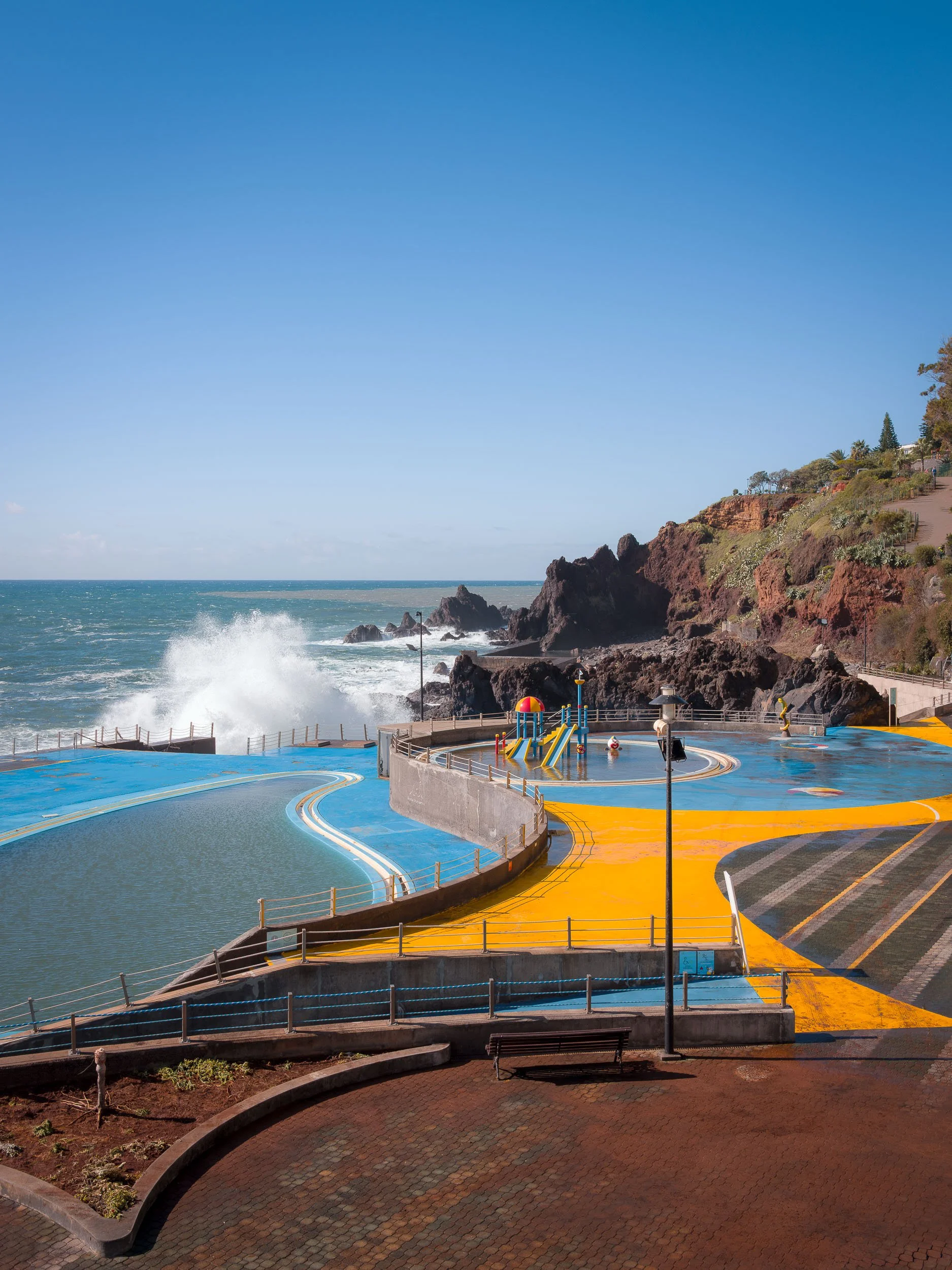
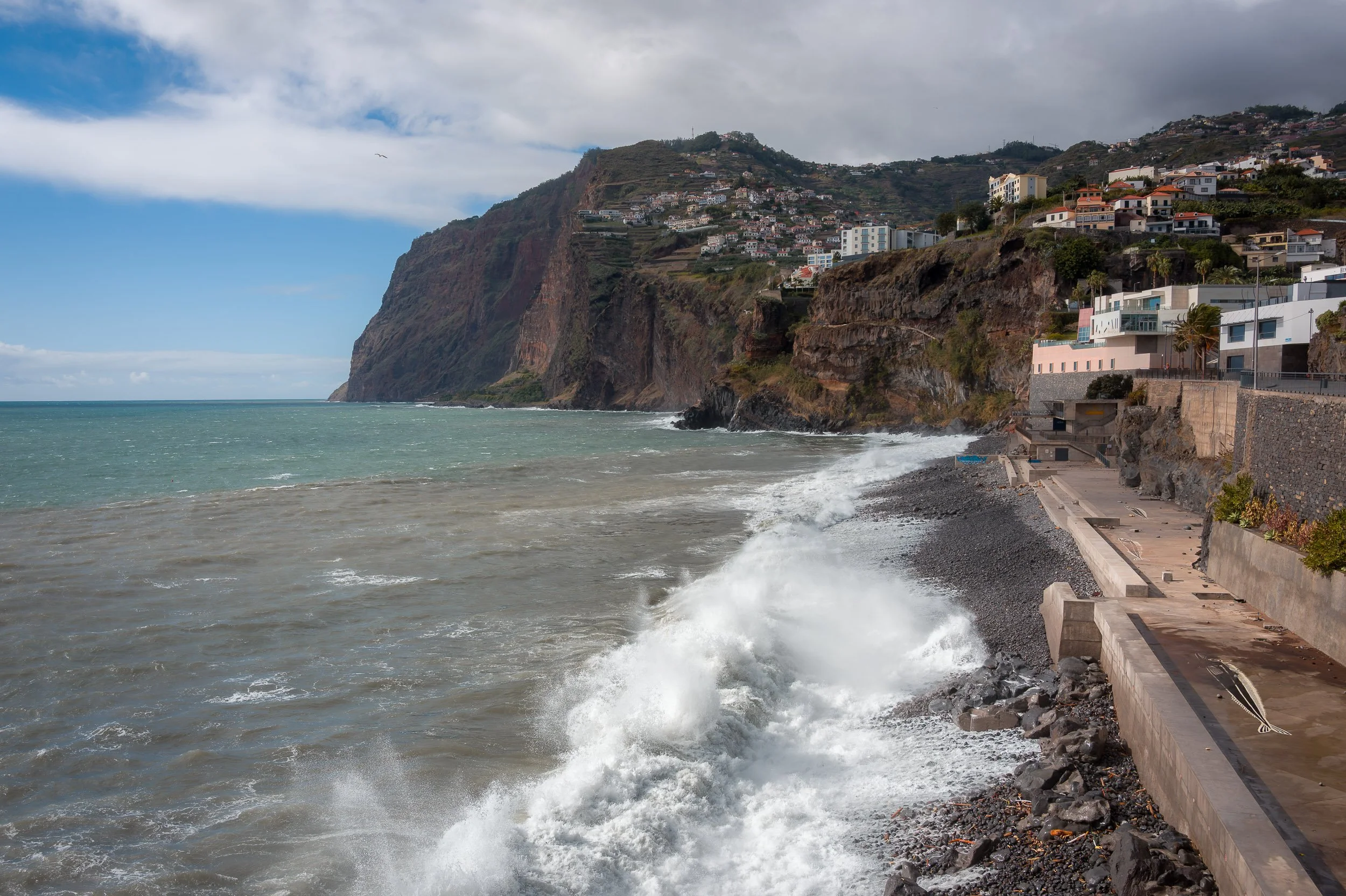
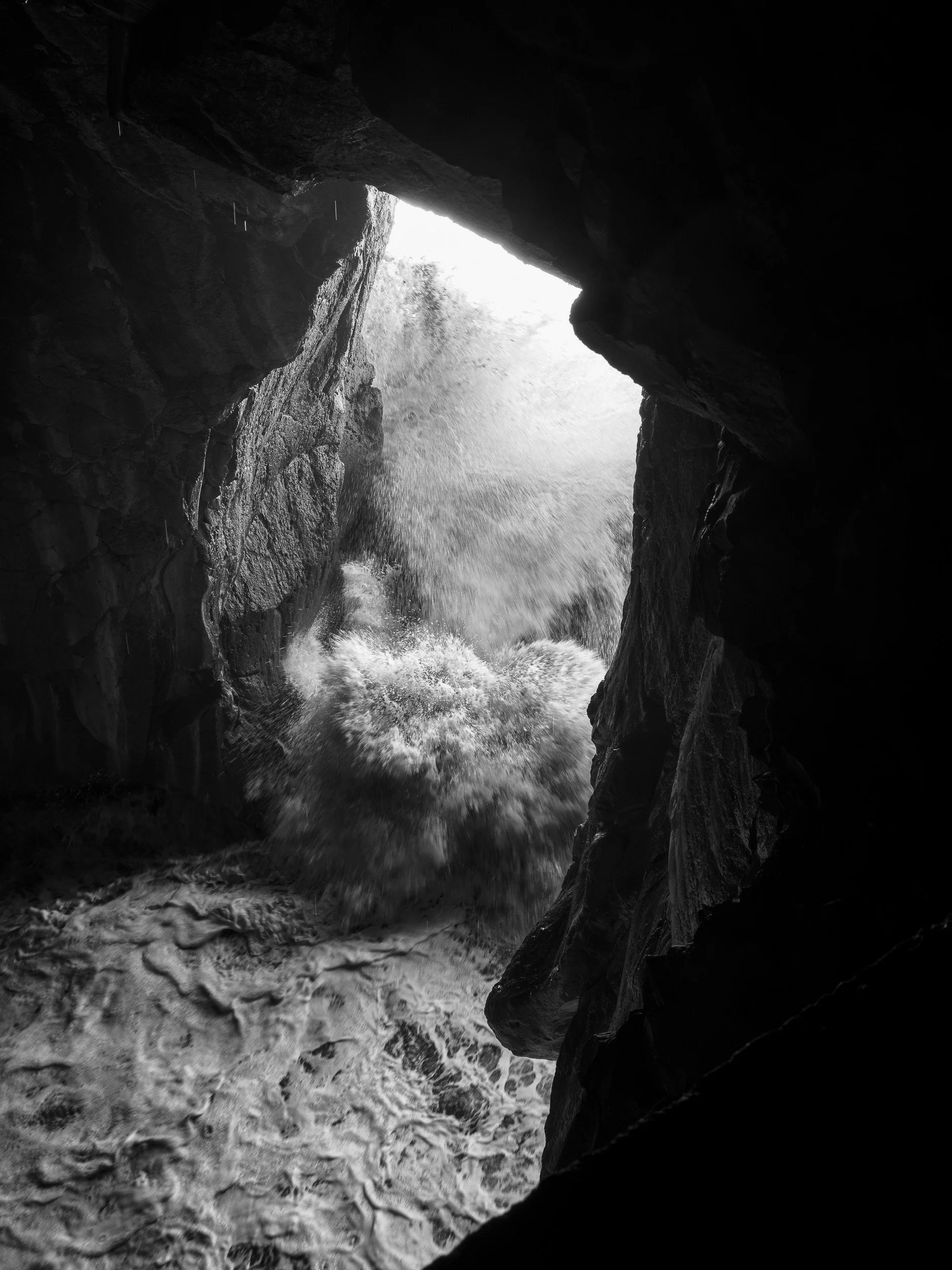
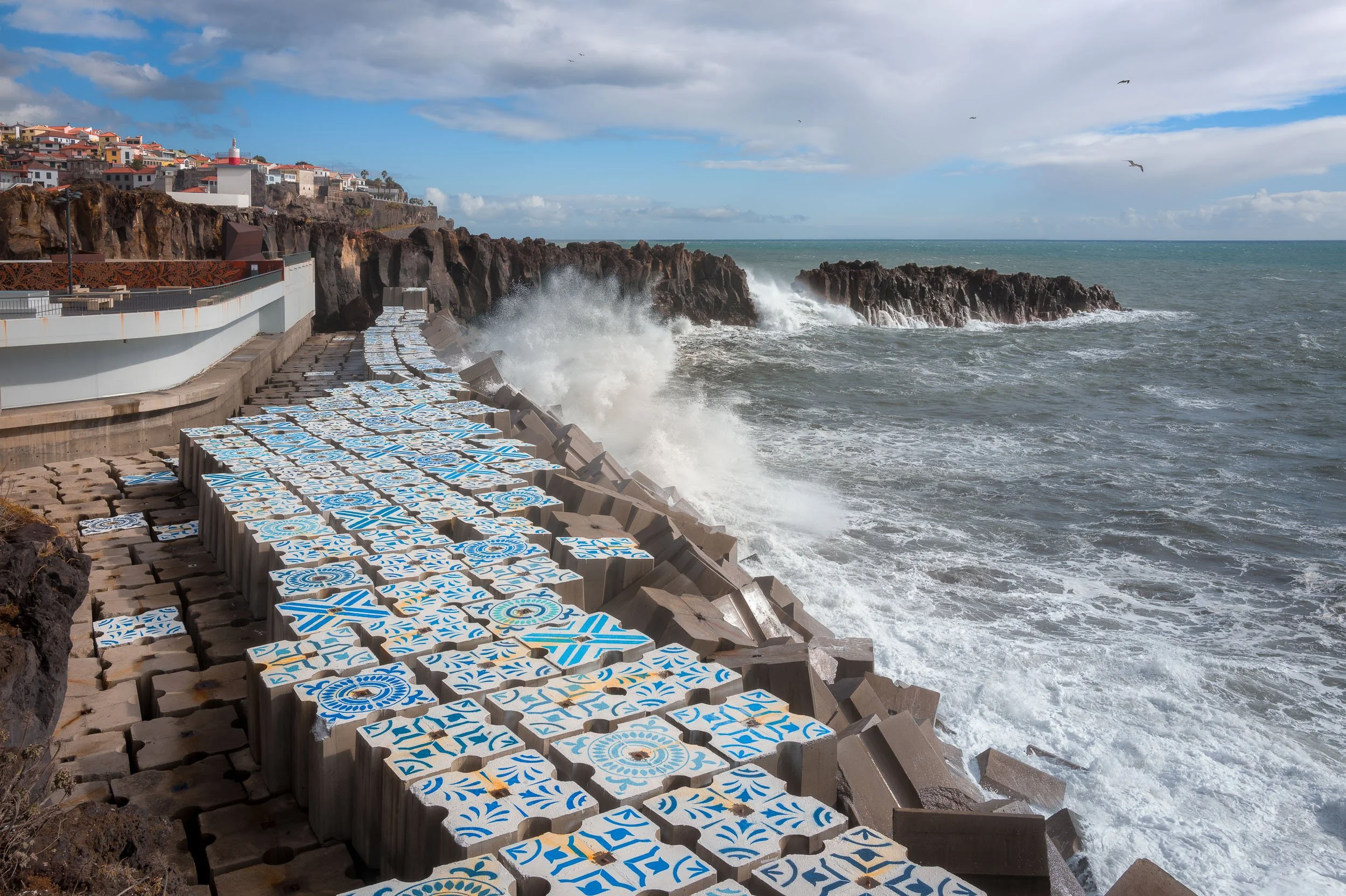
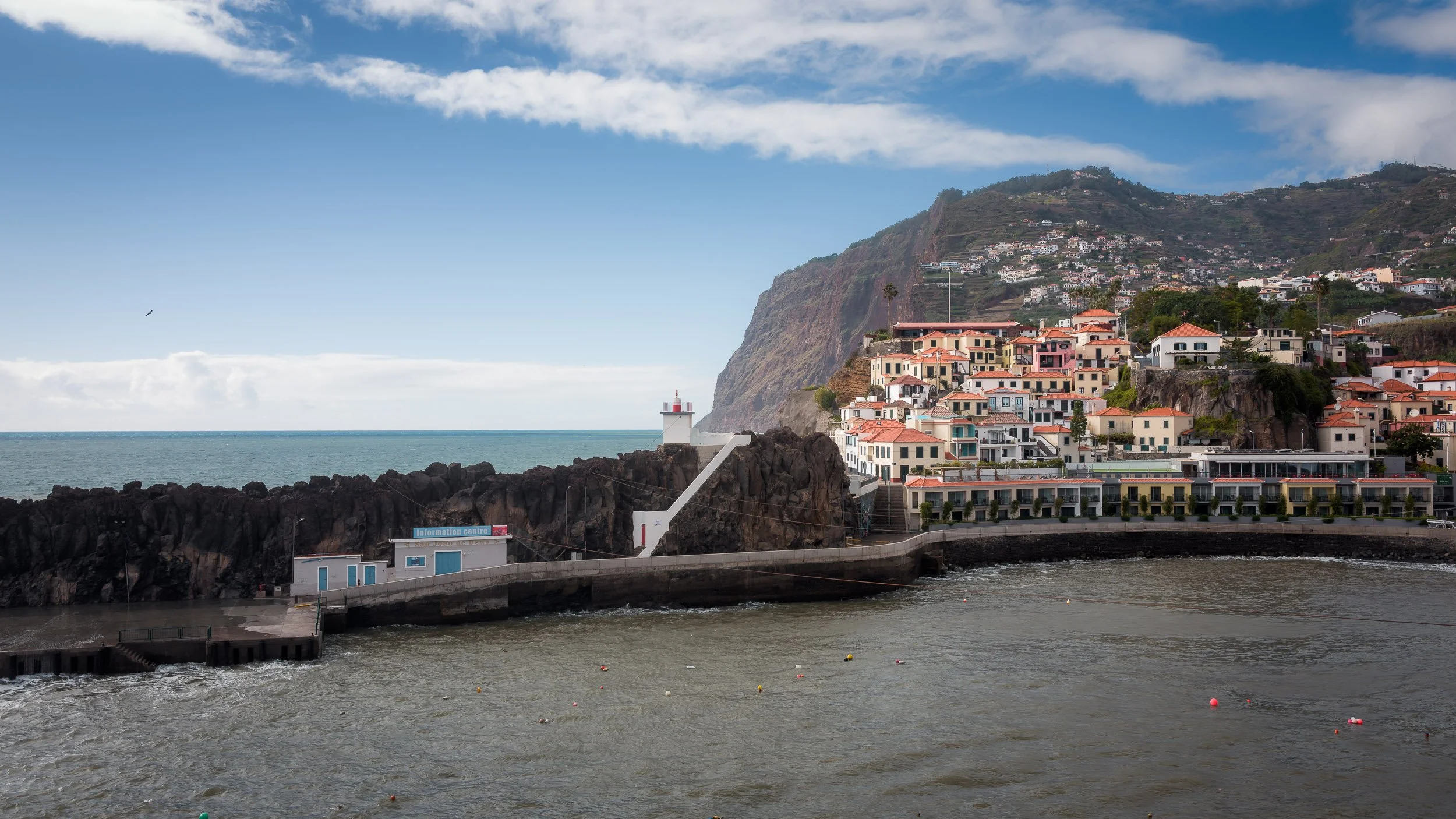
We also managed a walk from Funchal to the very picturesque fishing village of Câmara de Lobos. We visited here last time, but went by bus. This section of coast is heavily commercialised with many of the resort hotels populating this stretch. Unfortunately we weren’t able to complete the final section as the promenade, which extends out over the sea, was shut because of high waves.
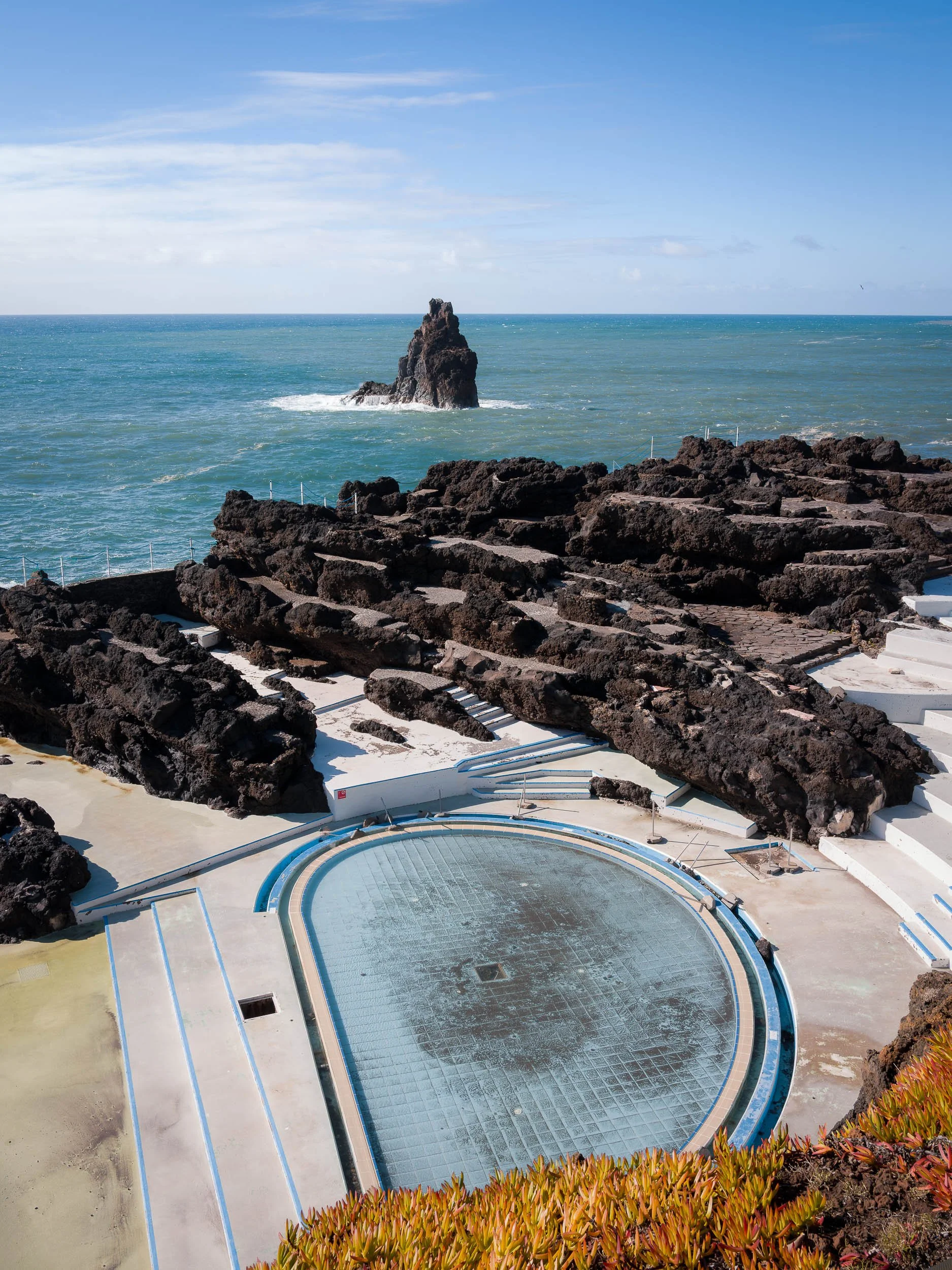
Impressions
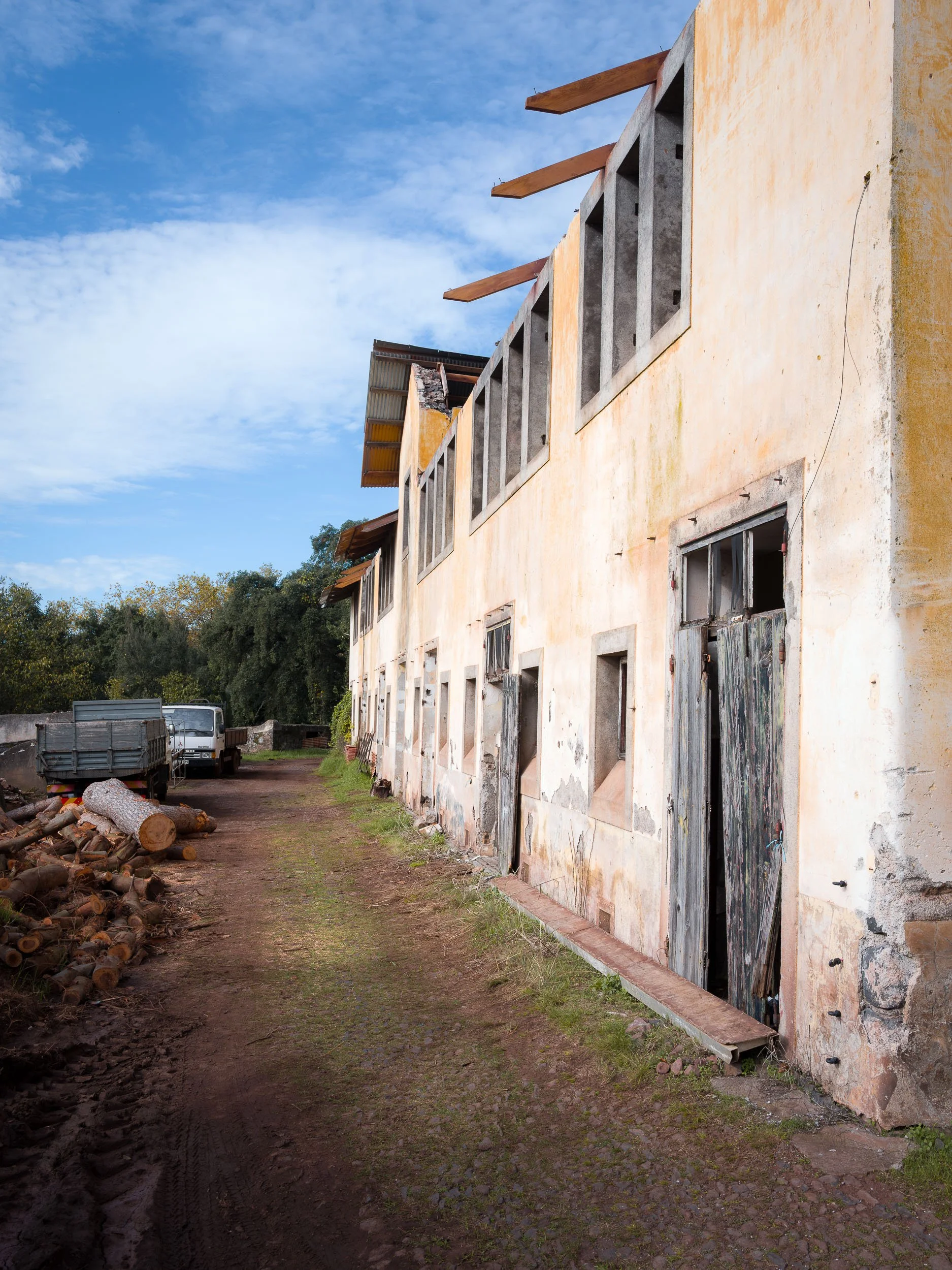
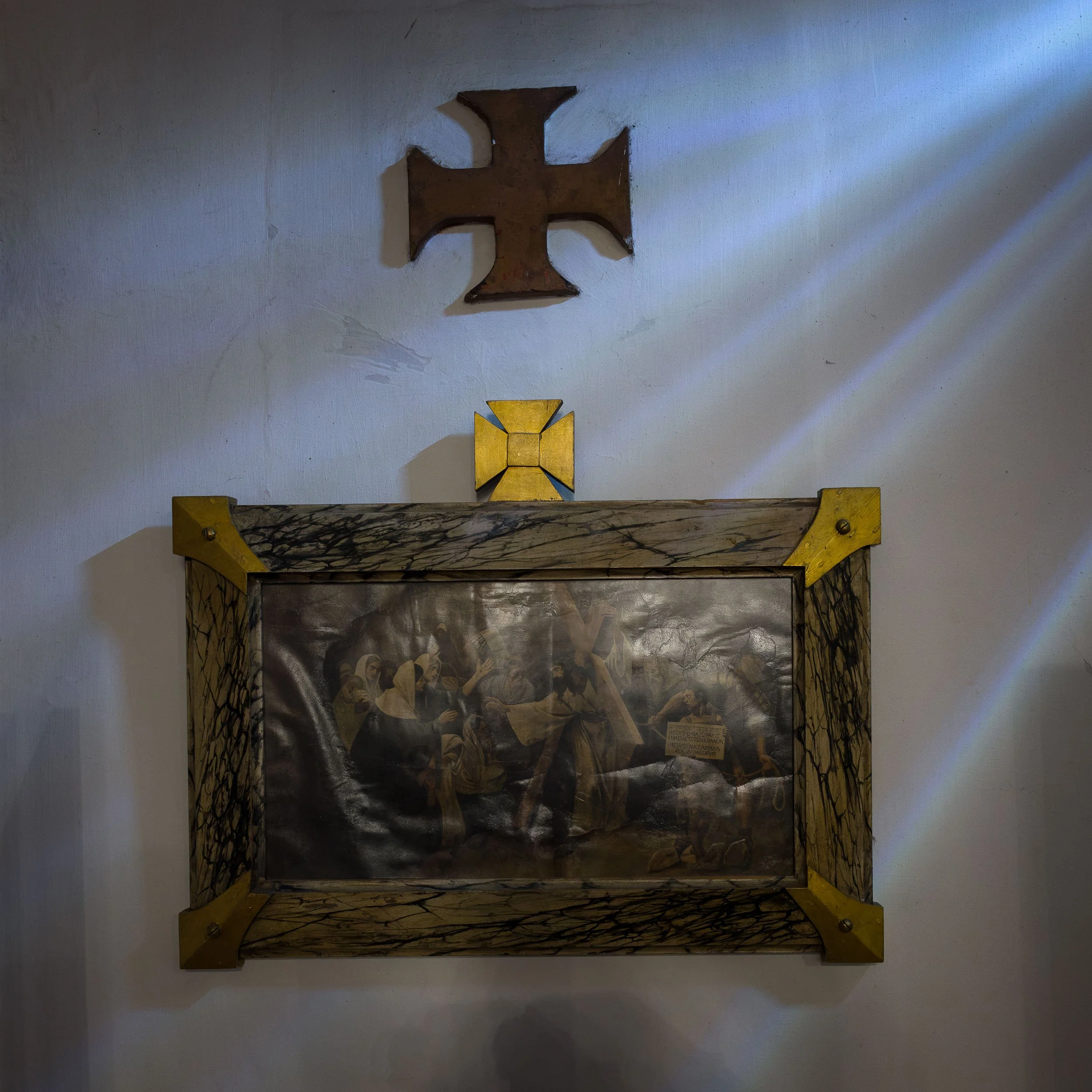
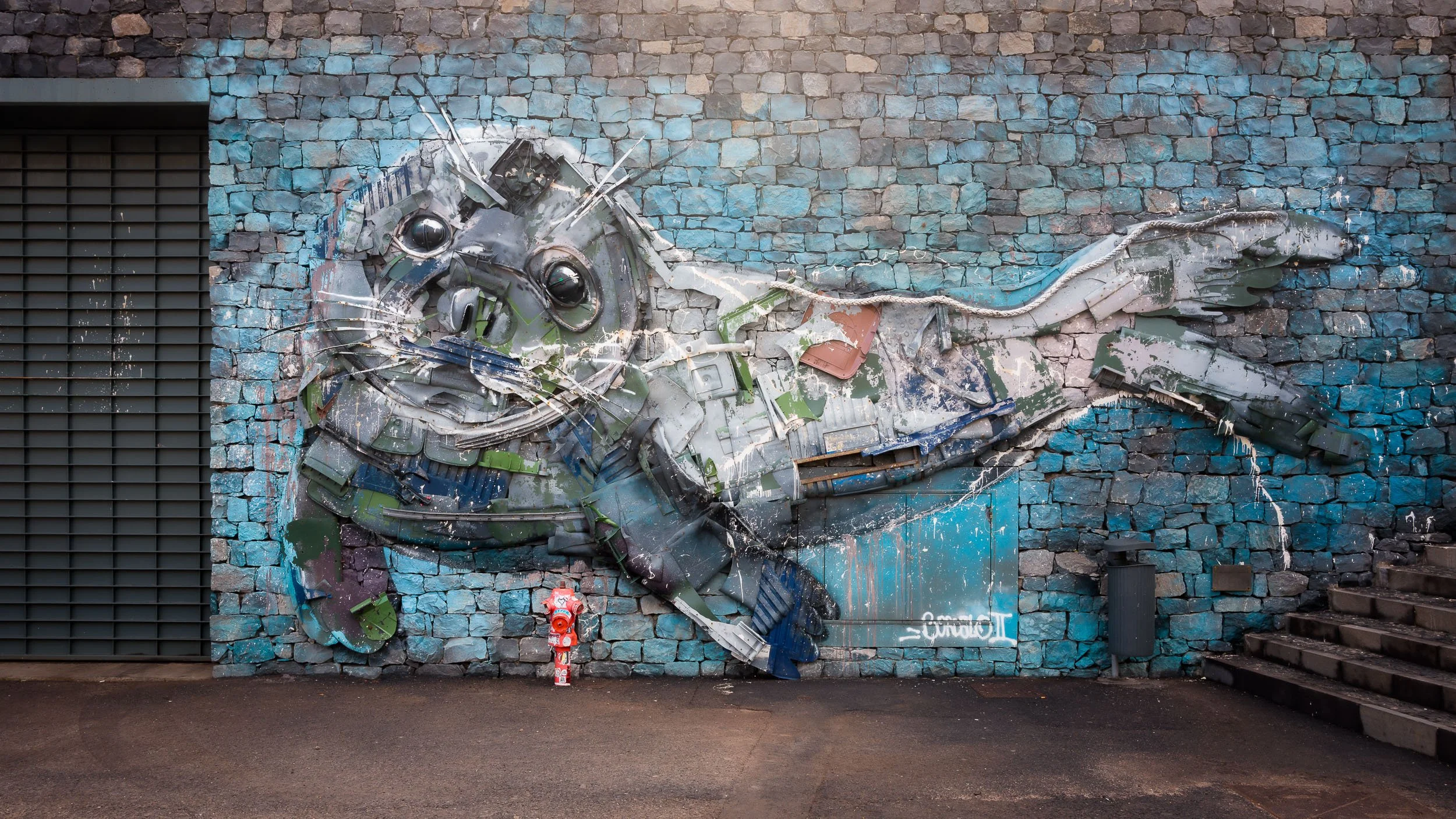
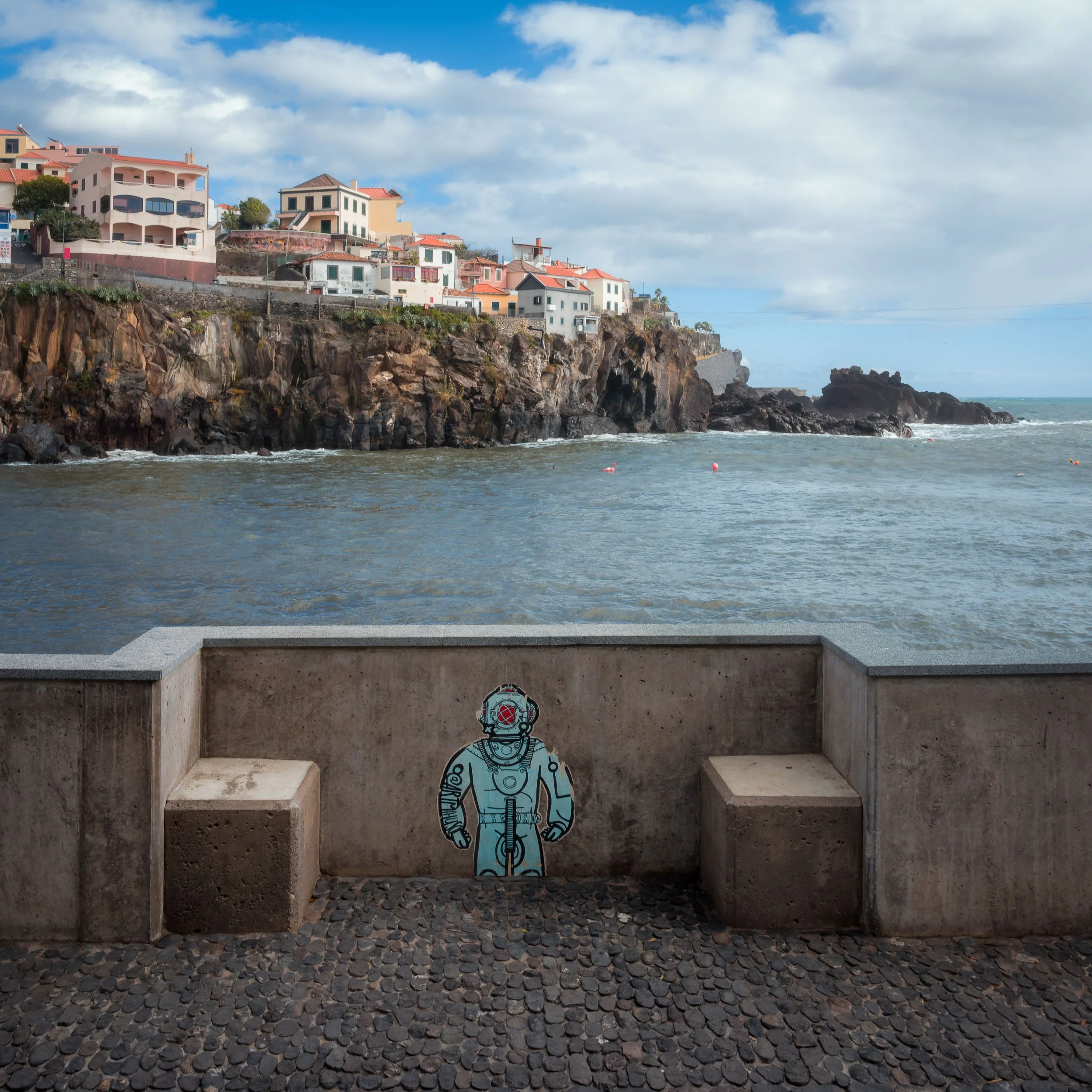
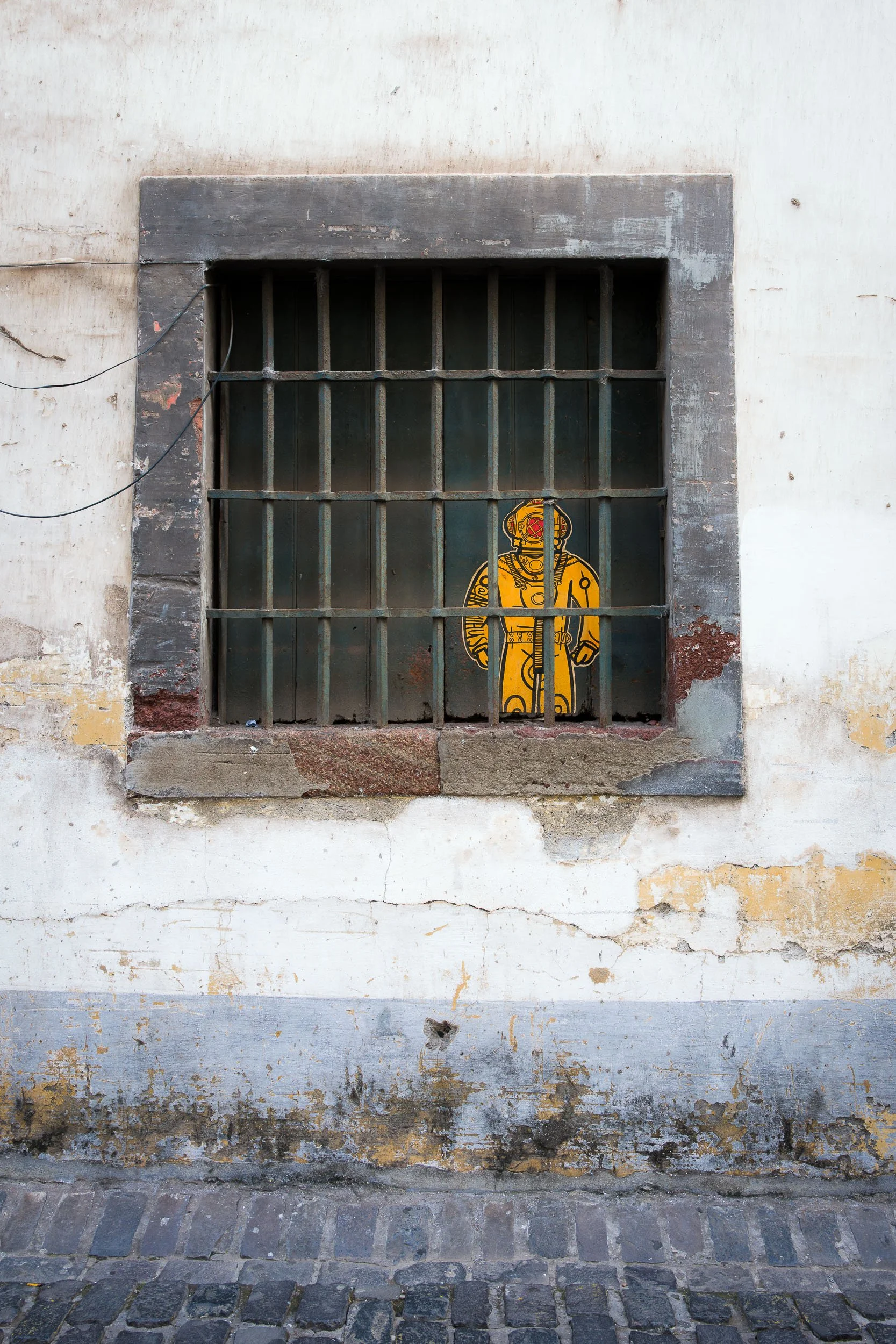
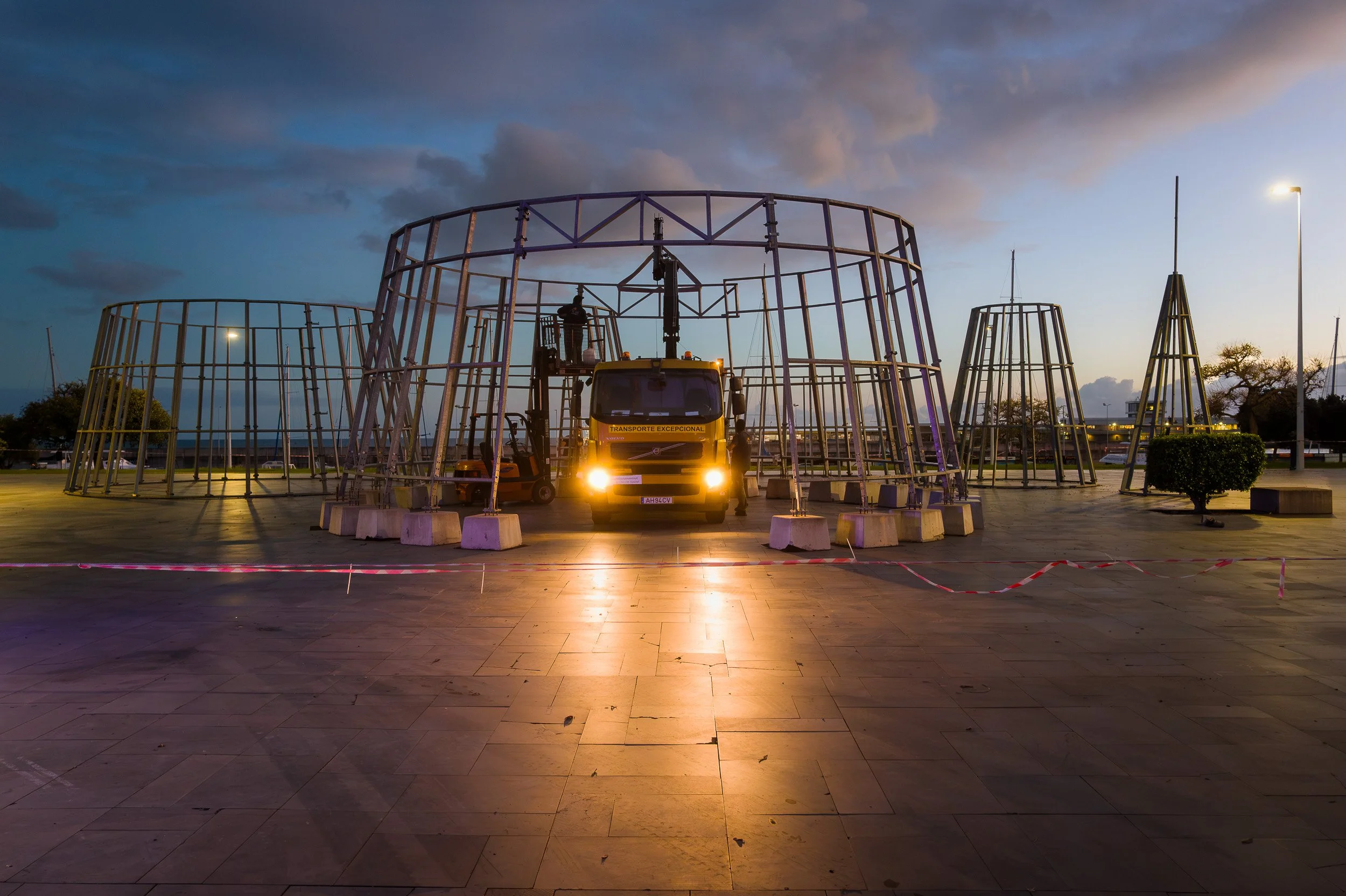
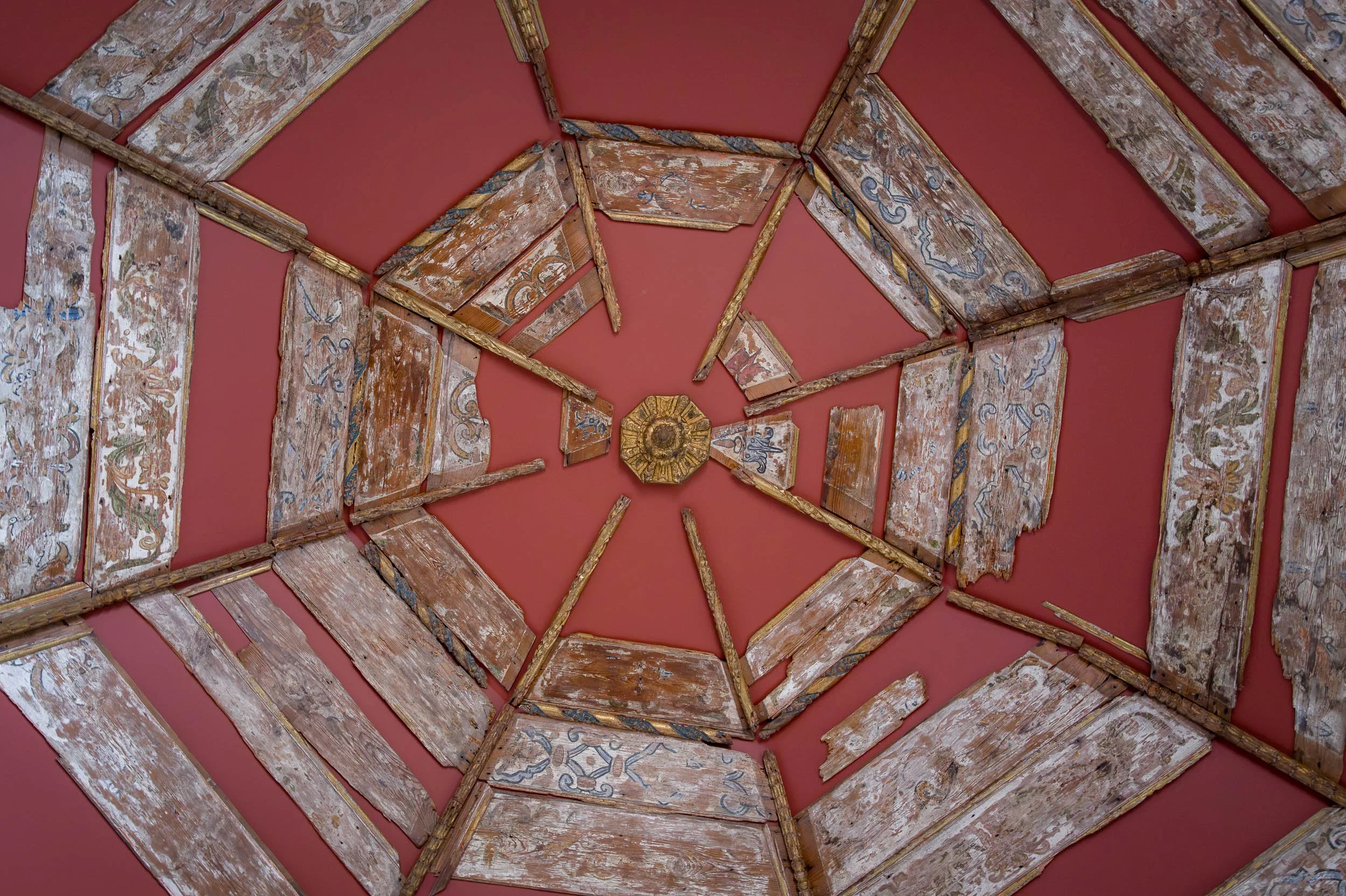
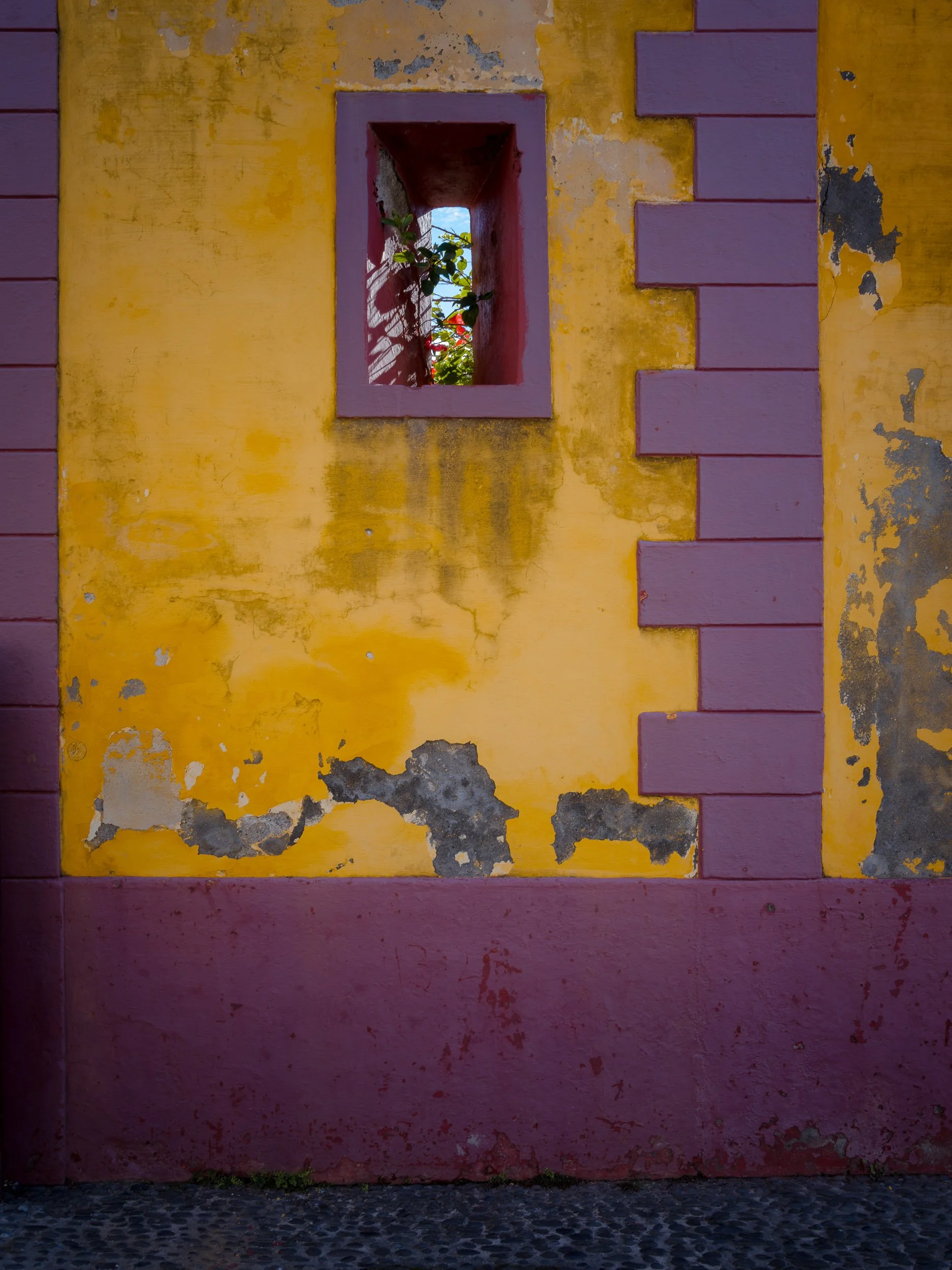
As with Rhodes, the details and smaller scenes are as informative and rewarding as the larger vistas and often tell as much of a story. I find that these details provide more clues about how spaces are used and occupied between the tourist visits. Graffiti, community art, flaking paintwork or the details that are preserved or highlighted for display help develop a better understanding of how the local population inhabits and shapes its home.
Calçada de Santa Clara
Leica Q3 | 28mm f/5.0 1/50s ISO 500
Conclusions / Photography Bit
This is the second trip I’ve done in quick succession with the Q3. I’ve said before that the camera is an indulgence and while there’s no doubting its quality, describing it as worth every penny invites scepticism. That said, for a trip where photography is secondary to experience, it is incredibly capable. There were a couple of instances in the gardens where I might have wanted a longer lens, but these were few and far between. On the whole I surprised myself a little by how much I stayed at the native 28mm and how little I subsequently cropped. Food for thought…
The holiday itself was fantastic. Madeira was every bit as stunning as we remembered and despite a couple of shonky days with the weather, was much better than we’d feared. Being able to get out and about in t-shirt weather and in a beautiful environment was an absolute tonic…